The median sale price for a home in Irvine, CA sits around $1.5 million as of spring 2026. Buyers shopping at this price point expect a move-in-ready property that looks and feels like a model home from the moment they walk through the door.
Homes in the area currently average between 42 and 55 days on the market. Capturing an offer on the shorter end of that window requires a strong first impression both online and in person. Implementing targeted home staging tips Irvine, CA buyers respond to will help your listing stand out.
The Financial Impact of Preparing Your Property
Data from the National Association of Realtors consistently shows that staged homes sell faster than unstaged alternatives. A well-prepared property helps potential buyers visualize their own furniture and decor in the space. When buyers can easily picture themselves living there, they are more likely to submit higher offers.
Leaving a home vacant or cluttered often highlights minor flaws that distract from the property's best features. A professional stager or a real estate agent with design experience will use furniture placement to draw attention to natural light and functional layouts. This upfront effort translates directly into a smoother selling process and a stronger final sale price.
Matching Decor to Local Architectural Styles
Orange County features a distinct mix of housing types, and your interior design choices should complement the exterior architecture. Trying to force an ultra-modern aesthetic into a traditional build can create a disjointed experience during showings. Buyers prefer a cohesive look that flows naturally from the front door into the main living areas.
Tailoring your approach to the specific property type ensures you highlight the intended lifestyle of the space. Whether you own a detached house in Woodbridge or an attached unit in the Irvine Business Complex, the furniture and accessories should match the setting.
Mediterranean Single-Family Homes
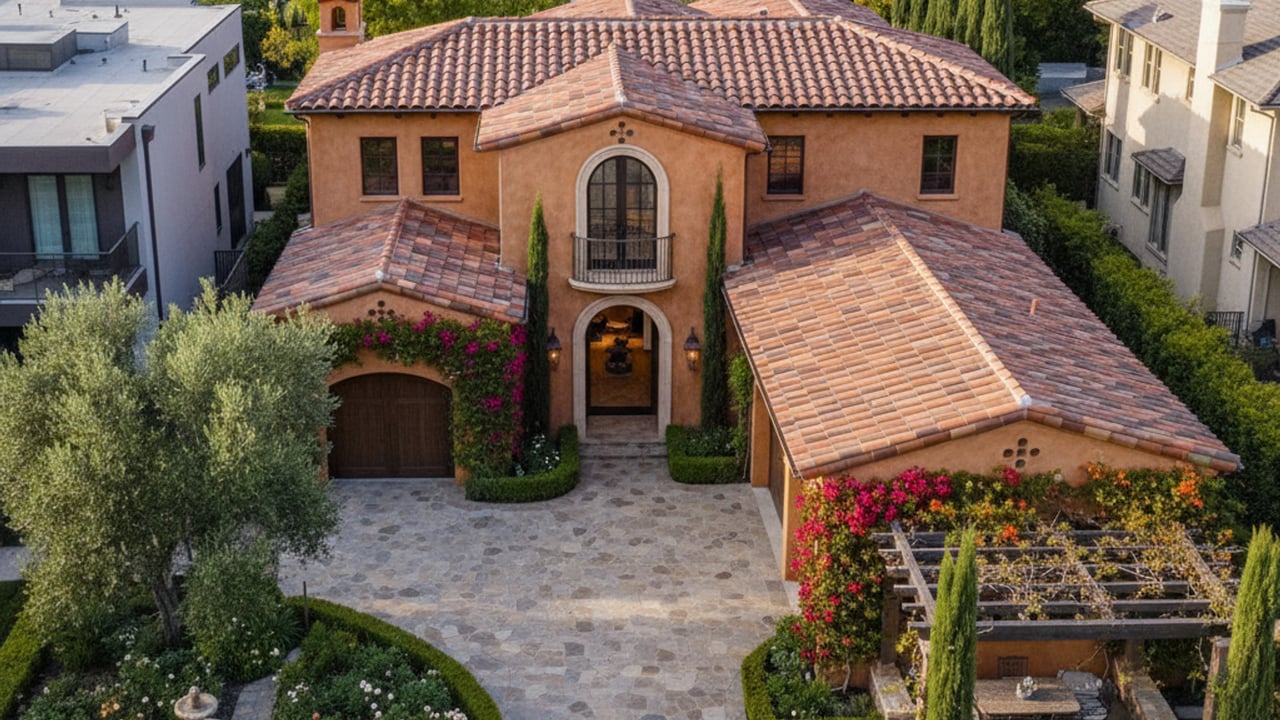
Many neighborhoods feature Mediterranean-inspired architecture with warm exteriors and tile roofs. You should echo this warmth inside by utilizing earthy tones, natural wood finishes, and plenty of natural light. Heavy drapes should be removed to keep the rooms feeling bright and open.
Contemporary Townhouses
Townhomes often feature vertical layouts where maximizing perceived space becomes the main priority. Using low-profile furniture and neutral color palettes helps these rooms feel more expansive. Glass or acrylic coffee tables also reduce visual weight, making a compact living area look much larger.
Luxury Condos
Condominiums near the city center attract buyers looking for low-maintenance, upscale living. Staging these units involves creating an inviting atmosphere with sleek, modern furnishings and minimalist art. The goal is to present a clean, sophisticated environment that feels like a high-end hotel suite.
Setting Up the Ideal Remote Workspace
A large portion of the local buyer pool works near major employment hubs like the Irvine Spectrum Center, UC Irvine, or the Irvine Business Complex. Even with easy access to these offices, hybrid work schedules remain the norm in 2026. Buyers actively look for a dedicated space to handle video calls and daily tasks.
Converting a spare bedroom or an unused den into a functional home office adds immediate value to your listing. You should remove excess clutter, oversized guest beds, and personal family photos from these secondary rooms. A simple desk, a comfortable chair, and a neat bookshelf easily communicate the room's utility.
Highlighting Patios and Yards
Outdoor amenities serve as a major selling point in the Southern California real estate market. Buyers expect to use their patios, balconies, and backyards year-round. If your outdoor areas look neglected, buyers will factor the cost of landscaping into their offers.
Start by cleaning up the existing landscaping, power-washing concrete, and repairing any damaged fences. Arrange patio furniture to create distinct zones for dining or lounging, which helps buyers envision entertaining guests. Adding a bowl of fresh fruit or bright flowers to an outdoor dining table brings color and life to the space.
Clearing Space and Furniture Placement Rules
The foundation of any good staging strategy begins with packing away everyday items. Countertops, tables, and shelves should be mostly clear to let the home's architecture take center stage. Professional photography demands a clean, distraction-free environment to generate interest online.
Proper spacing is just as important as removing excess items. You should arrange seating areas to encourage conversation while leaving clear pathways between rooms. If a buyer has to turn sideways to walk past a sofa, the room will automatically feel too small.
Applying the 3-Foot 5-Foot Rule
Professional designers often rely on specific measurements to maintain a comfortable flow. The 3-foot 5-foot rule dictates leaving three feet of walking space around major pieces of furniture and five feet of clearance in main hallways. This ensures buyers can walk through the property comfortably during an open house.
You may need to rent a storage unit to hold oversized couches or extra chairs while the home is on the market. Removing bulky pieces instantly makes the property look larger and more inviting.
Budgeting for Professional Setup Services
The cost of preparing a residential property for sale varies based on the size of the home and the level of service required. Some sellers only need an initial consultation to get advice on using their existing pieces. Others require a staging company to furnish a completely vacant property from top to bottom.
In California, the general cost to fully stage a vacant 2,000-square-foot home ranges from $2,000 to $5,000 or more for the first month. This fee typically covers the design plan, furniture rental, delivery, and setup. While this represents a notable upfront expense, the investment routinely pays off through a quicker sale and stronger offers.
You should consult with your real estate group to determine the best approach for your specific situation. Many agents include a basic staging consultation as part of their listing package. They can help you decide if bringing in rented furniture will yield a positive return based on current neighborhood comps.
Frequently Asked Questions
What is the 3 foot 5 foot rule in staging a home?
This guideline ensures easy movement during showings by maintaining specific distances between objects. You should leave at least 36 inches of walking room around tables or sofas, and 60 inches for primary walkways. Adhering to these measurements prevents rooms from feeling cramped when multiple buyers tour the house at the same time.
How much does it cost to stage a 2000 square foot house in California?
Homeowners can expect to pay between $2,000 and $5,000 to furnish a vacant house of this size. The final price depends on the quality of the rented items and the duration of the contract. Soft staging, which only involves adding art and small decor to an occupied house, costs considerably less.
Can you stage a home while still living in it?
Yes, occupied staging focuses on decluttering and optimizing the items you already own. A professional stager will help rearrange your current layout and suggest packing away personal collections. You will just need to keep the property tidy and leave the premises whenever an agent schedules a showing.