Orange County real estate requires a strategic approach, and Irvine stands out as one of the most meticulously structured markets in Southern California. As we move through the spring of 2026, buyers and renters are looking closely at how this master-planned city balances high property values with extensive local infrastructure. Understanding the nuances of this market is crucial for making a sound investment.
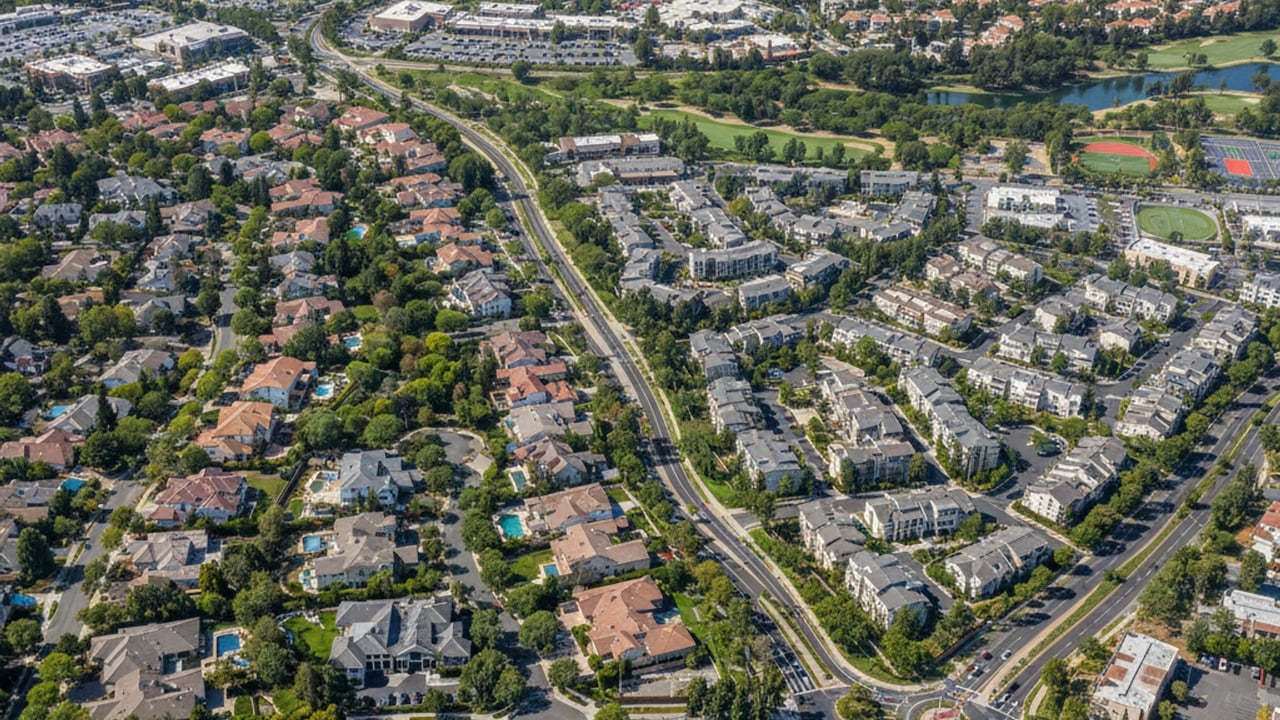
The city operates on a unique framework of distinct residential villages, each built with centralized commercial and recreational amenities. This deliberate design impacts everything from daily commute times to long-term property appreciation. Evaluating the current housing inventory and local tax structures will help you determine exactly where to focus your property search.
Situated directly in the center of Orange County, Irvine functions as a major economic and residential hub for Southern California. The city was incorporated in 1971 and developed from the ground up with a strict master plan. This level of organization dictates road layouts, commercial zoning, and the exact placement of residential tracts.
Instead of a traditional downtown core, the city relies on a network of distinct residential sectors known as villages. Each village is designed to contain its own essential services, minimizing the need to cross the city for basic errands. This structured layout is the primary reason Irvine property values maintain such strong resilience during broader market fluctuations.
Buyers often find that the strict zoning and architectural regulations initially feel restrictive, but these exact controls are what protect property values over the long term. Investing in a highly regulated environment ensures that neighboring properties will not fall into disrepair or undergo unapproved, value-damaging modifications.
The village system divides the city into more than two dozen specific areas, each anchored by centralized commercial centers. Residents typically have immediate access to dedicated grocery stores, public parks, and recreational facilities within their specific village boundaries. This localized design significantly reduces inner-city traffic and streamlines daily logistics.
Because each village operates almost self-sufficiently, the specific location you choose will dictate your daily routine. Connecting roads and expansive bike paths link these villages together, but the core design encourages residents to utilize the amenities closest to their homes.
The 2026 housing market in Irvine remains highly competitive, characterized by high demand and meticulously maintained inventory. Current median home prices range from approximately $1,500,000 to $1,720,000 across the city. For those looking to lease, average monthly rents currently sit between $3,300 and $3,500, depending on the village and property size.
Inventory levels remain tight this year, with homes typically selling in about 42 to 47 days. Buyers must enter the market with fully underwritten pre-approvals and a clear understanding of their maximum purchasing power. Sellers currently hold the advantage, meaning aggressive pricing strategies often result in multiple offers within the first few weeks of listing.
Navigating a seller's market at this price point requires buyers to prioritize location over cosmetic upgrades. Purchasing an older property in a premium village offers better long-term equity growth than buying a fully renovated home in a less centralized location.
Purchasing property here almost always involves additional carrying costs beyond the standard mortgage and property taxes. Homeowner association fees are standard across the city, with single-family home dues ranging from $125 to $350 per month. Condo and townhome owners typically see higher monthly HOA fees, often ranging from $250 to over $450 to cover exterior maintenance and shared amenities.
Buyers must also factor in Mello-Roos taxes, which are special assessments used to fund local infrastructure like roads and schools. These annual assessments can range from $0 in older, established neighborhoods to more than $4,000 annually in newer developments. Lenders will calculate these combined costs into your debt-to-income ratio, which directly impacts your total loan qualification amount.
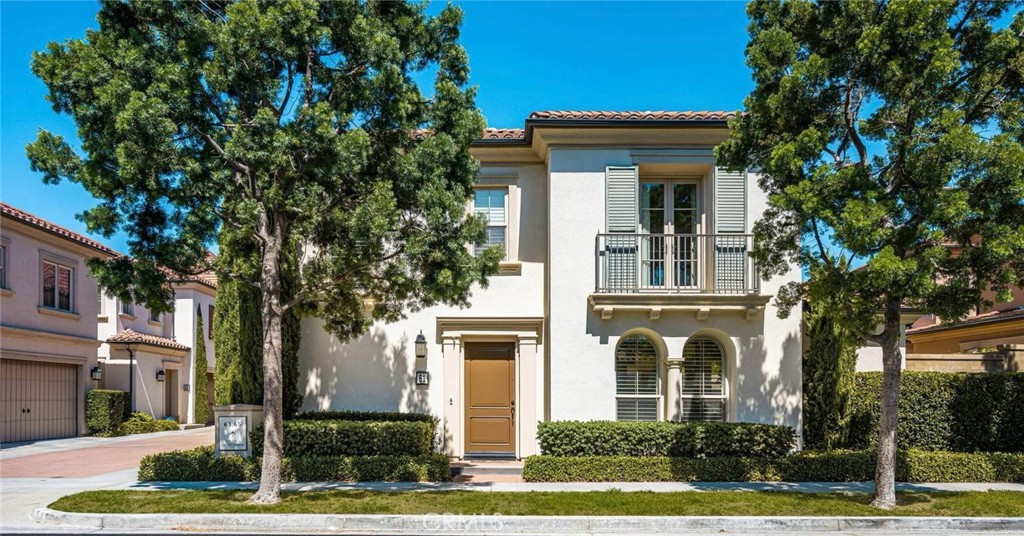
The variety of property types across the city ensures options for different investment strategies, from entry-level condos to expansive luxury estates. Property age and specific village location are the two largest factors dictating price points. Older villages tend to feature larger lot sizes and mature landscaping, while newer developments prioritize modern floor plans and high-density attached housing.
Buyers must weigh the benefits of expansive single-family homes against the lower maintenance requirements of townhomes and condominiums. Each village carries a distinct architectural theme, meaning the visual aesthetic of the neighborhood is strictly maintained. The specific amenities available, such as Olympic-sized pools or private tennis courts, also vary heavily from one village to the next.
When evaluating these villages, investors should heavily target areas with low or no Mello-Roos taxes. The monthly savings from avoiding these special assessments can significantly increase a buyer's purchasing power, allowing for a higher initial purchase price.
Turtle Rock stands as a premium hillside village in the southern portion of the city, known for its expansive views and custom estates. The median home price in this established neighborhood is approximately $2,400,000 in 2026. Properties here often feature larger footprints and extensive privacy compared to the newer, higher-density tracts.
One of the most significant financial advantages of purchasing in Turtle Rock is the absence of Mello-Roos taxes. Because the infrastructure was funded and completed decades ago, buyers only need to account for standard property taxes and localized HOA dues.
Northwood offers a distinct contrast to the hillside estates, providing a balanced mix of single-family homes and attached properties in the northern sector of the city. The market pace here is highly active, as the variety of housing types presents entry points for a wider range of budgets.
Pricing in Northwood remains slightly more accessible than premium villages like Turtle Rock, though demand keeps inventory moving quickly. The area features mature eucalyptus windbreaks and extensive community parks, maintaining the strict aesthetic standards expected across the city.
The educational infrastructure in the city is a primary driver of real estate demand and property retention. The Irvine Unified School District operates a vast network of facilities, including numerous elementary, middle, and high schools. These campuses are geographically mapped to correspond directly with the boundaries of specific master-planned villages.
This strict zoning means that a property's street address dictates exactly which educational facilities are assigned to that home. Because the district boundaries are so rigid, homes located within the zones of highly rated facilities often command a premium on the open market. Buyers frequently center their entire property search around specific school boundaries.
Proximity to these major educational facilities creates a baseline of demand that insulates property values against market downturns. Homes located within walking distance of these campuses consistently show lower days on market and higher resale values compared to properties located on the outer edges of the city.
The University of California, Irvine serves as a major research institution and one of the largest employers in the region. The campus occupies a massive footprint in the southern portion of the city, driving significant economic activity and infrastructure development. Several local community colleges also contribute to the robust educational framework of the area.
The constant influx of students, faculty, and university staff creates a highly reliable local rental market. Investors frequently target condos and townhomes near the university sector to capitalize on this consistent demand for housing.
The recreational facilities available to residents are extensive and meticulously maintained by both the city and local homeowner associations. The Orange County Great Park serves as the centerpiece of this infrastructure, offering hundreds of acres of sports fields, specialized courts, and exhibition spaces. This massive development has shifted the recreational focus of the city toward its eastern edge.
Beyond the Great Park, the city maintains major green spaces like William R. Mason Regional Park and an impressive network of dedicated bike lanes. These paths connect the various master-planned villages, allowing residents to navigate the city without relying entirely on major roadways. The integration of nature into the urban grid is a foundational element of the city plan.
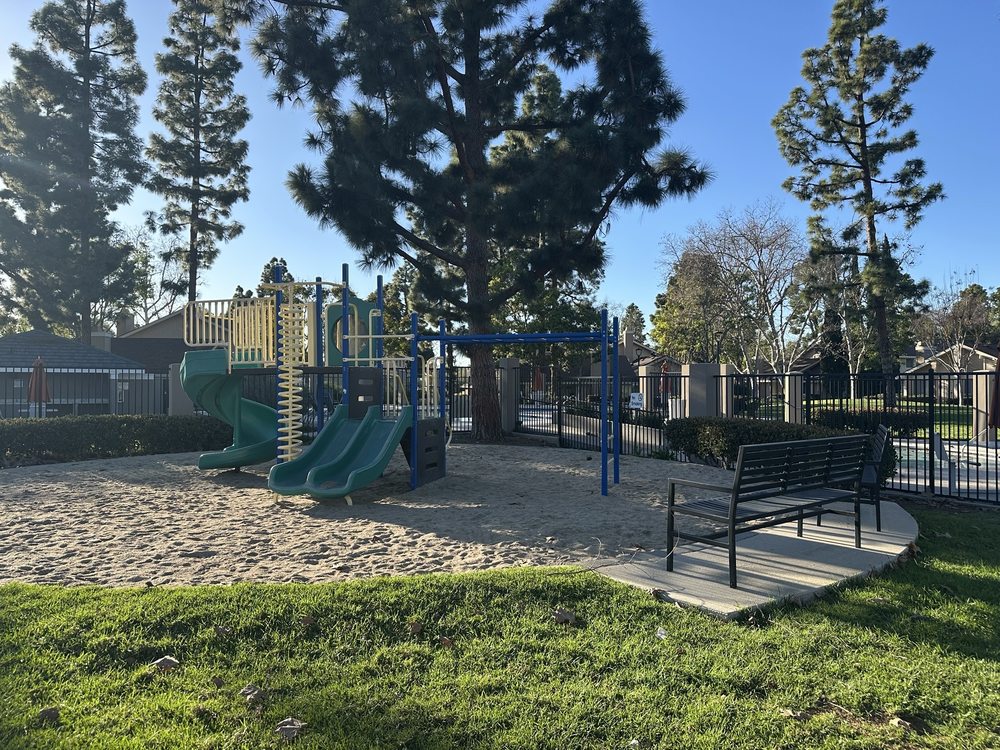
While the mandatory HOA fees across the city can seem steep, the centralized access to these resort-style amenities easily offsets the cost. Maintaining private pools, tennis courts, and extensive landscaping independently would far exceed the monthly dues charged by the village associations.
The Irvine Spectrum Center operates as the primary commercial and entertainment hub for the region. This massive outdoor retail destination features hundreds of stores, diverse dining options, and large-scale entertainment venues. Its design mirrors the organized aesthetic of the surrounding residential tracts.
Located at the intersection of major transport corridors, the center is easily accessible from nearly every village in the city. The proximity of this commercial hub to high-density residential areas provides residents with immediate access to premium retail without leaving the city limits.
The local economy is anchored by a massive concentration of corporate headquarters, technology firms, and medical research facilities. Major employers like Blizzard Entertainment, alongside numerous aerospace and biomedical companies, operate out of the expansive commercial parks located near the center of the city. This corporate presence provides a stable economic base that directly supports local housing demand.
The strict zoning separates heavy commercial activity from residential villages, contributing to the orderly environment. This objective data is frequently cited by corporate relocation departments when transferring employees to the region.
The sheer volume of high-paying jobs located directly within the city limits effectively eliminates the necessity for long-distance commuting. Purchasing a home near your employer in this market reclaims hundreds of hours per year that would otherwise be spent navigating regional highway traffic.
The city is highly integrated into the broader Southern California transit grid, bordered by major highways including the I-405, the I-5, and the 73 toll road. These arteries provide direct routes to neighboring employment hubs in Orange County and Los Angeles. Average commute times vary heavily based on departure times, but the localized infrastructure helps manage peak traffic flow.
Residents benefit from immediate access to John Wayne Airport, located just on the western edge of the city. This proximity provides convenient domestic and international travel options without the logistical challenges of navigating to larger regional airports.
The cost of living here is significantly higher than national averages, driven primarily by housing expenses. In 2026, median home prices hover around $1,600,000, and utility costs reflect the premium Southern California market. However, the strong local job market and high median household incomes help offset these elevated daily expenses.
Monthly dues generally cover the maintenance of centralized amenities like Olympic-sized swimming pools, tennis courts, and neighborhood parks. In attached housing like condos and townhomes, these fees also pay for exterior building maintenance, roof repairs, and shared landscaping. These dues ensure the strict architectural and aesthetic standards of the village are consistently upheld.
The primary advantages include meticulous city planning, robust local employment, and access to highly rated educational facilities. The main drawbacks are the high barrier to entry for real estate, strict homeowner association rules, and additional tax burdens like Mello-Roos assessments. Buyers must decide if the structured environment is worth the premium price tag.
308,160 people live in Irvine, CA Neighborhood Guide, where the median age is 33.9 and the average individual income is $62,149. Data provided by the U.S. Census Bureau.
Total Population
Median Age
Population Density Population Density This is the number of people per square mile in a neighborhood.
Average individual Income
There's plenty to do around Irvine, CA Neighborhood Guide, including shopping, dining, nightlife, parks, and more. Data provided by Walk Score and Yelp.
Explore popular things to do in the area, including Sand Canyon Plaza, Eva Bookstore, and Honolua Surf.
| Name | Category | Distance | Reviews |
Ratings by
Yelp
|
|---|---|---|---|---|
| Shopping | 0.77 miles | 5 reviews | 3.6/5 stars | |
| Shopping | 0.93 miles | 0 reviews | 0/5 stars | |
| Shopping | 1.25 miles | 3 reviews | 1.7/5 stars | |
| Shopping | 1.39 miles | 2 reviews | 3.5/5 stars | |
| Active | 0.37 miles | 0 reviews | 0/5 stars | |
| Active | 0.39 miles | 0 reviews | 0/5 stars | |
| Active | 0.77 miles | 0 reviews | 0/5 stars | |
| Active | 0.8 miles | 0 reviews | 0/5 stars | |
| Active | 0.88 miles | 1 review | 2/5 stars | |
| Active | 1.09 miles | 5 reviews | 4.4/5 stars | |
| Active | 1.15 miles | 1 review | 1/5 stars | |
| Active | 1.18 miles | 0 reviews | 0/5 stars | |
| Active | 1.19 miles | 2 reviews | 2/5 stars | |
| Active | 1.29 miles | 0 reviews | 0/5 stars | |
| Active | 1.36 miles | 0 reviews | 0/5 stars | |
| Active | 1.44 miles | 2 reviews | 5/5 stars | |
| Beauty | 1.02 miles | 1 review | 5/5 stars | |
| Beauty | 1.15 miles | 11 reviews | 4.9/5 stars | |
| Beauty | 1.15 miles | 0 reviews | 0/5 stars | |
| Beauty | 1.16 miles | 0 reviews | 0/5 stars | |
| Beauty | 1.17 miles | 13 reviews | 1/5 stars | |
| Beauty | 1.24 miles | 2 reviews | 3/5 stars | |
| Beauty | 1.31 miles | 0 reviews | 0/5 stars | |
|
|
||||
|
|
||||
|
|
||||
|
|
||||
|
|
||||
|
|
Irvine, CA Neighborhood Guide has 111,979 households, with an average household size of 2.65. Data provided by the U.S. Census Bureau. Here’s what the people living in Irvine, CA Neighborhood Guide do for work — and how long it takes them to get there. Data provided by the U.S. Census Bureau. 308,160 people call Irvine, CA Neighborhood Guide home. The population density is 4,697 and the largest age group is Data provided by the U.S. Census Bureau.
Total Population
Population Density Population Density This is the number of people per square mile in a neighborhood.
Median Age
Men vs Women
Population by Age Group
0-9 Years
10-17 Years
18-24 Years
25-64 Years
65-74 Years
75+ Years
Education Level
Total Households
Average Household Size
Average individual Income
Households with Children
With Children:
Without Children:
Marital Status
Blue vs White Collar Workers
Blue Collar:
White Collar: