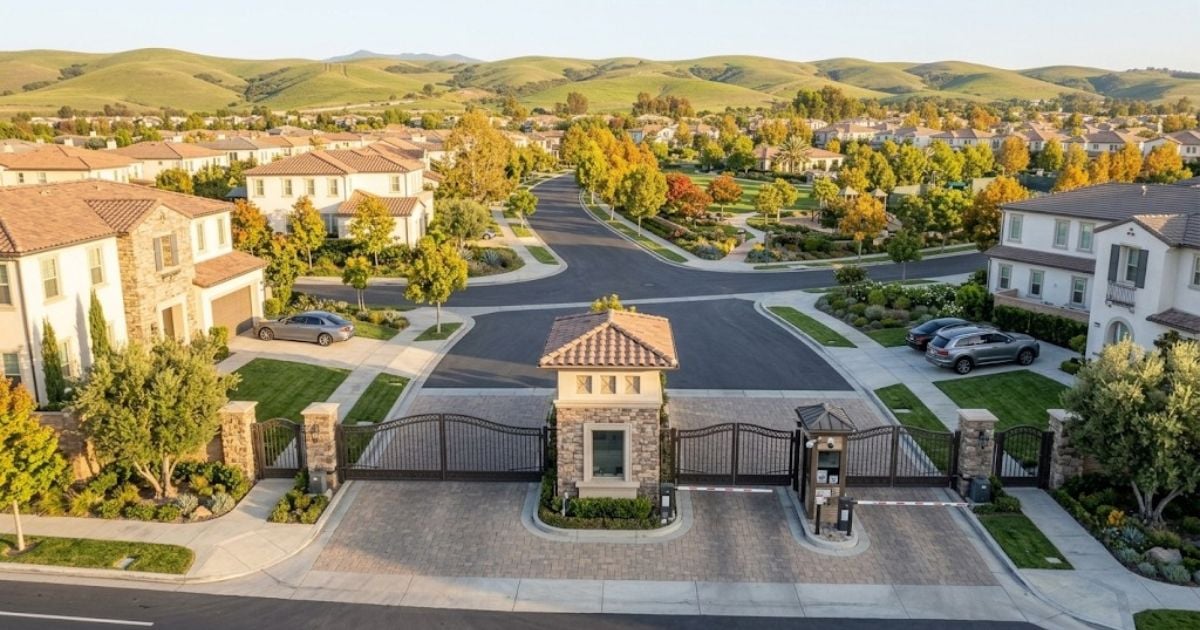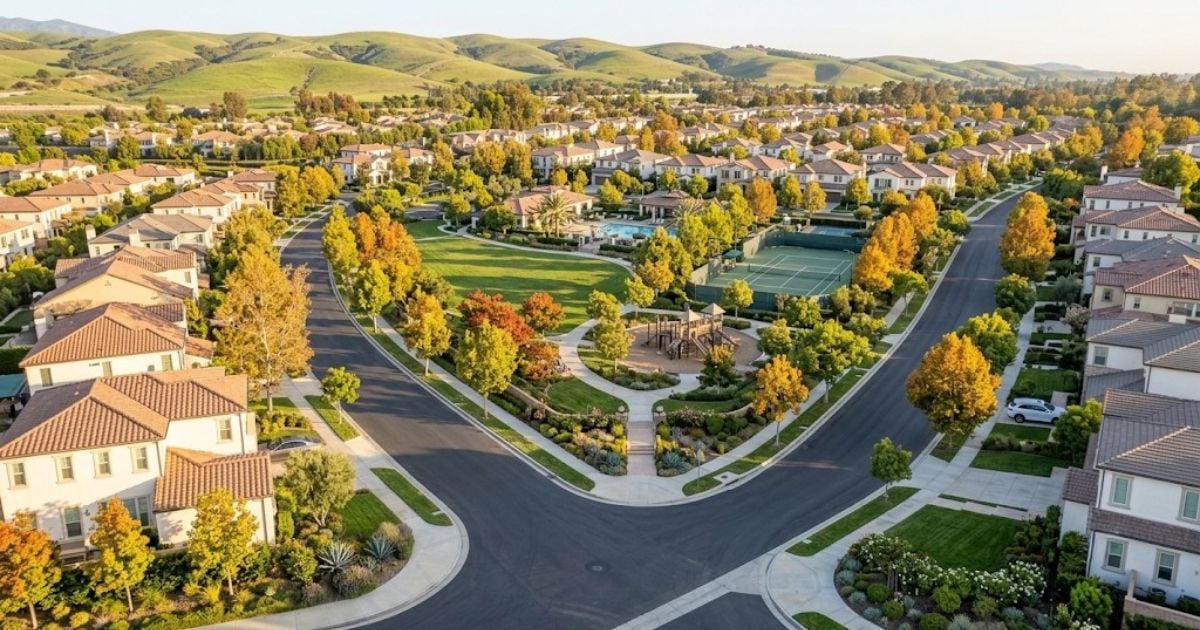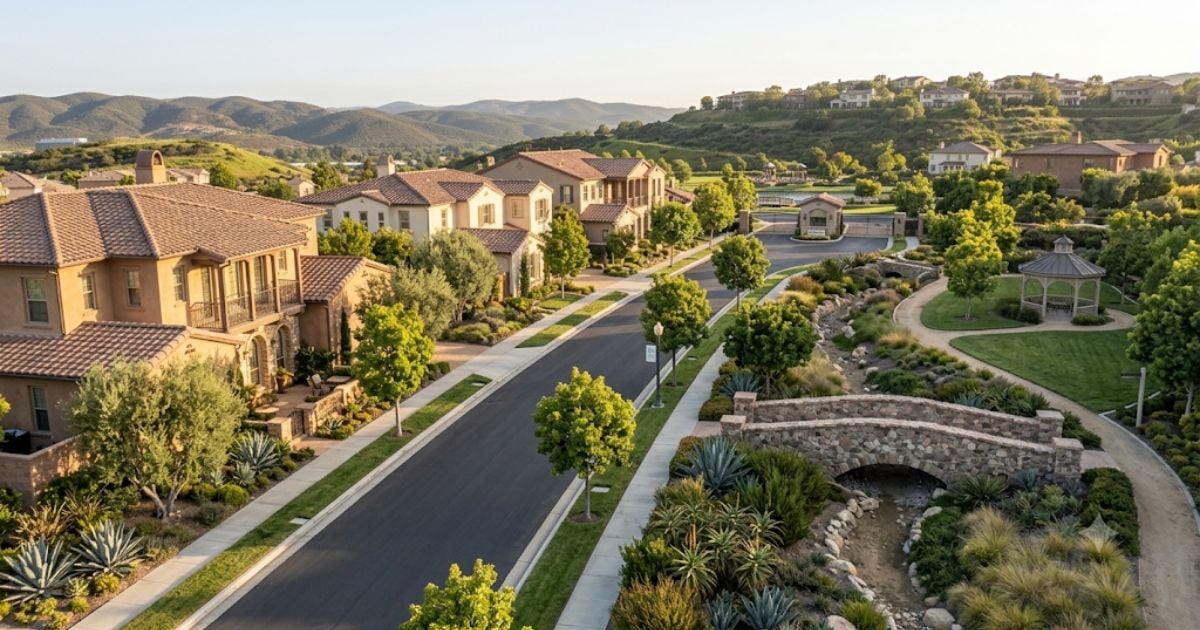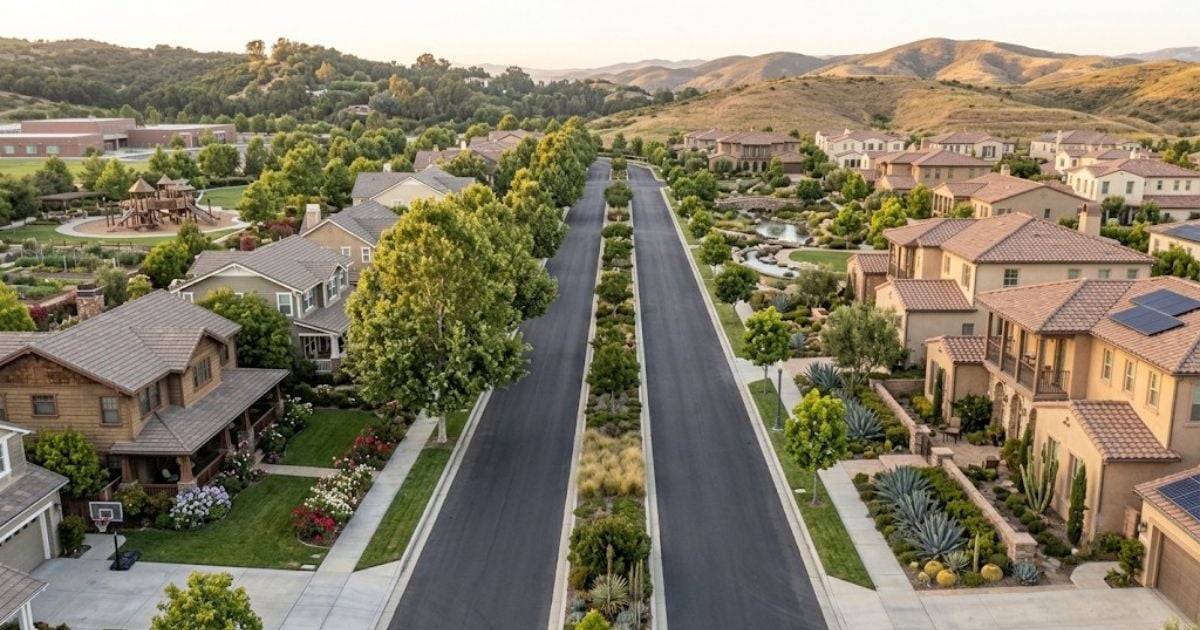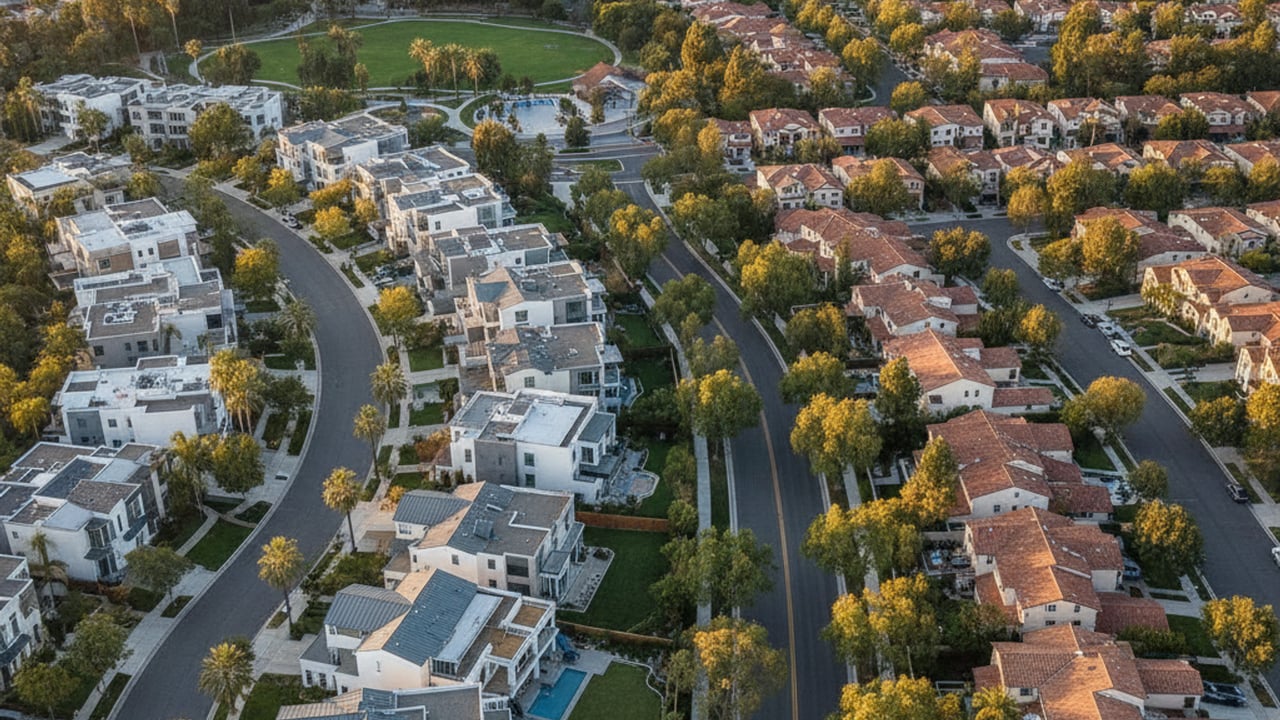
Buyers looking at the average cost of a home in Irvine, CA, will find a market where the median sale price sits around $1.54 million as of mid-2026. This master-planned city in Orange County maintains high property values due to its modern infrastructure and strong local economy. Working with the best real estate agent in Irvine helps buyers find the right property in this market.
While prices are steep, inventory has stabilized with roughly 4.6 months of supply and 744 active listings. Buyers should prepare for a landscape where homes stay on the market for about 48 days, giving them slightly more time to evaluate options than in previous years.
Current Irvine Housing Market Prices and Trends
The median sale price in Irvine currently hovers near $1,540,000, representing a slight 1.8% dip compared to last year. Homes sell for an average of $800 per square foot across all property types. Sellers generally receive about 98.1% of their asking price, and just over 21% of homes close above list.
Buyers have more choices right now, with 744 homes available for sale across the city. A typical listing accepts an offer in roughly 48 days. This pace allows buyers to conduct thorough inspections and finalize financing without rushing.
Market conditions vary slightly depending on the neighborhood and the condition of the home. Move-in ready properties command higher offers, while homes needing updates often require price reductions to attract buyers.
How Property Types Affect Irvine Home Prices
Nearly 32% of Irvine's homes were built after 2010. This concentration of newer construction pushes up the average price per square foot across the city. Buyers pay a premium for recent builds featuring modern floor plans and updated energy efficiency standards.
The style of the home also changes the purchase price. Detached houses carry higher price tags than attached units, reflecting the cost of land in Orange County. Buyers should weigh their budget against their desire for a private yard and exterior walls.
Single-Family Detached Properties
A standard single-family home in Irvine often prices well above the citywide median. Detached houses average around $878 per square foot. These properties typically feature three to five bedrooms and sit on lots ranging from 4,000 to 6,000 square feet.
The premium for a detached home reflects the privacy and outdoor space it provides. Buyers looking for standalone properties should concentrate their search on older villages or be prepared for higher price points in newer developments.
Townhomes and Condominiums
Attached living spaces offer a lower entry point into the Irvine market. Condos and townhomes average roughly $748 per square foot. These units form a large portion of the available inventory, giving buyers numerous options across the city.
Many attached units include private garages and small patios, providing a middle ground between apartment living and a detached house. Buyers should review the association rules regarding exterior maintenance and parking before making an offer.
Carrying Costs Beyond the Mortgage
A home's purchase price only tells part of the financial story in Irvine. Homeowners face ongoing monthly and annual expenses that affect their total carrying costs. Buyers should factor these recurring fees into their budgets early in the search process.
These expenses fall into three main categories: base county property taxes, special district assessments, and community association dues. The specific neighborhood you choose dictates exactly how much you will pay in addition to your mortgage principal and interest.
Base Property Taxes and Mello-Roos Assessments
The standard property tax rate in California is roughly 1% of the home's assessed value. In Irvine, many buyers also pay Mello-Roos taxes, which are special assessments used to fund public infrastructure like roads and schools. These bonds are typically repaid over 20 to 40 years.
Mello-Roos assessments appear on the annual tax bill and apply to most master-planned villages built after 1988, such as Great Park and Portola Springs. Buyers looking to avoid these extra taxes should focus on older areas like El Camino Real or University Park.
Association Fees in Master-Planned Villages
Almost every neighborhood in Irvine operates under a homeowners association. These monthly dues cover the maintenance of common areas, landscaping, and community amenities. Homeowners pay these fees regardless of whether they use the facilities.
The cost and scope of HOA amenities vary by village. Newer developments like Great Park feature evolving programming and modern recreation centers, which often come with higher monthly dues. Established neighborhoods like Woodbridge offer mature lakes and community pools at different price points.
Neighborhood Features That Drive Property Values
Location within the city directly influences how much a home costs. Irvine covers 66 square miles, and prices shift based on a property's zip code and surrounding infrastructure. Buyers pay a premium to live near specific community features.
Proximity to major roads, employment hubs, and specific school attendance boundaries are the primary factors that alter baseline housing values. Understanding these local dynamics helps buyers evaluate whether a listing is priced appropriately.
Proximity to Commuter Routes and Employment Centers
Homes located near major regional arteries often command higher prices due to the convenience they offer commuters. Irvine residents rely on Interstate 405, Interstate 5, and the 133 toll road to travel through Southern California. Properties with quick access to these routes save residents significant driving time.
The local job market also impacts property values. Neighborhoods close to the Irvine Spectrum Center and the Irvine Business Complex maintain strong demand from buyers who want short commutes to nearby corporate offices.
School Attendance Boundaries
The Irvine Unified School District boundaries play a major role in local real estate pricing. Homes zoned for specific public schools often see increased buyer interest and higher asking prices.
Buyers routinely monitor these attendance zones when choosing a property. School district maps can change, so buyers should verify the current zoning for any home they consider purchasing directly with the district office.
Frequently Asked Questions
What is the average cost of a home in Irvine, CA?
The median home price in Irvine sits at approximately $1,540,000 as of mid-2026. Buyers can expect to pay around $800 per square foot across all housing types. Attached townhomes offer a lower entry point, while large detached houses routinely exceed the citywide median.
What salary do you need to buy a home in Irvine, CA?
Purchasing a $1.54 million median-priced home typically requires a household income well over $250,000, depending on current mortgage rates and your down payment. Lenders generally prefer your total monthly housing payment to stay below 28% of your gross income. You will also need to account for local property taxes and HOA dues in that calculation.
Can I buy a house in Irvine for $500,000?
Finding a property for $500,000 in Irvine is rare in 2026. That price point falls far below the average $748 per square foot cost for condos and townhomes. Buyers with a $500,000 budget should look at neighboring cities or focus on smaller, older one-bedroom condos if they occasionally appear on the market.
Are there any neighborhoods in Irvine without Mello-Roos?
Yes, buyers can avoid Mello-Roos assessments by focusing on communities built before 1988. Neighborhoods like Northwood, University Park, and El Camino Real generally only require the standard 1% base property tax. Newer developments like Portola Springs will almost always include these special tax bonds.
How much are typical HOA dues in Irvine master-planned communities?
Monthly association fees in Irvine range from $100 to over $400 depending on the village and property type. Condominium owners usually pay higher dues because the association maintains the building's exterior and roof. Single-family homeowners pay lower fees that primarily cover neighborhood parks and community pools.
How much does Irvine Unified School District zoning affect home prices?
Being zoned for specific schools within the district can add a noticeable premium to a home's asking price. Buyers actively target neighborhoods with specific attendance boundaries, increasing competition and driving up final sale numbers. You should verify the current zoning lines directly with IUSD, as they occasionally shift.
What are the housing market trends and price forecasts for Irvine in 2026?
The 2026 market shows a slight 1.8% year-over-year dip in median prices, indicating a stabilization rather than a sharp decline. Inventory has increased to roughly 4.6 months of supply, giving buyers 744 active listings to choose from. Homes are sitting for an average of 48 days, allowing for standard inspection and financing contingencies.