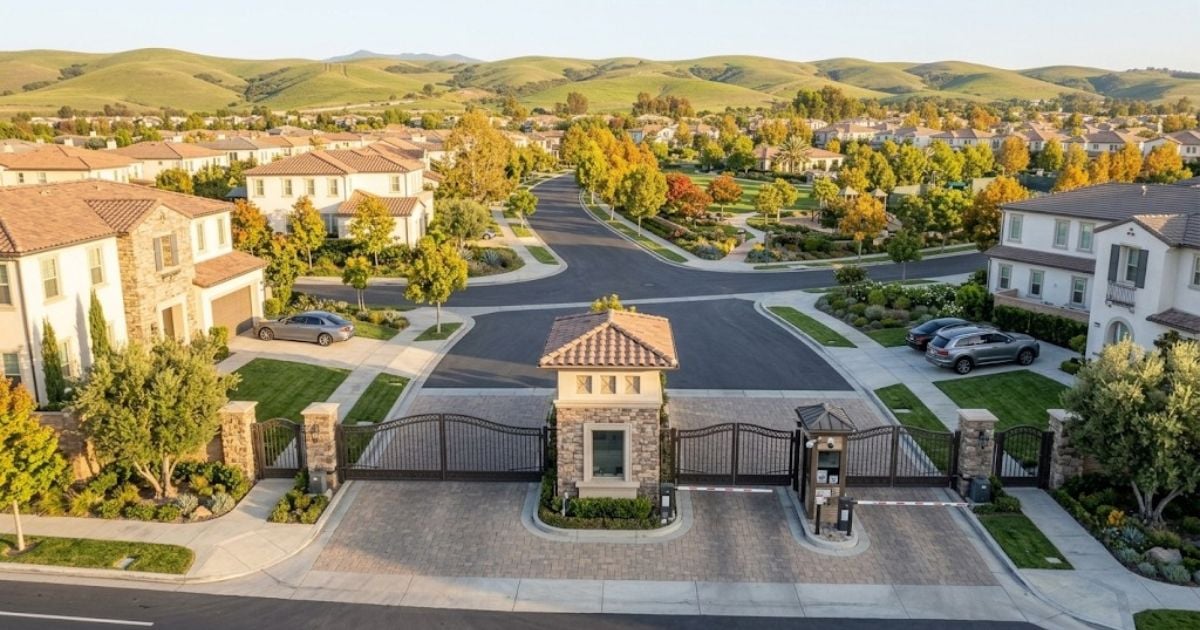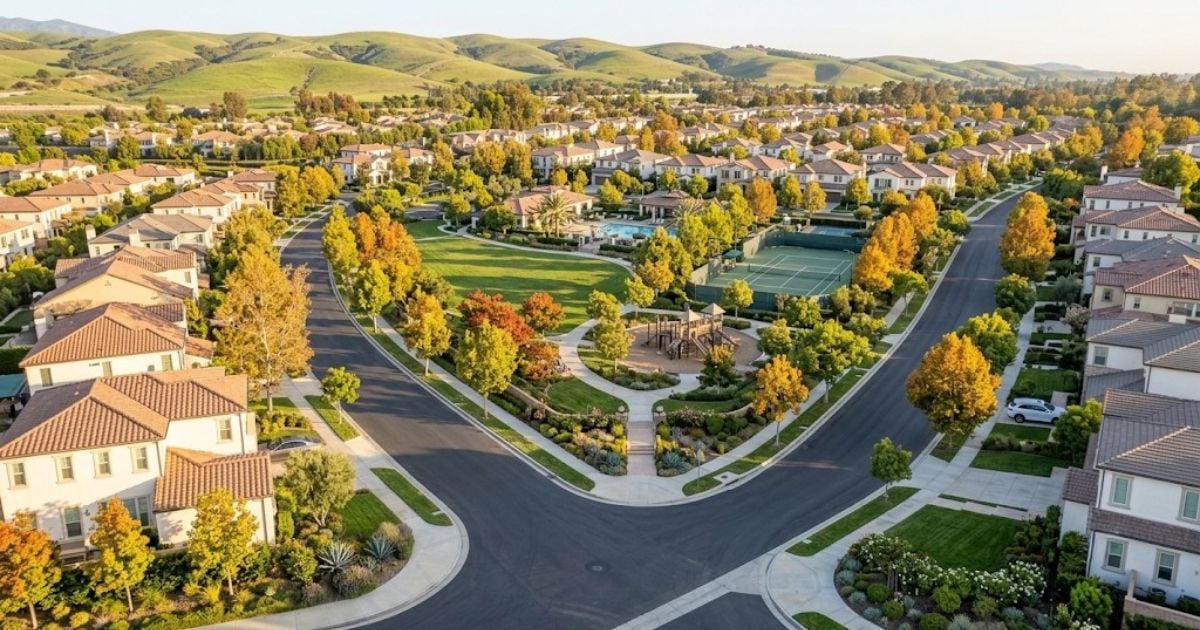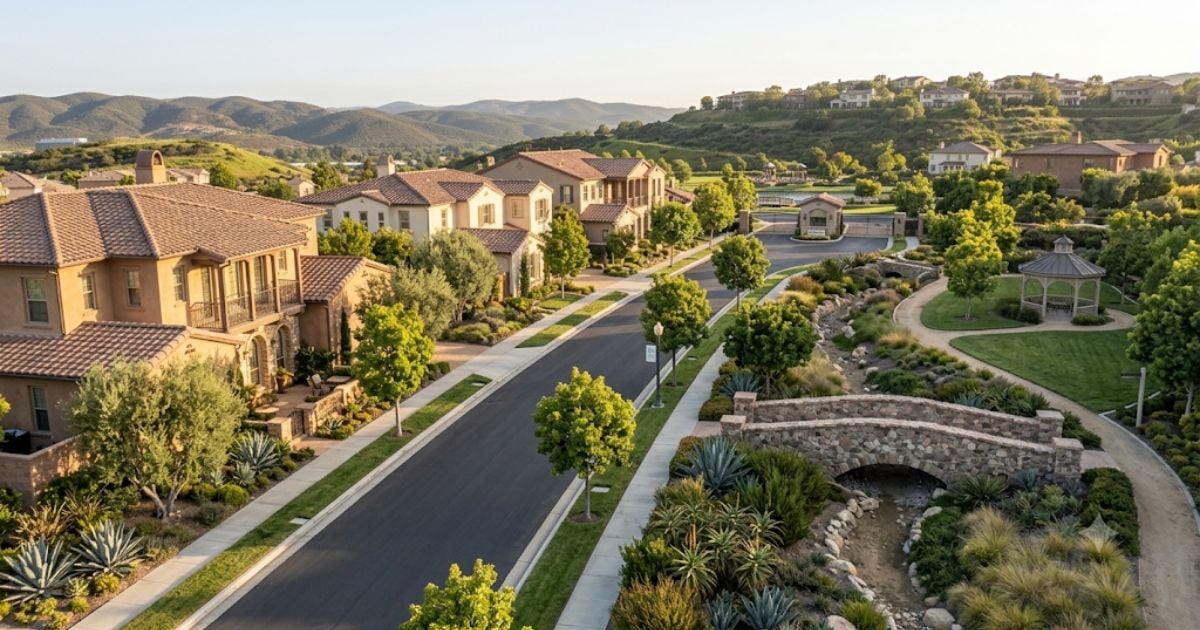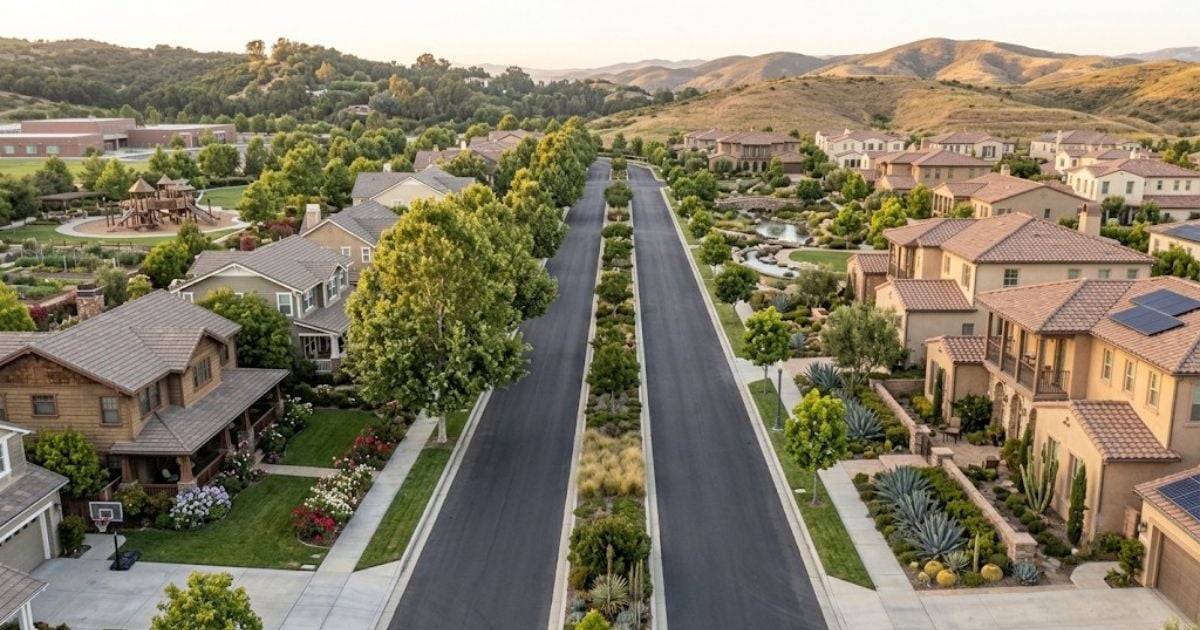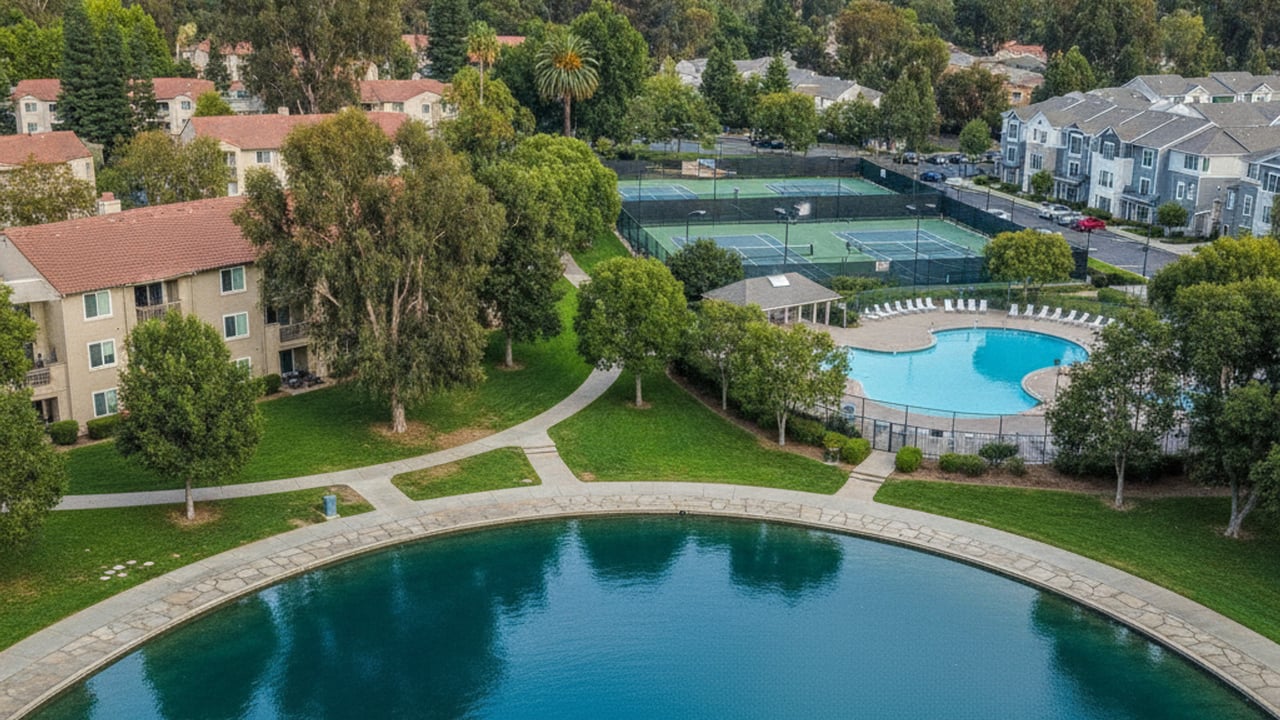
Irvine, CA, sits in the center of Orange County and commands some of the highest housing costs in Southern California. Renters looking to move here will find a market shaped by master-planned communities, extensive park systems, and major employment hubs. Those who eventually decide to purchase a property often start by finding the best real estate agent in Irvine, CA.
While buying a home here currently requires a median sale price of around $1,540,000, leasing offers a different entry point into the city. Budgeting for a move means looking closely at how prices shift based on property type, bedroom count, and the specific village you choose.
Current Rent Prices in Irvine
The median rent for all properties in the city sits at approximately $4,600 as of mid-2026. This figure blends luxury single-family homes with standard apartment complexes across the area.
When you separate the property types, the numbers look slightly different. The average apartment rents for about $3,237 a month, while single-family houses command a higher median of roughly $5,400. Renters should weigh the added space of a house against the higher utility and maintenance costs that typically come with it.
Monthly Costs by Bedroom Count
Space is the biggest driver of monthly lease amounts across the city. Renters should budget based on the specific footprint they need:
- Studios: $2,500 to $3,200
- One-Bedroom: $2,681 to $3,690
- Two-Bedroom: $3,500 to $4,561
- Three-Bedroom: $4,000 to $4,900
Properties with four or more bedrooms push well past the $5,000 mark depending on the specific neighborhood. Upgraded amenities and attached garages will also push a property toward the top of these pricing tiers.
Neighborhood Pricing Differences
Irvine is divided into distinct master-planned villages, and your monthly rate changes depending on which one you choose. The most expensive areas, such as Turtle Ridge and Shady Canyon, feature large estates and exclusive amenities. Rents in these luxury enclaves range from $4,000 to well over $9,000 a month.
Renters looking for more approachable rates should focus their search on villages like El Camino Real and Northwood. In these areas, you can find lease agreements ranging from $2,500 to $2,900. The trade-off often involves older construction or being slightly further from the main highway corridors.
Leasing in Woodbridge
Woodbridge is known for its two artificial lakes and extensive network of walking paths. Renters here have access to numerous community pools, tennis courts, and local shopping plazas.
Average rent in Woodbridge falls between $3,012 and $4,550. This range covers older apartment units as well as updated townhomes with attached garages.
Apartments Near Irvine Spectrum
The area surrounding the Irvine Spectrum Center offers a more urban, dense living environment. Residents are within walking distance of major retail stores, dining, and entertainment venues.
Expect to pay between $3,341 and $5,000 for an apartment in this neighborhood. The higher price tag reflects the newer construction of these mid-rise buildings and immediate access to the I-405 interchange for commuters.
University Town Center Rentals
University Town Center sits directly across from the University of California, Irvine. This location drives consistent demand from individuals working at or attending the university.
Monthly rates in this neighborhood average between $3,189 and $3,454. Because of the academic calendar, competition for available units peaks in the late summer months.
How Irvine Compares to National Costs
The national median rent in the United States currently hovers around $1,950. Leasing a home in Irvine requires a budget roughly 80% to 135% higher than that national benchmark.
Even within Southern California, Irvine sits at the upper end of the pricing spectrum. While neighboring Santa Ana offers lower average rates, coastal cities like Newport Beach push rents even higher. Renters moving from out of state should adjust their housing budgets accordingly before signing a lease.
What Drives Local Leasing Rates
Demand for housing in Irvine remains steady due to the concentration of major employers in the Irvine Business Complex. Commuters use the I-405 and CA-55 freeways to reach offices throughout Orange County, keeping vacancies low.
The local infrastructure also supports premium pricing. Residents have access to the San Joaquin Marsh Wildlife Sanctuary, the expansive Orange County Great Park, and top-rated campuses within the Irvine Unified School District. These features maintain strong interest in the local rental market year-round.
Frequently Asked Questions
What are the average rent costs for different apartment sizes in Irvine, CA?
Studio units typically cost between $2,500 and $3,200 per month. One-bedroom apartments average $2,681 to $3,690, while two-bedroom layouts run from $3,500 up to $4,561.
What salary do you need to safely afford rent in Irvine, CA?
Most landlords require your gross monthly income to be at least two and a half to three times the rent. To afford the median $4,600 lease, a household should earn roughly $138,000 to $165,000 annually.
Are rent prices currently dropping in Irvine, CA?
While the broader real estate market has seen slight adjustments, Irvine rental rates remain relatively stable in 2026 due to consistent demand. You might find minor seasonal dips or move-in specials during the slower winter months.
What are the most affordable neighborhoods to rent in Irvine, CA?
El Camino Real and Northwood generally offer the lowest entry points for renters. Leases in these villages frequently range from $2,500 to $2,900, depending on the age and size of the unit.
How much higher is rent in Irvine compared to the national average?
With the national median rent sitting around $1,950, Irvine is approximately 80% to 135% more expensive. Renters relocating from other states should prepare for this significant difference in monthly housing expenses.
Why is rent so expensive in Irvine, CA, compared to neighboring Orange County cities?
Master-planned amenities, top-rated schools, and proximity to major employment hubs sustain the higher costs. The local infrastructure, including extensive park systems and retail centers, drives consistent demand that outpaces surrounding towns.