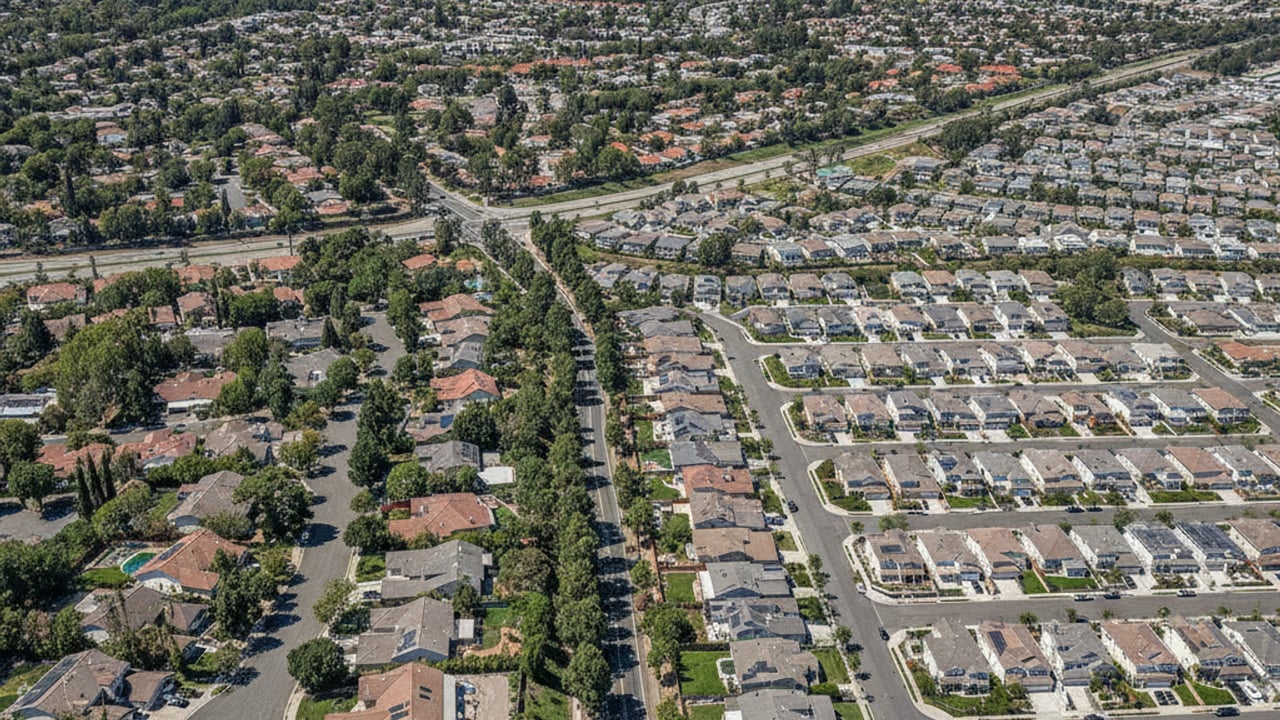
As of mid-2026, the median sale price for a home in Irvine, CA hovers around $1,540,000. When locking in a purchase at this price point with the best real estate agent in Irvine, CA, buyers need to factor in Orange County property taxes, which add a substantial amount to the monthly carrying costs of owning real estate.
Unlike states where taxes fluctuate wildly every year, California has a structured system that makes long-term budgeting easier. The specific neighborhood you choose in Irvine dictates your final tax rate, mostly due to local infrastructure bonds. Understanding how the county calculates and collects these funds helps buyers estimate their true monthly housing costs before making an offer.
How Orange County Calculates Your Tax Bill
Under the 1978 California Proposition 13, the base property tax rate is capped at 1 percent of a home's assessed value.
When you buy a house, the county resets the assessed value to your market value purchase price. If you buy an Irvine home for $1.5 million, your base tax calculation starts there. From that point forward, the county can only increase your home's assessed value by a maximum of 2 percent per year, assuming you do not add new construction like an accessory dwelling unit or a major room addition.
You will pay slightly more than the 1 percent base rate. Local voter-approved bonds for schools, water districts, and community colleges add fractional percentages to the bill. In older Irvine neighborhoods, these bonds typically bring the effective property tax rate to roughly 1.05 to 1.1 percent of the assessed value.
The Impact of Mello-Roos on Newer Villages
Properties in newer master-planned developments often carry effective tax rates between 1.4 and 2.1 percent due to Community Facilities District charges.
These extra assessments are commonly known as Mello-Roos taxes. They fund local infrastructure like roads, schools, parks, and fire stations in recently built areas. Neighborhoods like Great Park rely on Mello-Roos bonds to pay for their community amenities, which pushes the total property tax bill higher than in older parts of the city.
Mortgage lenders factor these charges into your debt-to-income ratio during the underwriting process. A higher tax rate reduces your maximum loan amount, so buyers should verify the specific rate for any newer property. Mello-Roos charges appear as a distinct line item on your annual secured property tax bill rather than a separate invoice.
Orange County Property Tax Calendar
The Orange County tax fiscal year runs from July 1 through June 30, and the treasurer-tax collector mails annual bills every October.
Homeowners pay this annual bill in two equal installments. You can pay the entire amount at once, but most residents split it to align with the county's schedule. If you use an escrow account, your mortgage servicer manages these deadlines for you and pays the county directly from your impound account.
Missing a deadline triggers an immediate 10 percent penalty on the unpaid amount. Continued non-payment eventually leads to a tax lien against the real property, complicating any future sale or refinance. The specific dates follow a set annual schedule:
- First installment: Due November 1 and becomes delinquent if not paid or postmarked by December 10.
- Second installment: Due February 1 and becomes delinquent if not paid or postmarked by April 10.
Supplemental Taxes for Recent Buyers
Most buyers receive one or two supplemental tax bills within their first year of homeownership.
A supplemental bill covers the gap between the previous owner's assessed value and your new, higher purchase price. Because the county assessor takes a few months to update the official tax roll after a sale closes, the standard October bill might still reflect the old, lower assessment. The county issues a supplemental invoice to catch up on the difference for the months you owned the home.
These bills arrive separately from the standard annual mailing. Mortgage servicers typically do not pay supplemental taxes out of your escrow account, as they only collect for the standard secured property tax bill. Buyers should plan to pay these invoices directly to the county to avoid late fees.
Estimated Annual Costs by Property Type
An Irvine home's age and location completely change the annual tax math, even for properties with similar market values.
Buyers looking at older condominiums might see lower baseline rates, while those purchasing in newer villages will pay a premium for local infrastructure. Before closing on any property, buyers should look up the exact parcel information on the Orange County Treasurer-Tax Collector website.
Here is how the annual costs compare based on typical Irvine housing prices and neighborhood types:
- Older Condominium ($900,000): At an estimated effective rate of 1.05 percent, the annual property tax bill is roughly $9,450.
- Newer Single-Family Home ($1,500,000): At an estimated effective rate of 1.8 percent with Mello-Roos included, the annual bill jumps to approximately $27,000.
Exemptions and Relief Programs
California offers a standard homeowner exemption that removes $7,000 from the assessed value of an owner-occupied primary residence.
This exemption reduces the annual tax bill by about $70, provided the home is not an investment property or a second home. Homeowners file a one-time claim form with the county assessor after moving in. The exemption remains in place for as long as you own and occupy the property.
Older homeowners have additional options under Proposition 19. This law allows residents over 55 to sell their current house and transfer their existing, lower property tax base to a new home anywhere in California. Additionally, if the broader real estate market dips and your home's market value falls below its current assessed value, you can file a tax assessment appeal to request a temporary reduction.
Frequently Asked Questions
How much are property taxes in Irvine, CA?
The base rate is 1 percent of the assessed value, but local bonds push the effective rate to around 1.05 to 1.1 percent in older neighborhoods. Newer developments with Mello-Roos assessments can see effective rates between 1.4 and 2.1 percent.
When are property taxes due in Irvine, CA?
The first installment is due November 1 and is delinquent after December 10. The second installment is due February 1 and is delinquent after April 10.
Can I pay my Orange County property taxes online?
Yes, the Orange County Treasurer-Tax Collector accepts online payments via eCheck or credit card. Paying with a credit card incurs a convenience fee, while eCheck payments drawn directly from a bank account are typically free.
What happens if I miss the property tax deadline in Irvine?
The county applies an immediate 10 percent penalty to the unpaid installment amount after the delinquent date passes. Unpaid unsecured property taxes or secured taxes can eventually result in a tax lien against your property.
What property tax exemptions are available in Irvine, CA?
The most common is the standard homeowner exemption, which lowers the assessed value of your primary residence by $7,000. Proposition 19 also allows eligible homeowners over 55 to transfer their existing tax base to a new property.
Is it good to buy a house with Mello-Roos in Irvine, CA?
Buying a Mello-Roos property means paying higher annual taxes, but these funds directly support newer local amenities, schools, and parks. Buyers should weigh the higher monthly carrying costs against the value of living in a recently developed master-planned village.
Why do new home buyers receive a supplemental property tax bill in Irvine, CA?
The county assessor issues a supplemental bill to cover the difference between the prior owner's assessed value and your new purchase price. This catch-up bill covers the months you own the home before the next official tax roll updates.
Property tax is one line in a bigger monthly picture that also includes HOA dues and Mello-Roos. Our guide to buying a home in Irvine puts the whole cost together before you make an offer.