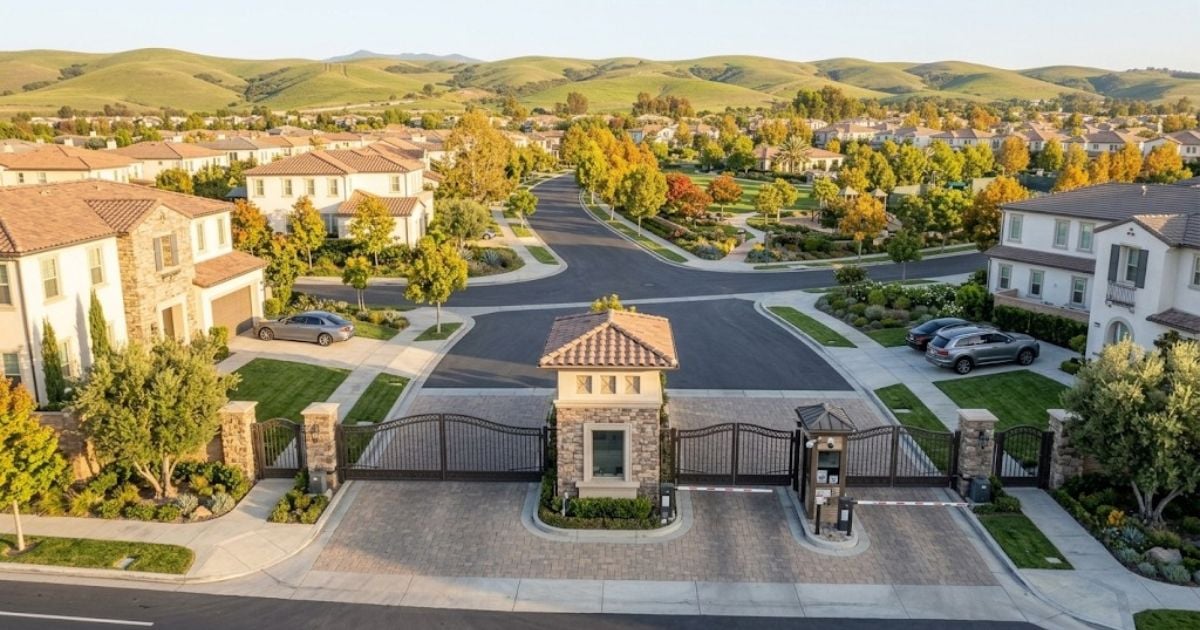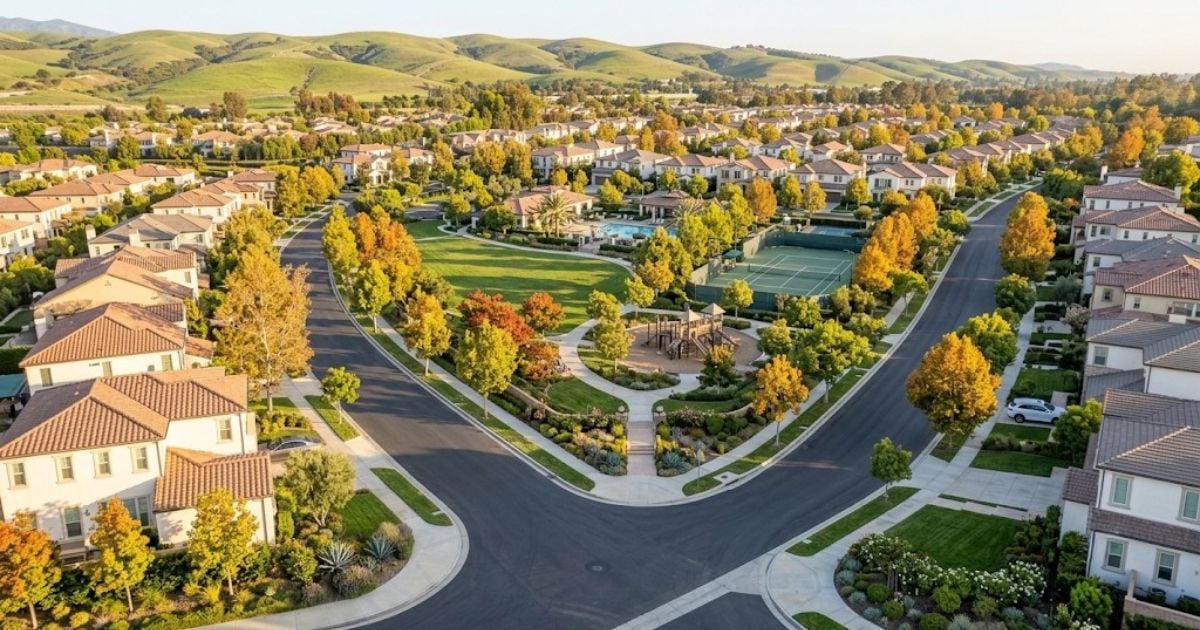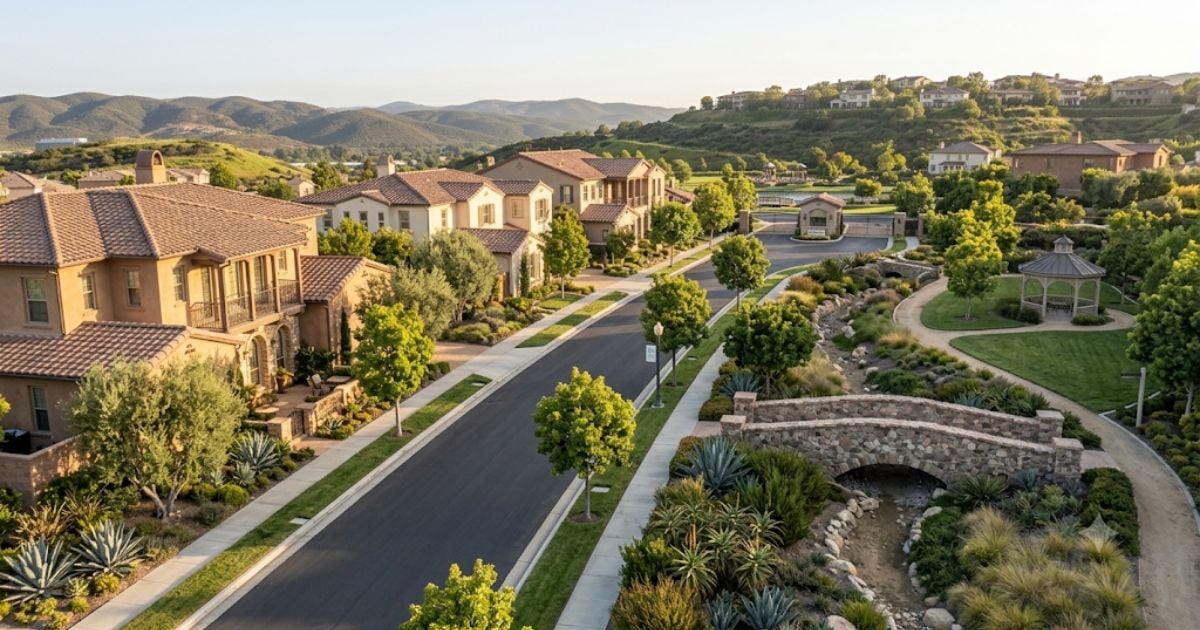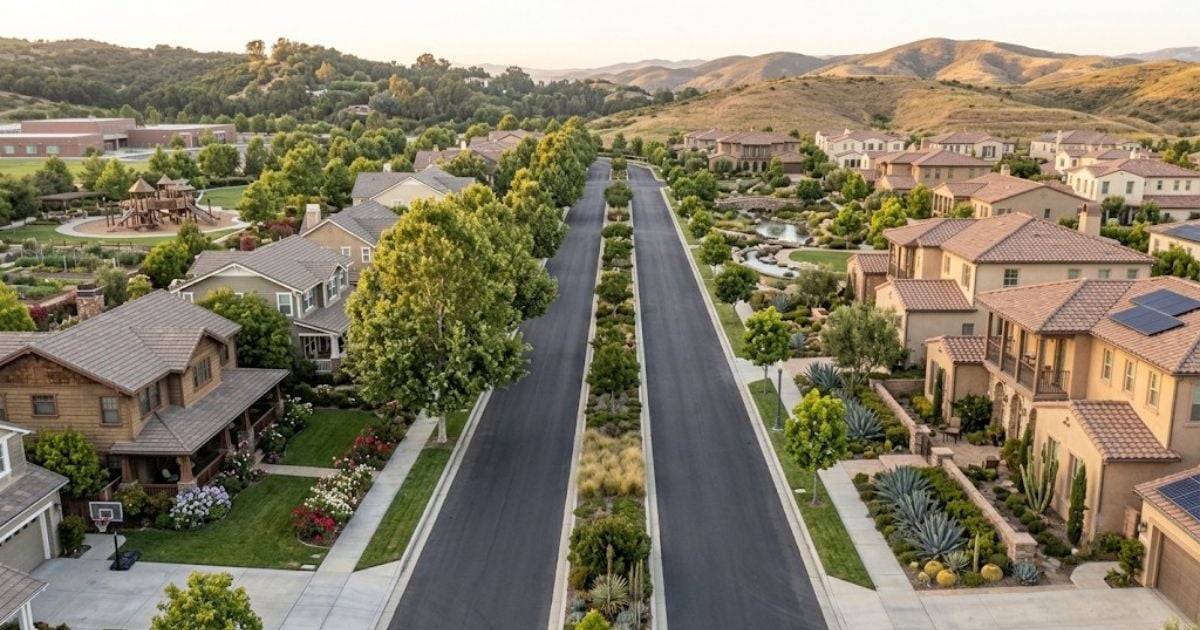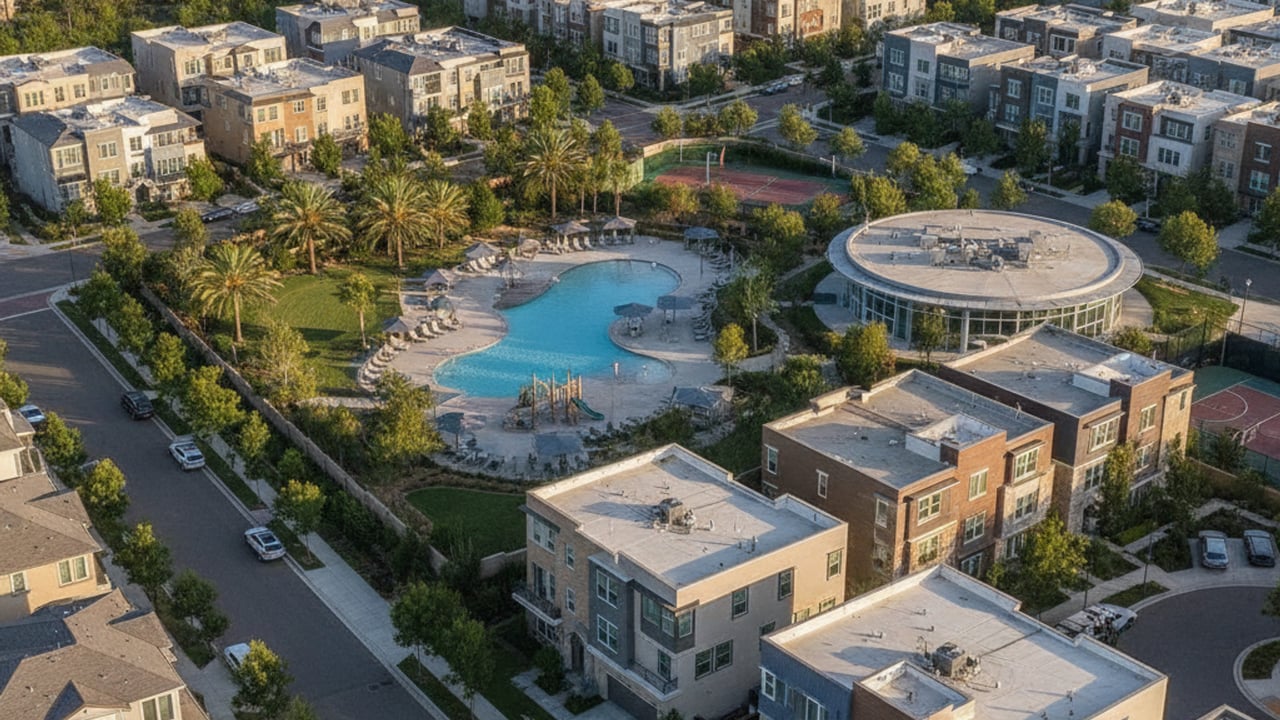
The median home sale price in Irvine, CA sits around $1,540,000 as of mid-2026. Buyers budgeting for a purchase here quickly learn that the mortgage principal and interest only tell part of the monthly cost story. The best real estate agent in Irvine, CA will ensure you understand these additional expenses upfront.
Before we break down each expense, watch this video where I explain why the monthly payment is often much higher than buyers expect:
Master-planned communities dominate the local housing landscape, bringing layered association dues and special tax assessments. Understanding the exact breakdown of these recurring charges helps buyers accurately calculate their purchasing power before submitting an offer.
What to Expect for Monthly Association Dues
Detached single-family homes in Irvine typically carry monthly homeowner association dues ranging from $125 to $350. These fees usually cover the maintenance of common areas, neighborhood parks, and community pools.
Attached properties, such as townhouses and condominiums, come with higher monthly assessments. Buyers should expect to pay between $250 and over $450 per month for these units. The higher cost stems from the association taking on exterior building maintenance, roof repairs, and master insurance policies for shared structures.
Contextualizing these fees requires looking at the property values themselves. With single-family homes frequently selling well above the $1.5 million mark and condos often starting in the upper six figures, the monthly dues represent a relatively small percentage of the total housing expense. Buyers should still factor these exact amounts into their debt-to-income ratios during the loan pre-approval stage.
How Mello-Roos Taxes Differ From Association Dues
Community Facilities District (CFD) assessments, commonly known as Mello-Roos, range from $1,500 to over $5,400 annually for many Irvine properties. These are special taxes added directly to the county property tax bill, not private fees paid to a neighborhood board.
Developers use Mello-Roos bonds to fund public infrastructure like new schools, roads, and municipal utility lines when building a new tract. Because buyers assume the repayment of these bonds, newer developments carry these taxes while many older neighborhoods do not.
While HOA dues pay for private neighborhood amenities like gated entries and clubhouses, Mello-Roos funds public works. In CFD-heavy zip codes, these special assessments can push the effective property tax rate up to 1.5% or 1.7% of the home's assessed value.
Comparing Costs Across Popular Irvine Villages
Master-planned communities in this city often use a tiered fee structure, combining a master association fee with a localized sub-association fee. The master fee pays for large-scale amenities available to the whole village, while the sub-HOA covers specific neighborhood features like private alleys or local gates.
The total monthly obligation varies widely depending on when the village was built and the extent of its shared facilities. Buyers evaluating different parts of the city will see distinct differences in how these costs stack up.
- Woodbridge: This older community charges a 2026 master fee of roughly $157 per month, which funds access to two lakes, beach clubs, pools, and tennis courts. Because of its age, Woodbridge properties do not carry Mello-Roos taxes.
- Great Park Homes: Master dues here fluctuate between $221 and $260 per month to maintain extensive parks, trail systems, and aquatic centers. Residents in specific tracts pay additional sub-HOA fees, and the newer construction means Mello-Roos taxes apply.
- Oak Creek: Features like gated entries, basketball courts, and private pools are funded through a combination of a master fee and sub-association dues. The exact monthly total depends on which specific subdivision the home sits in.
Commutes, Zoning, and Regional Living Costs
Homes located within the Irvine Unified School District boundaries see consistent buyer demand, with properties spending roughly 48 days on the market before selling. Current market data shows about 744 available homes across the city, representing a 4.6-month supply of inventory.
Commute times also influence property values and buyer preferences across different villages. Neighborhoods positioned closer to the I-405 and I-5 freeways offer faster regional access to employment centers in Los Angeles and southern Orange County.
Proximity to major commercial hubs like the Irvine Spectrum Center adds a convenience factor that is often priced into the real estate. Buyers should weigh these location variables alongside the monthly association dues to determine which neighborhood fits their daily routine and budget.
Frequently Asked Questions
What is the average HOA fee in Irvine, CA?
Detached single-family homes generally see fees between $125 and $350 per month. Attached condos and townhomes typically range from $250 to over $450 per month. The exact average depends on the specific village and property type.
What do HOA fees typically cover for homes and condos in Irvine?
For single-family homes, dues usually pay for neighborhood parks, pools, and landscaping of common areas. Condo associations use the funds to cover those same amenities plus exterior building maintenance, roof repairs, and shared insurance policies.
What is the difference between a master HOA and a sub-HOA in Irvine?
A master association manages large-scale amenities available to an entire village, like major trail systems or community centers. A sub-HOA operates at the tract level, covering localized expenses like a specific neighborhood's private gate or shared driveway.
What is Mello-Roos and how does it differ from HOA fees in Irvine?
Mello-Roos is a special tax on the county property bill used to pay off bonds for public infrastructure like schools and roads. Association dues are private fees paid to a community board for the upkeep of neighborhood amenities.
Do all Irvine neighborhoods have Mello-Roos taxes on top of HOA dues?
No, older villages built before the 1980s generally do not have these special assessments. Communities like Woodbridge offer access to extensive amenities without the added Mello-Roos tax burden found in newer developments.
Which Irvine villages have the lowest combined HOA fees?
Older neighborhoods without sub-associations or Mello-Roos taxes offer the lowest total monthly carry costs. Buyers looking to minimize extra monthly expenses should focus their search on established areas rather than new construction.
How often do HOA dues typically increase in Irvine communities?
California law allows association boards to increase regular assessments by up to 20% per year without a full membership vote. Boards base these annual adjustments on reserve studies that project the future cost of maintaining community assets.
Two homes at the same list price can carry very different monthly costs once dues and Mello-Roos are added. The Irvine buyer guide shows how to compare homes on the real number rather than the list price.