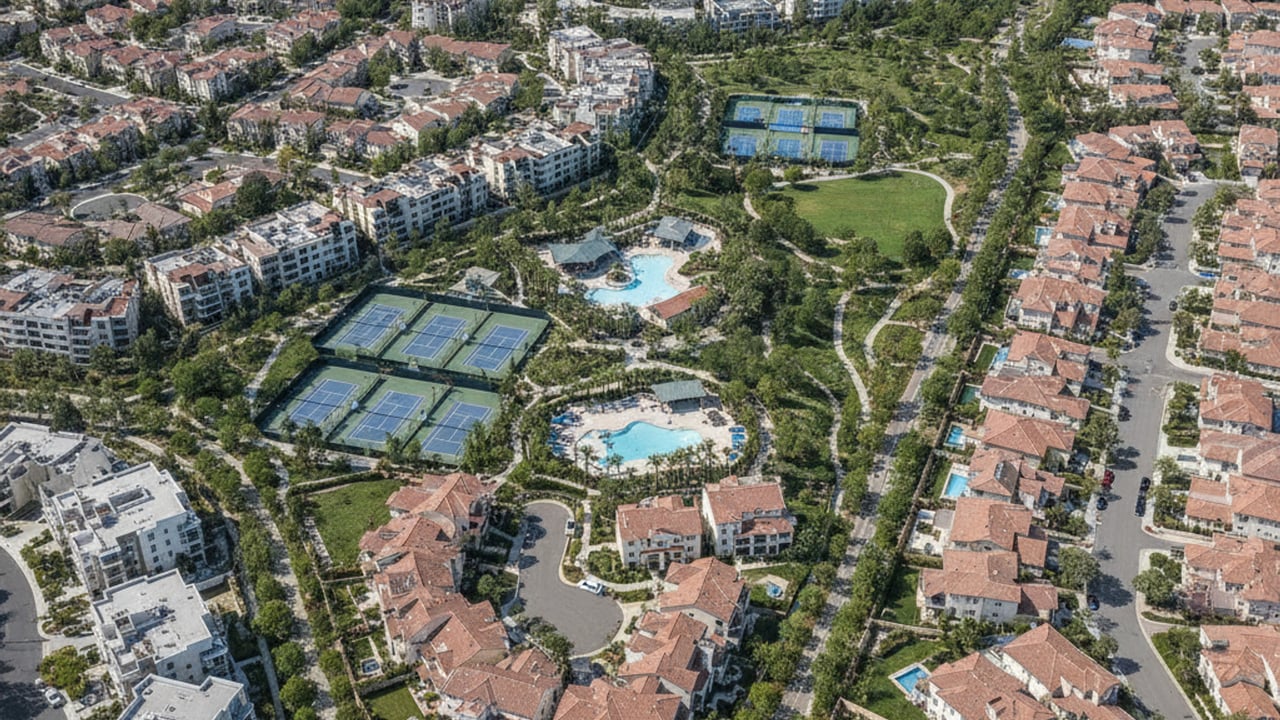
The median home price in Irvine, CA, sits around $1.54 million as of mid-2026. Partnering with the best real estate agent in Irvine, CA is essential for those looking to buy in this master-planned Orange County hub. The area commands a premium, drawing buyers with its massive corporate employment base and carefully zoned residential villages.
For buyers looking at investment properties or a primary residence, the local landscape requires understanding a specific set of rules. From Mello-Roos taxes to homeowner association guidelines, purchasing a home here involves more than just analyzing the monthly mortgage.
Current Irvine Real Estate Market Conditions
Homes in Irvine currently spend about 48 days on the market before selling. With 744 active listings and 4.6 months of supply, the area leans toward a balanced market, though well-priced properties still attract multiple offers. About 21% of homes are selling above their list price, showing steady demand despite the high entry cost.
The local economy drives a large portion of this housing demand. Major employers like Edwards Lifesciences, Rivian, and Broadcom provide a steady influx of high-earning professionals needing housing. The University of California, Irvine, and the commercial hub around the Irvine Spectrum Center further anchor the regional job market.
The median home price saw a slight dip of about 1.8% year-over-year heading into the summer of 2026. Sellers are receiving roughly 98% of their asking price on average, meaning buyers have a small window for negotiation compared to previous years.
Housing Options in Master-Planned Communities
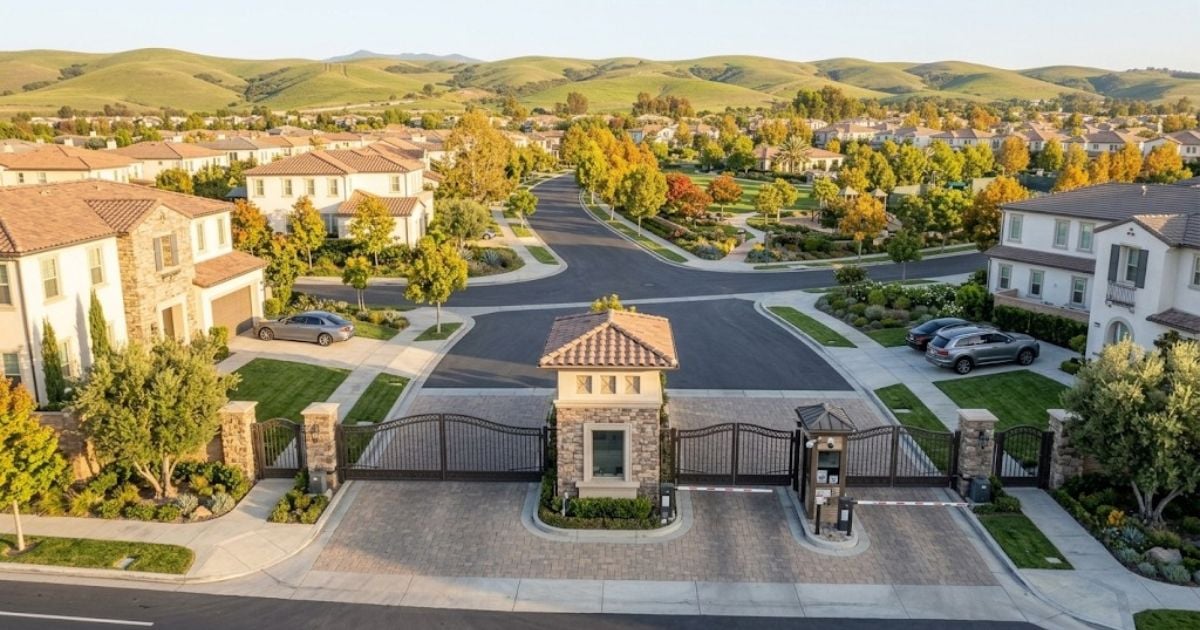
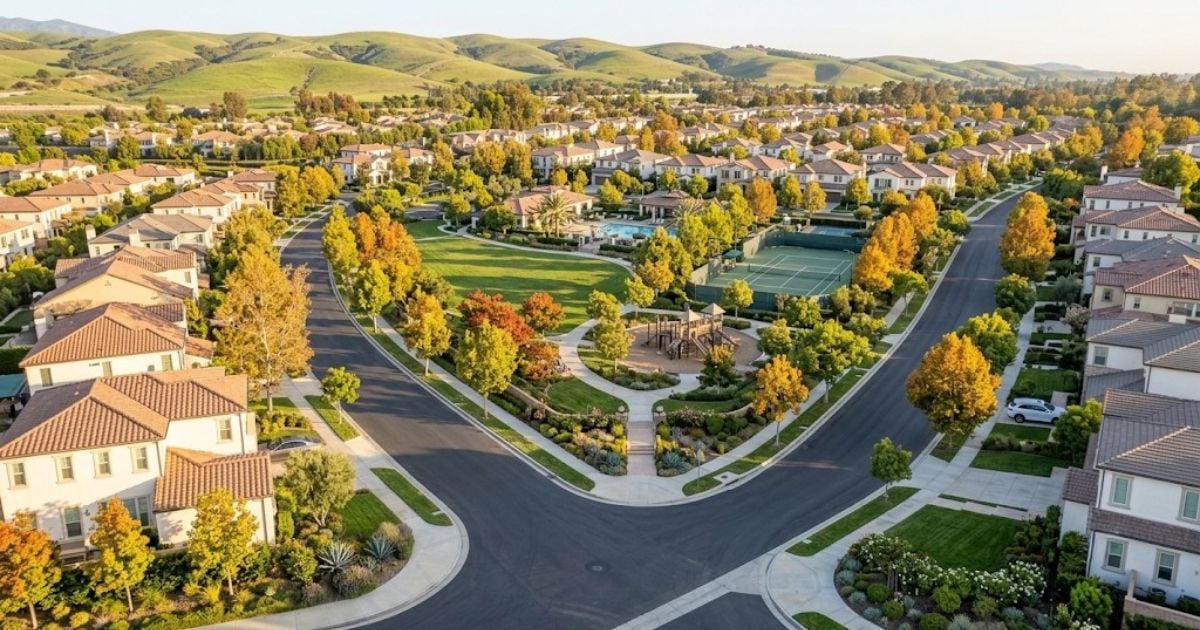
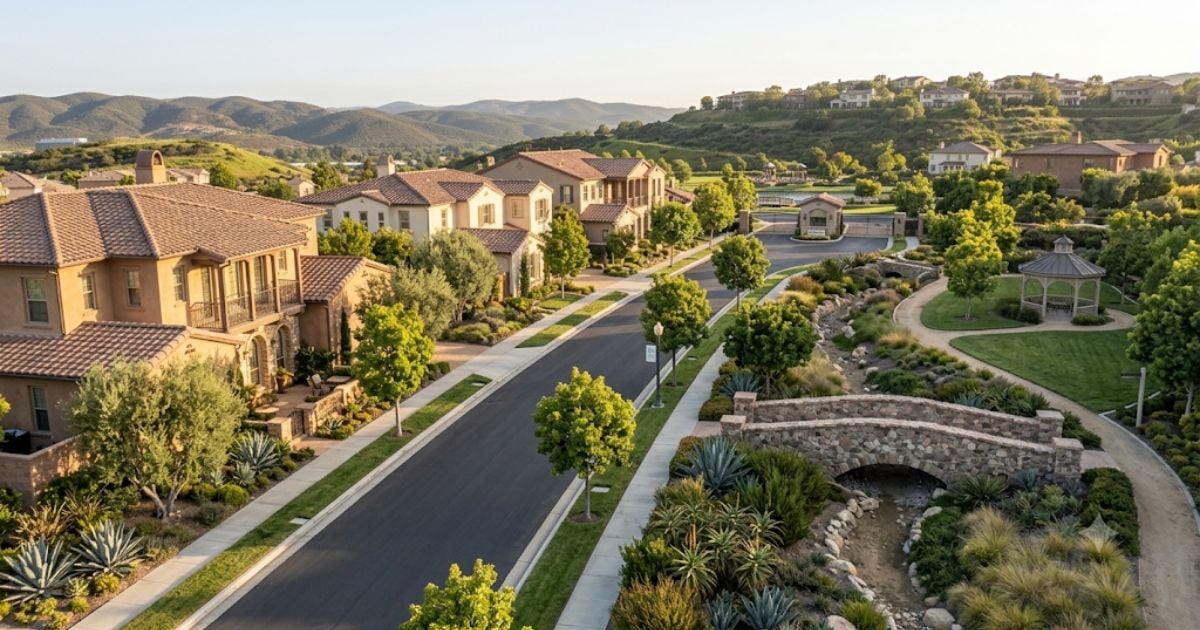
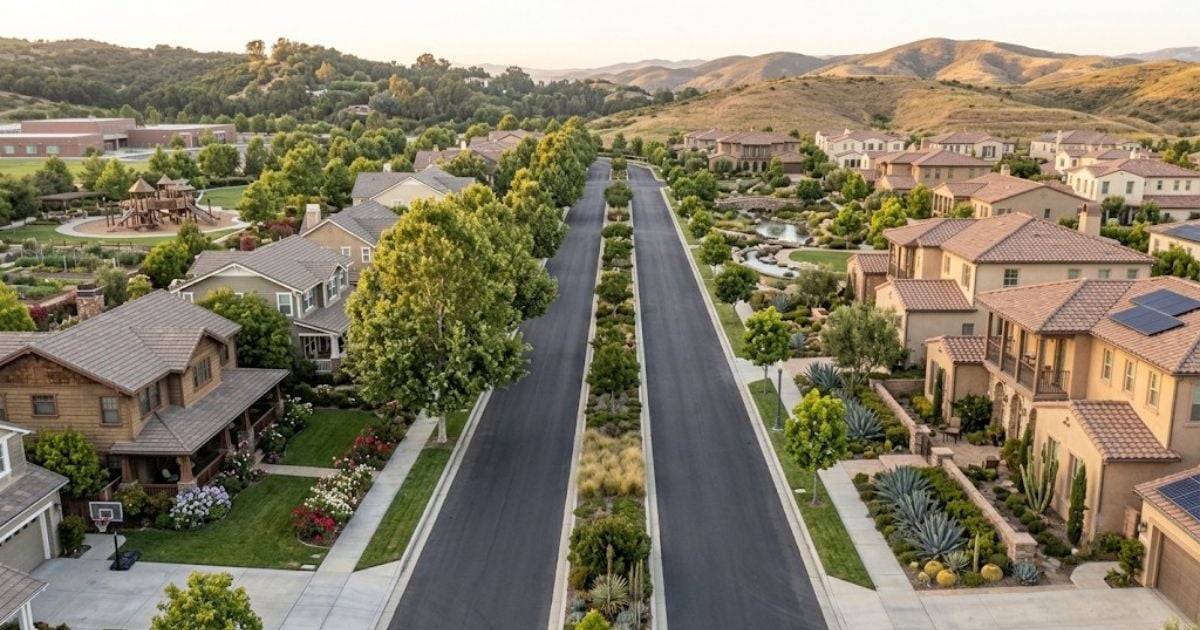
Irvine is divided into distinct villages, each designed with a specific mix of single-family homes, townhouses, and condominiums. Neighborhoods like Woodbridge feature older, established homes built around man-made lakes, while Portola Springs offers newer construction finished within the last 15 years.
Every village operates under a homeowner association that dictates exterior modifications, landscaping, and community maintenance. Investors planning to rent out their properties should review these HOA guidelines closely, as some communities in Irvine restrict short-term rentals or require specific leasing addendums.
Buyers should factor Mello-Roos taxes and HOA fees in Irvine into their monthly carrying costs. These additional assessments fund local infrastructure and community amenities, and they can easily add several hundred dollars to a monthly housing budget, altering the cash flow for an investment property.
Local Schools, Parks, and Infrastructure
The Irvine Unified School District boundaries cover the majority of the city, and properties zoned for its top-rated campuses maintain consistent buyer interest. Homes located within walking distance of these schools often sell faster than those on the edges of the district.
The city's design integrates outdoor recreation directly into the residential layout. Buyers and tenants prioritize access to these built-in amenities:
- Orange County Great Park: A massive regional hub featuring sports complexes, an ice facility, and extensive open space.
- Village Parks: Each master-planned neighborhood includes private community pools, tennis courts, and playgrounds funded by HOA dues.
- Trail Networks: Paved biking and walking paths connect residential areas to commercial centers and schools.
Properties located adjacent to these trailheads or within a short walk to village parks generally command higher rent prices. Tenants are willing to pay a premium for immediate access to maintained outdoor spaces.
Commute Routes and Regional Transit
Commuters traveling from Irvine to employment centers in Los Angeles or southern Orange County rely primarily on Interstate 405 and Interstate 5. The State Route 133 toll road also cuts through the city, offering a faster, paid alternative to reach coastal communities like Laguna Beach.
John Wayne Airport sits right on the city's western border, requiring only a 10- to 15-minute drive from most central neighborhoods. This proximity appeals to business travelers and corporate tenants who need regular access to regional flights.
For those avoiding daily highway traffic, the Irvine station provides access to the Metrolink regional rail service. Trains run north into downtown Los Angeles and south toward San Diego, offering a practical alternative for daily commuters.
Typical Rent Prices and Investment Returns
Landlords in Irvine currently collect average monthly rents ranging from $2,800 for smaller apartments to well over $3,300 for single-family homes. The high cost of homeownership keeps the tenant pool full, as many local professionals choose to rent while saving for a down payment.
Capitalization rates for suburban multifamily properties in this area generally sit between 4.85% and 5.75%. While these yields are lower than in some out-of-state markets, investors typically target Irvine for long-term property appreciation and tenant stability.
Property management fees in Orange County usually run between 6% and 10% of the monthly rent. Factoring in these fees, along with typical leasing turnover rates, helps buyers project a more accurate net operating income before closing on a property.
Frequently Asked Questions
Is the Irvine real estate market currently a buyer's or seller's market?
The market is currently balanced, with roughly 4.6 months of available housing supply. While homes sit for an average of 48 days, well-priced properties still see competition, with over 21% selling above the asking price.
What are the hidden costs of owning property in Irvine?
Beyond standard maintenance, buyers face dual layers of monthly HOA fees and Mello-Roos special tax assessments. A typical property might carry a base tax rate of 1% plus a Mello-Roos charge that adds several thousand dollars to the annual property tax bill.
What salary or income do you need to live comfortably in Irvine, CA?
A household generally needs to earn over $150,000 annually to comfortably afford the median housing costs in the area. With the average rent in Irvine hovering around $3,000, landlords often look for tenants bringing in at least three times the monthly rent in gross income.
Why is Irvine, CA, such a popular place to live and invest in real estate?
The city offers a massive local employment base anchored by tech and medical device companies. Combine that with top-rated public schools and meticulously maintained infrastructure, and the area consistently draws long-term renters and buyers.
What kind of rental yields can investors expect from Irvine properties?
Suburban multifamily properties in the area generally yield capitalization rates between 4.85% and 5.75%. Investors trade higher cash flow for lower vacancy rates and the potential for steady, long-term equity growth.
How do HOA rules in Irvine's master-planned communities affect real estate investors?
Associations often enforce strict limits on the number of rentals allowed within a neighborhood or ban short-term leasing entirely. Investors should review the community's governing documents to ensure their planned rental strategy does not violate local guidelines.