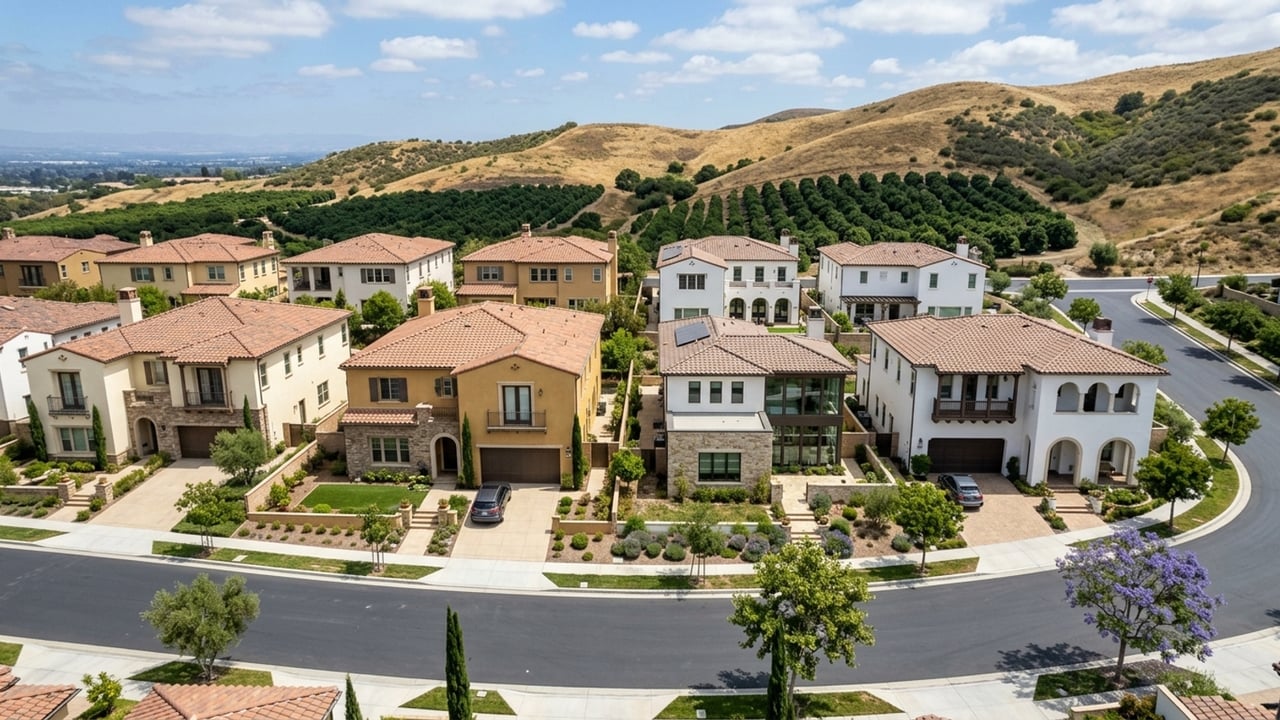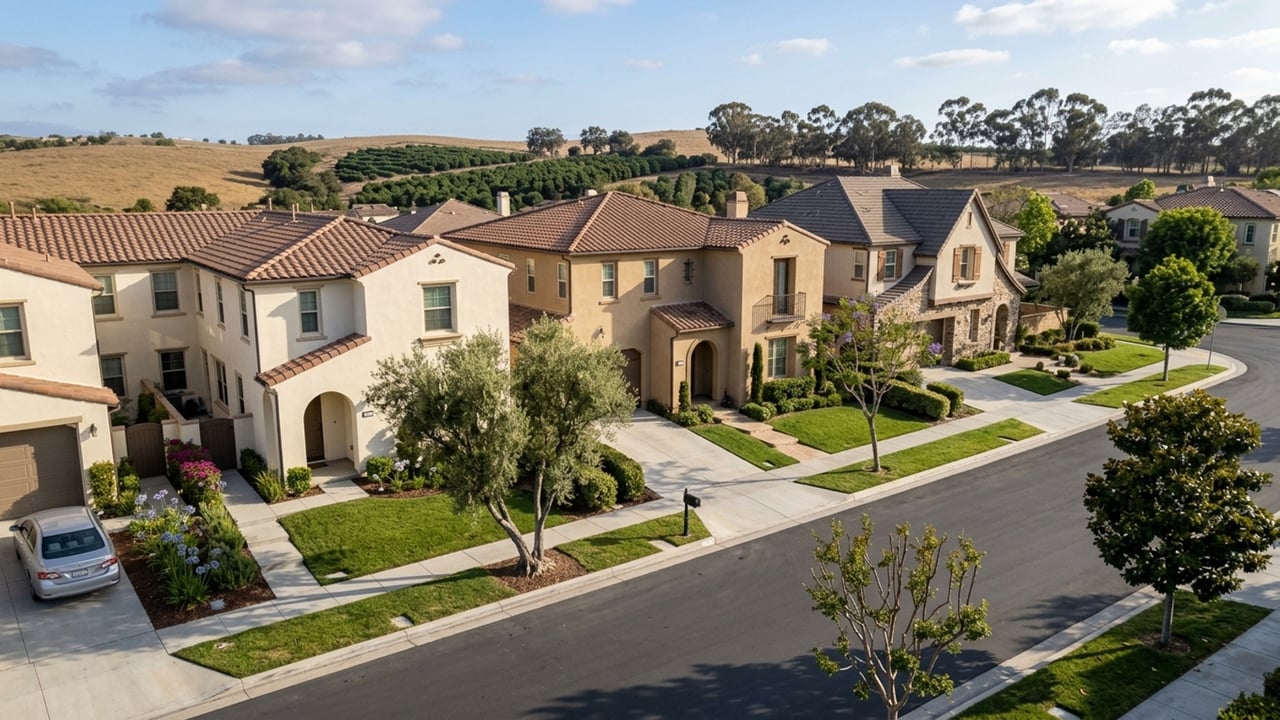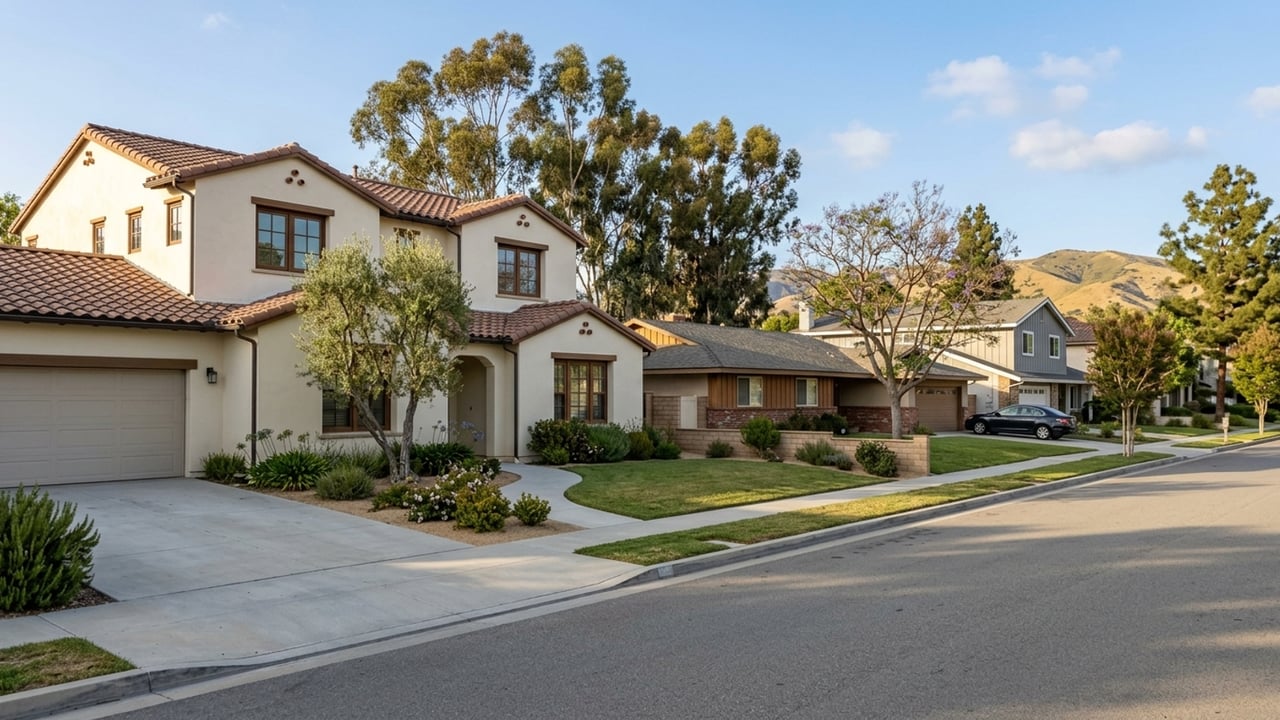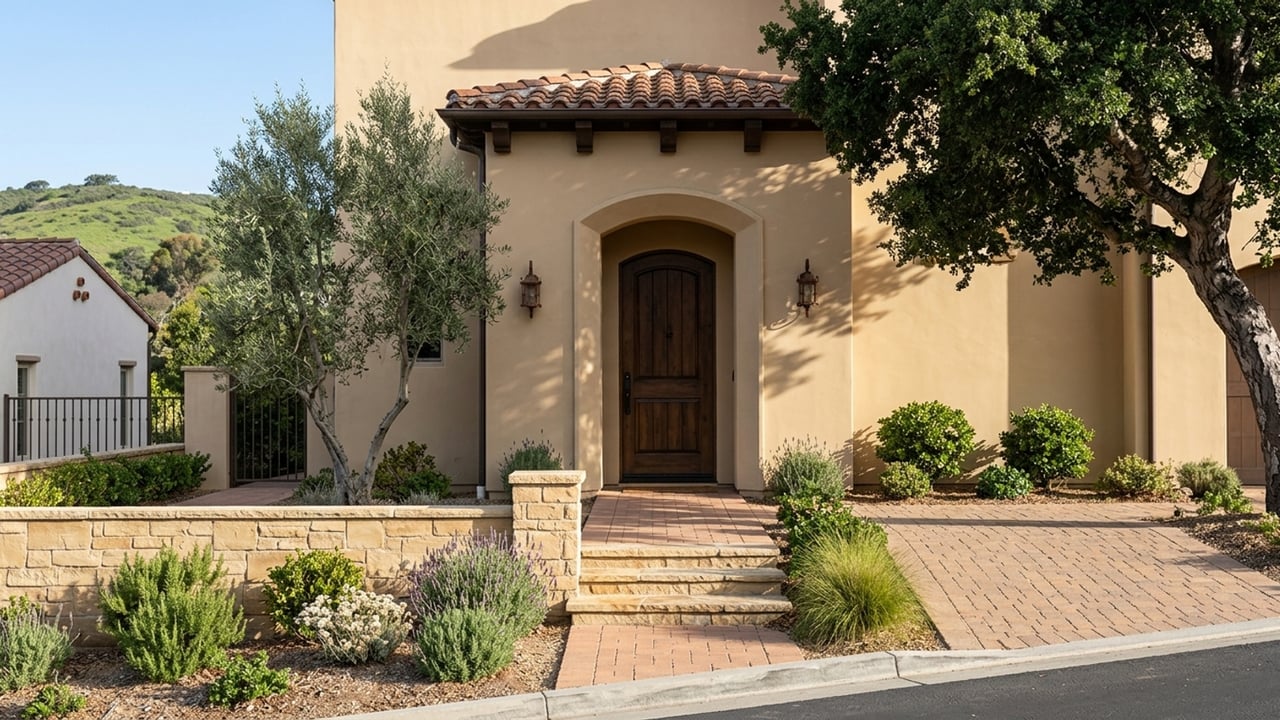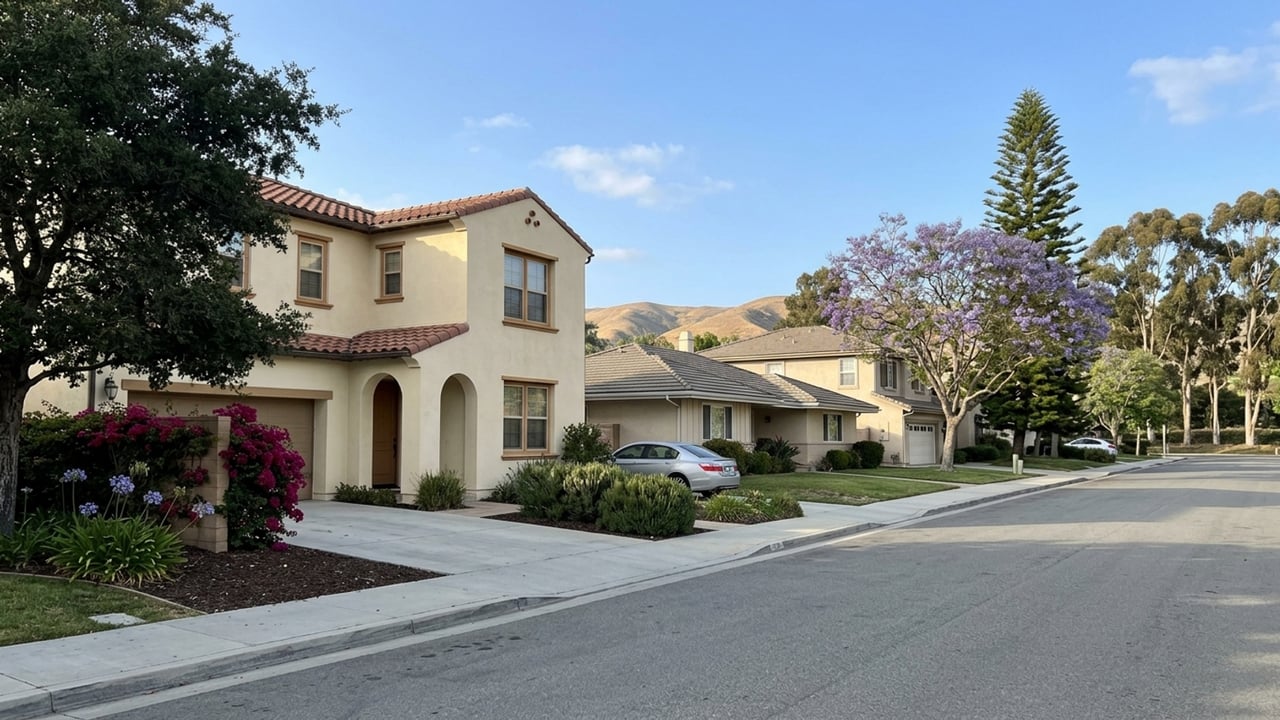
Irvine sits in central Orange County, California - nearly 70 square miles, population over 307,000. If you're buying a home in Irvine, CA, the single most useful thing to understand is that the city isn't organized like most. It's a collection of master-planned villages, and which village you land in determines your home's style, price range, and school boundaries before you've even opened a door.
The median home sale price right now is approximately $1,518,995. There are roughly 865 homes available at any given time, spanning attached condos all the way up to multi-million-dollar estates. The city is part of the Los Angeles-Long Beach-Anaheim statistical area, so it functions as a primary residential base for a wide range of Southern California commuters.
How Irvine is Organized
Irvine is built as a collection of distinct master-planned villages rather than a traditional grid of organic subdivisions. That structure matters more here than it would in most cities - because village assignment dictates architectural styles, home values, and school boundaries all at once.
Think of each village as something close to a small town operating inside the larger city limits. Where the commercial centers sit relative to residential streets, how long it takes you to get anywhere, what amenities are nearby - all of that flows from the village layout.
The Master-Planned Village Structure
Villages like Woodbridge, Turtle Rock, Northwood, Woodbury, and Portola Springs each have their own defined borders. When you buy here, those borders determine your property tax rates and homeowners association dues - not just your zip code.
Older villages often don't carry the additional Mello-Roos taxes you'll find in newer developments. Before you write an offer anywhere, pull the specific tax assessments for that village. It's a number that can meaningfully change your monthly payment.
Location Within Orange County
Irvine sits in the center of Orange County, forming a large portion of the Los Angeles-Long Beach-Anaheim statistical area. The city's footprint stretches across a wide valley, bordering several other major municipalities.
That size creates real variation in commute times depending on which end of the city you're in. Don't rely on a general Irvine zip code when you're running drive-time numbers - map it from the specific village.
Mapping Out Irvine's Communities
The Irvine Police Department divides the city into three main geographic patrol areas: Crossroads, University, and Portola. It's a useful framework for thinking about the north, south, and west sections of the city without getting lost in village names right away.
Homes in the southern portion tend to feature larger lots and more varied topography. The northern and eastern edges run newer - more recent construction, updated community facilities. Central and western areas hold most of Irvine's earliest established villages, with the mature landscaping and infrastructure that comes with age.
North, South, and West Areas
Southern villages like Turtle Rock are known for elevation changes and larger property footprints. Prices there typically run from $2.1 million to $2.4 million.
Head toward the center and west and you'll find more entry-level housing options alongside that established landscaping. The northern and eastern sections are where new construction dominates, with modern floor plans and recently built community amenities.
Home Types and Prices Across Irvine
Recent market data shows 572 homes sold in a single month, with properties spending roughly 53 days on market. The average sale-to-list ratio holds at about 97.6%, and current inventory sits at a 4.6-month supply.
What you're looking for in terms of home type will do a lot of the work in narrowing down which village makes sense for your search.
Detached Single-Family Homes
Upper-tier villages focused on larger detached residences include Portola Springs, Turtle Rock, Northwood Pointe, and the lower section of Orchard Hills. Northwood homes typically price between $1.6 million and $1.7 million.
For luxury-tier estates, the names shift: Orchard Hills Reserve, Altair, Turtle Ridge, Hidden Canyon, and Shady Canyon. The median price for luxury estates in Shady Canyon reaches approximately $9.99 million - a different market entirely from the rest of the city.
Condos and Attached Homes
If you're looking for townhomes, condos, or smaller single-family homes, the highest concentrations are in villages like Woodbridge, Oak Creek, Rancho San Joaquin, and Westpark. University Park also offers more accessible price points, with homes ranging from $1.44 million to $1.49 million.
Shared amenities and exterior maintenance are typically covered by the HOA in these communities. Factor those monthly dues into your total housing budget before you fall in love with a price tag.
New Construction and Master-Planned Areas
Buyers interested in new construction should look at Great Park Neighborhoods. Contemporary architectural designs, updated energy-efficient building standards - it's a different feel from the older villages.
Prices in Great Park Neighborhoods generally fall between $1.57 million and $1.8 million. These homes carry Mello-Roos assessments, which fund the recently built local infrastructure.
Profiles of Notable Villages
Prices across Irvine's villages start around $1.2 million in older sections and scale up to nearly $10 million in luxury enclaves. Two villages at opposite ends of that range give you a reasonable sense of what the spread looks like on the ground.
Woodbridge
Woodbridge is one of Irvine's most recognized master-planned villages, known for its lakefront properties and established amenities. Because it's an older village, residents don't pay Mello-Roos taxes - which is worth more than it sounds when you're comparing monthly carrying costs across villages.
The 2026 median home price in Woodbridge sits between $1,200,000 and $1,300,000. The housing stock is mostly condos, townhomes, and older single-family homes with mature landscaping.
Great Park Neighborhoods
Great Park Neighborhoods surrounds the Orange County Great Park, a major local landmark that falls under Irvine Police Department jurisdiction. This area represents the newer wave of Irvine development - contemporary layouts, community-focused shared spaces, infrastructure that's still new.
That modern infrastructure comes with a cost: buyers should expect Mello-Roos taxes on top of standard property taxes. It's the consistent trade-off in Irvine's newer communities.
Cost of Living and Local Market Data
The overall cost of living in Irvine runs approximately 43% to 64% above the national average. The city's master-planned design and sustained housing demand are the primary drivers of that premium.
The median sale price is roughly $1.51 million, but that number changes depending on village and school district assignment. Verify those boundaries before you write an offer - not after.
School Districts Serving the Area
Most of the city falls under the Irvine Unified School District (IUSD), but the boundary lines don't perfectly follow city limits. Some Irvine addresses are zoned for the Tustin Unified School District, Saddleback Valley Unified School District, or Santa Ana Unified School District, depending on the exact property.
The official IUSD School Boundaries & Assignments page includes printable PDF maps for the 2026-2027 school year. That's where you confirm attendance zones - not from the listing, and not from me.
Researching Local Crime Data
For public safety data, go to official sources rather than third-party neighborhood rankings. The Irvine Police Department provides a Crime Map through its Crime Analysis and Real Time Crime Center page.
That portal also includes a Geographic Policing Map, letting you view data across the Crossroads, University, and Portola patrol areas. County sheriff records and FBI Uniform Crime Reporting (UCR) data are available for broader regional context as well.
Frequently Asked Questions
What neighborhoods and communities are in Irvine, CA?
Irvine is divided into master-planned villages rather than traditional neighborhoods. Well-known communities include Woodbridge, Turtle Rock, Northwood, Woodbury, Portola Springs, and Great Park Neighborhoods. Each village operates with its own distinct housing styles and HOA structures.
What do homes cost across Irvine's neighborhoods?
The median sale price across Irvine is currently about $1,518,995, but costs vary widely by location. Older villages like Woodbridge range from $1.2 million to $1.3 million, while newer areas like Great Park Neighborhoods run from $1.57 million to $1.8 million. Luxury communities like Shady Canyon have median prices near $9.99 million.
What types of homes are available in Irvine?
Buyers will find attached condos, townhomes, older single-family homes, new construction, and luxury estates. Entry-level attached homes are common in Westpark and Oak Creek, while large detached estates dominate Turtle Ridge and Altair.
What school districts serve Irvine's neighborhoods?
Most of the city falls under the Irvine Unified School District. However, some neighborhoods are zoned for the Tustin Unified School District, Saddleback Valley Unified School District, or Santa Ana Unified School District, depending on the exact property address.
How can I research crime data for a specific Irvine neighborhood?
You can view official statistics through the Irvine Police Department's Crime Analysis and Real Time Crime Center page. They provide a Geographic Policing Map and a Crime Map that tracks incidents across the city's three main patrol areas.
Do all neighborhoods in Irvine, CA have HOA fees and Mello-Roos taxes?
Almost all master-planned villages in Irvine have homeowners association fees, but Mello-Roos taxes depend on the age of the community. Older areas like Woodbridge typically do not have Mello-Roos, while newer developments like Great Park Neighborhoods do.
How do older Irvine villages compare to newer master-planned communities like Great Park?
Older villages usually offer mature landscaping, established amenities, and lower tax burdens due to the absence of Mello-Roos. Newer communities provide modern energy-efficient construction, contemporary floor plans, and updated infrastructure, though they come with higher tax assessments.
What is the typical home price in Northwood?
This community operates as one of the city's distinct areas with its own defined borders. Buyers interested in the Northwood master-planned village will find that homes typically price between $1.6 million and $1.7 million.