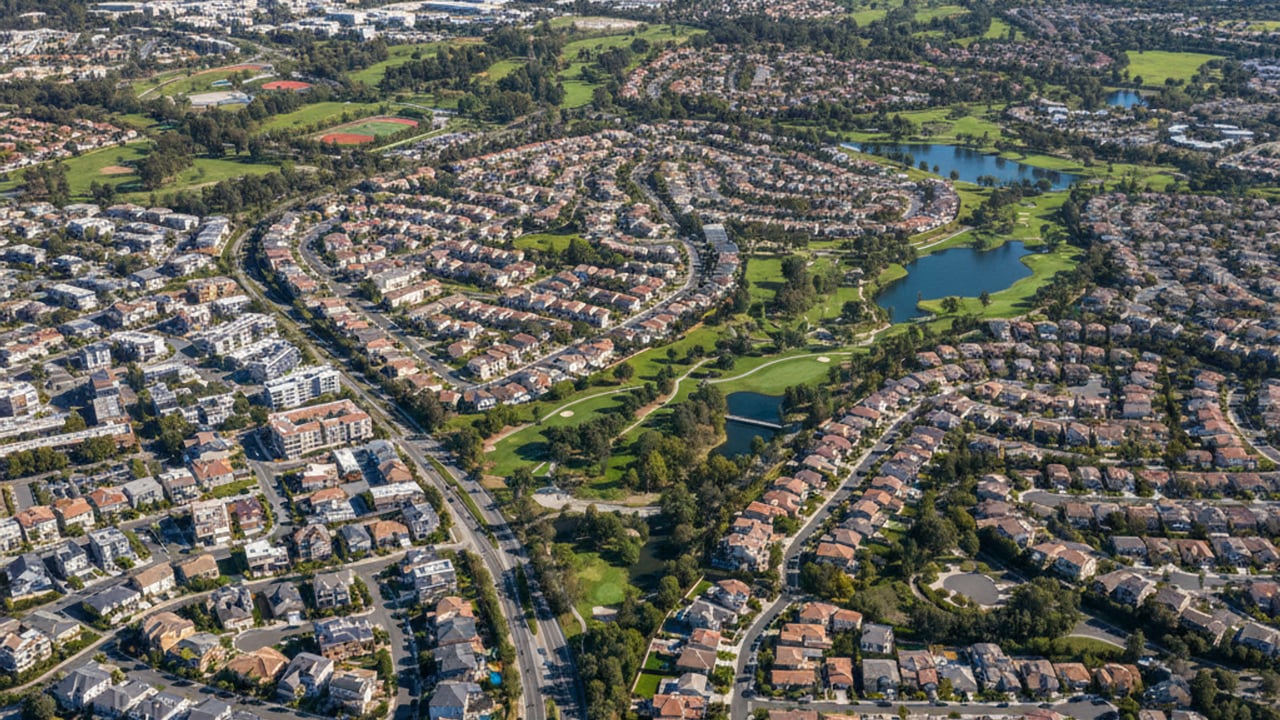
Relocating to Southern California requires careful planning, especially when looking at a highly structured city like Irvine. Known for its meticulously designed layout, this Orange County hub offers a distinct living experience compared to neighboring coastal towns. Buyers moving to Irvine CA quickly notice the emphasis on organized infrastructure, extensive green spaces, and a robust local economy.
Navigating the local housing market requires a clear understanding of village structures, homeowner associations, and current pricing. The 2026 landscape presents unique challenges and opportunities for both buyers and renters looking to establish roots here. Understanding these fundamental aspects ensures a smoother transition into one of the region's most prominent master-planned communities.
The Reality of the Irvine Real Estate Market in 2026
The housing landscape in Irvine remains highly active, driven by steady demand and carefully managed development. As of early 2026, the median home price hovers between $1,500,000 and $1,600,000. This pricing reflects the premium placed on the city's structured environment and comprehensive community amenities.
For those considering renting before buying, the leasing market is equally fast-paced. Average monthly rental rates currently range from $2,900 to $3,500, depending on proximity to major retail centers.
The available inventory is a mix of sprawling single-family homes and dense attached condominiums.
Low inventory levels continue to impact buyer negotiating power across all property types. Sellers frequently receive multiple offers, meaning buyers must enter the market with strong financing and decisive timelines. Purchasing a home here requires patience and a willingness to act quickly when the right property surfaces.
Master-Planned Villages and HOA Structure
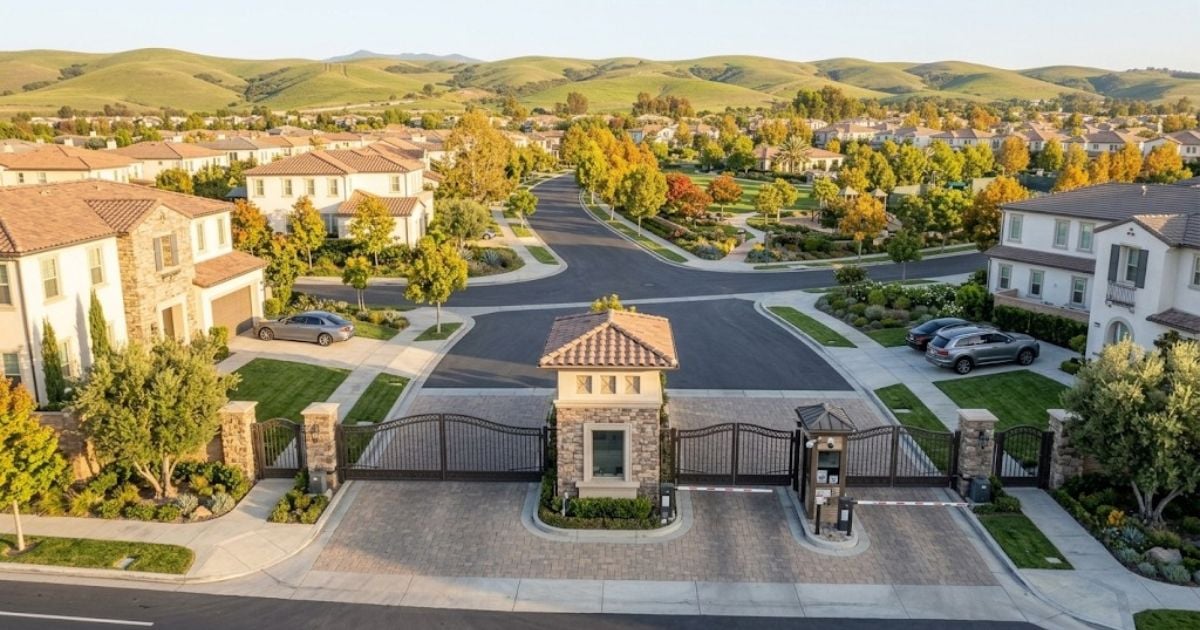
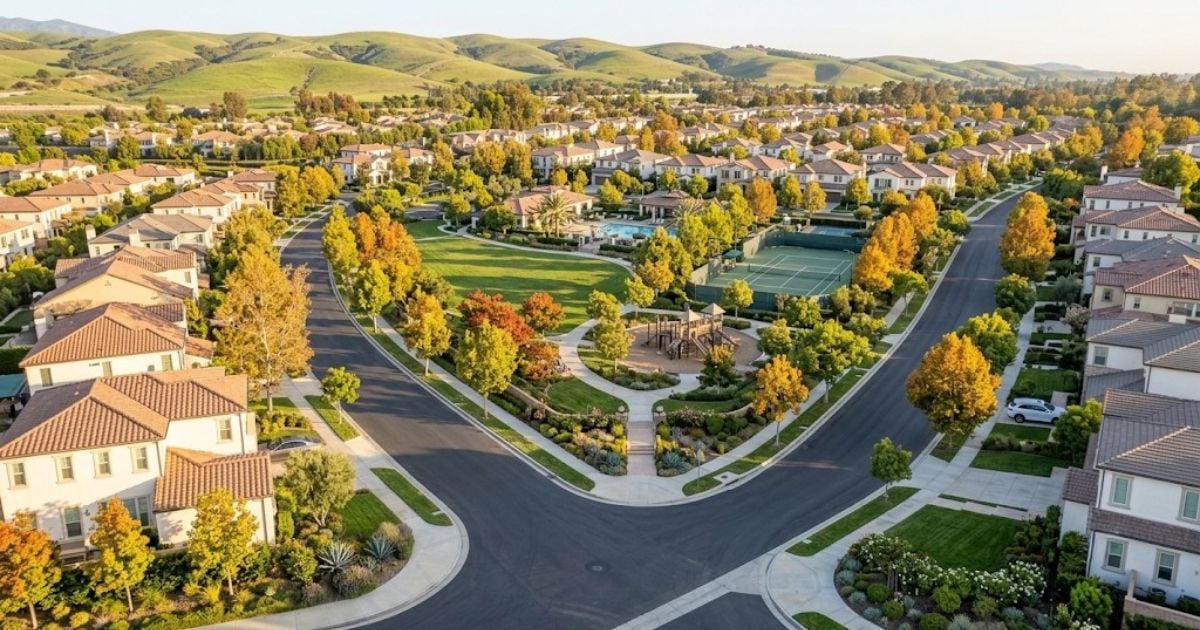
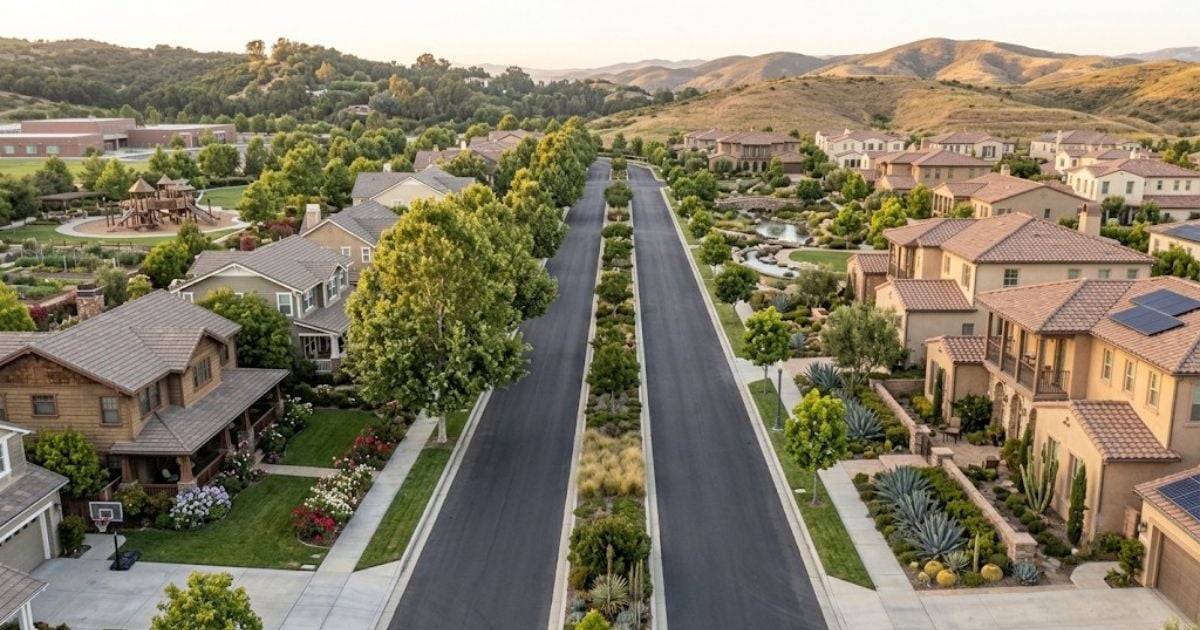
The city is divided into distinct master-planned villages, with prominent areas including Woodbridge, Woodbury, and the newer Great Park Neighborhoods. Each village is designed with deliberate urban planning to ensure residential tracts sit within a short distance of retail centers and grocery stores. This layout minimizes the need for long trips to handle daily errands.
A defining feature of purchasing real estate here is the prevalent homeowner association structure. Nearly all villages require mandatory HOA membership, meaning buyers must factor baseline monthly fees into their overall budgets. In exchange, residents gain access to well-maintained standard amenities like community pools, tennis courts, and private neighborhood parks.
Irvine Unified School District Data and Scale
The local public education infrastructure is a primary draw for many people relocating to the area. The Irvine Unified School District operates on a massive scale, currently managing 45 schools across the city. This expansive network serves approximately 38,000 students, making it one of the largest and most prominent districts in Orange County.
The district offers a comprehensive range of academic programs spanning the entire TK-12 spectrum. Facilities are frequently updated to accommodate new technologies and expanding enrollment numbers.
Campuses like Irvine High School and University High School anchor the secondary education offerings. They provide grounded, localized hubs for student activities and athletics.
Navigating school assignments requires careful attention to specific village boundaries, as enrollment zones can shift based on capacity. Buyers should always verify the assigned neighborhood schools before finalizing a property purchase.
Local Economy and Major Employment Hubs
A strong local job market provides a stable foundation for the city's housing sector. The local economy is exceptionally robust, heavily driven by the technology, medical device, and gaming industries. This diverse corporate presence offers substantial stability for relocating professionals seeking long-term career growth.
Corporate headquarters are heavily concentrated near the Irvine Business Complex and the Irvine Spectrum Center. These commercial hubs generate significant daily foot traffic and serve as the economic engine for the surrounding residential areas.
Major institutions like the University of California, Irvine, and Blizzard Entertainment act as significant economic anchors. They employ thousands of local residents and draw specialized talent from across the country.
Navigating Commute Times and Transit Routes
Getting around the region requires familiarization with the primary arterial highways serving the city. Drivers heavily utilize the I-405, the I-5, and the CA-133 toll road to navigate through Orange County. While local traffic can be dense during peak hours, the grid-like street layout helps keep vehicles moving efficiently.
Commuting to surrounding employment centers like Newport Beach and Costa Mesa typically takes 20 to 30 minutes, depending on the time of day. Many residents utilize the regional toll road network to bypass daily traffic congestion on the free interstates. Additionally, the Irvine Station provides a practical alternative for those utilizing regional rail services.
Outdoor Recreation and Extensive Trail Networks
Access to green space is a fundamental component of the city's master-planned design. The area offers expansive outdoor recreation options, anchored prominently by the Orange County Great Park. This massive facility features sports complexes, wide open spaces, and continuous development of new public amenities.
Beyond the Great Park, residents frequently utilize the established facilities at William R. Mason Regional Park. This space provides large lakes, mature shade trees, and expansive picnic areas right in the middle of the city.
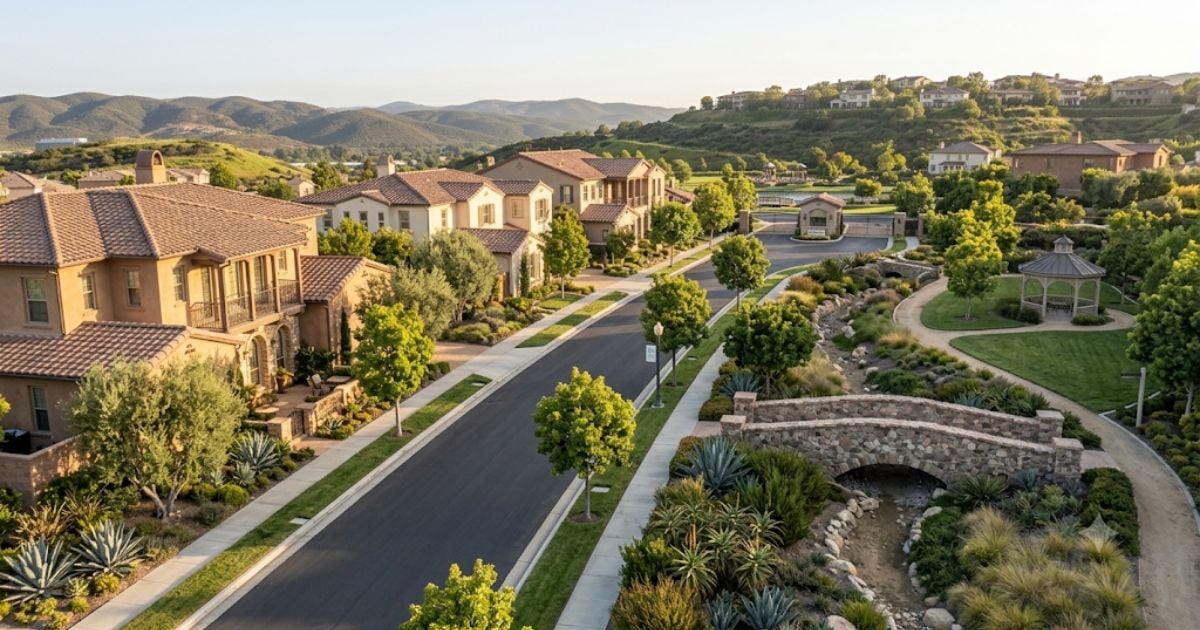
The deliberate integration of nature reserves and manicured parks ensures that outdoor access is never more than a few minutes away from any neighborhood.
The city also boasts an extensive network of paved bike trails and dedicated cycling infrastructure. These paths connect various villages, allowing residents to navigate between neighborhoods and shopping centers without relying on a car. This emphasis on pedestrian and cyclist accessibility remains a major selling point for the local housing market.
Frequently Asked Questions
Is it expensive to live in Irvine, CA?
Yes, the cost of living here is significantly higher than the national average, driven largely by premium housing costs. With median home prices around $1,500,000, buyers must budget carefully for both mortgage payments and mandatory HOA fees. Everyday expenses like groceries and transportation also reflect the premium nature of this Orange County hub.
What are the job opportunities and major employers in Irvine?
The city features a booming job market anchored by the technology, medical device, and higher education sectors. Major employers like Blizzard Entertainment and the University of California, Irvine, provide thousands of high-paying roles. The dense concentration of corporate offices near the Irvine Spectrum Center ensures abundant opportunities for incoming professionals.
What are the differences between living in Irvine and Costa Mesa?
Irvine is a highly regulated, master-planned community characterized by strict HOAs and uniform village layouts. In contrast, Costa Mesa grew organically over time, offering more varied architecture and neighborhoods without widespread HOA oversight. Buyers choosing between the two must decide whether they prefer structured suburban planning or a more eclectic, independent environment.