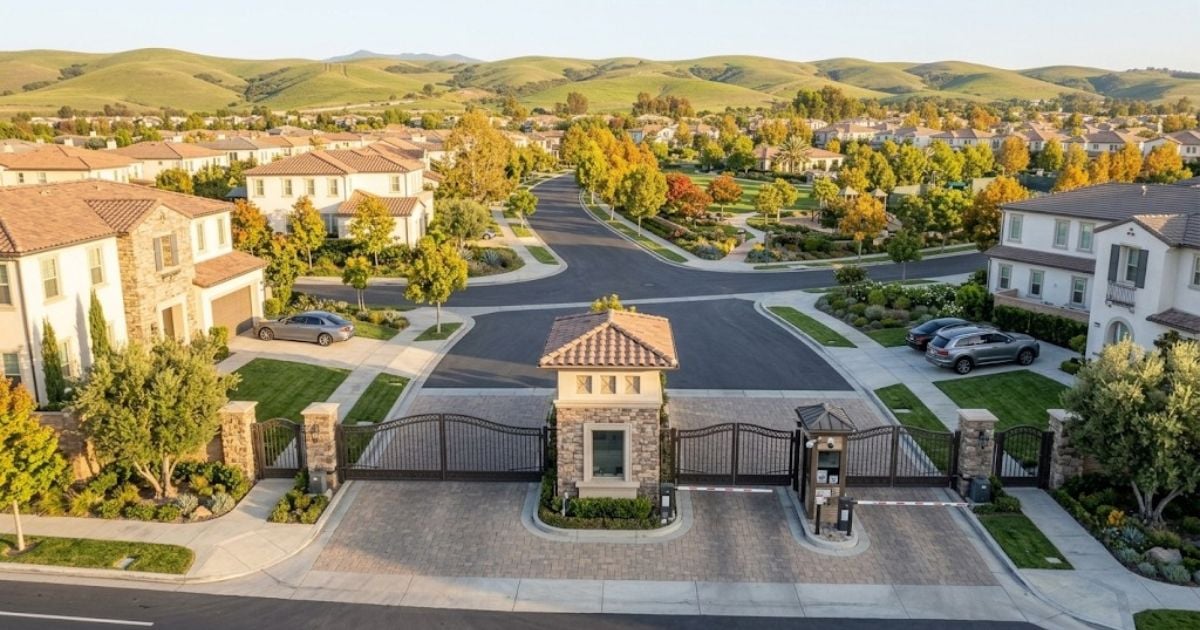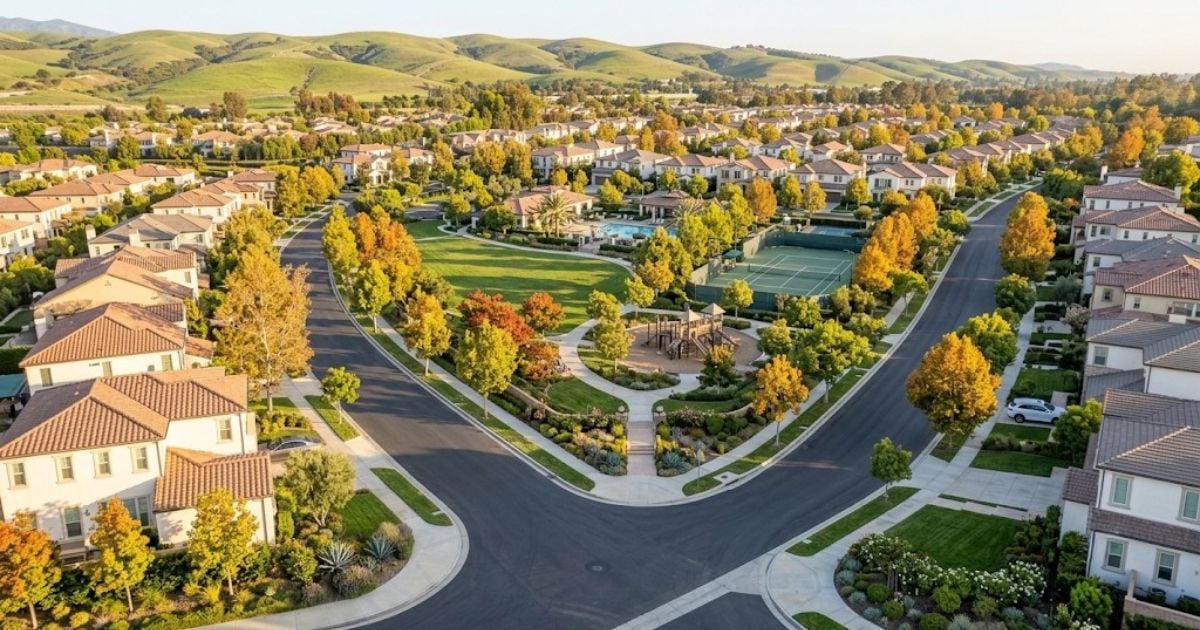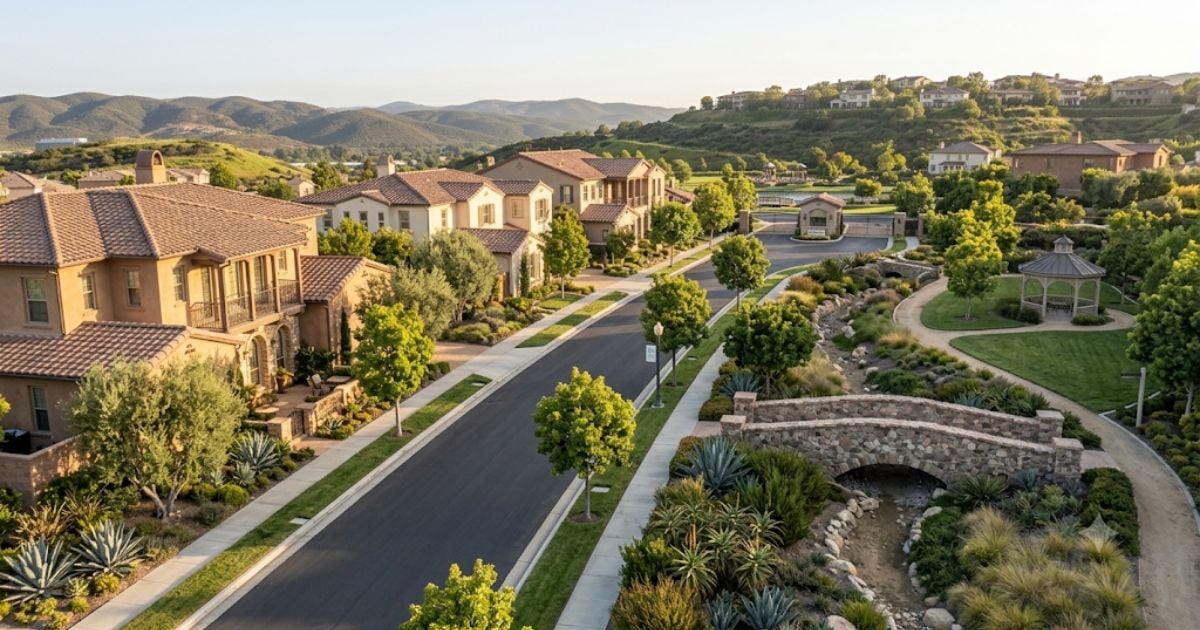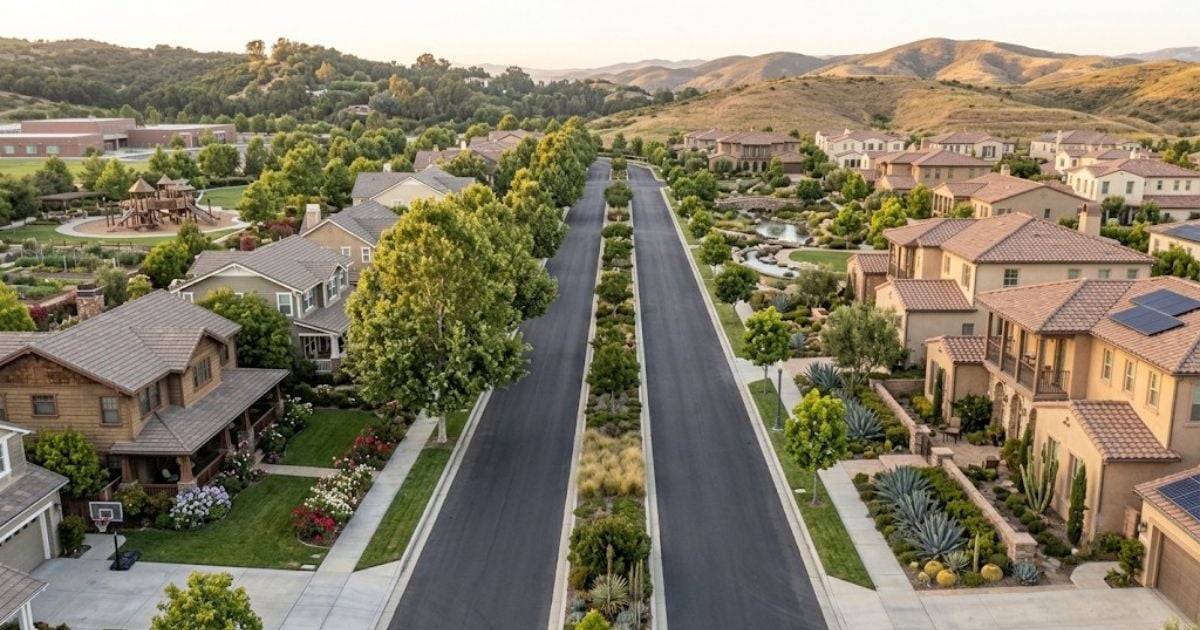
When evaluating property in Southern California, understanding local environmental patterns is just as crucial as reviewing property taxes or HOA documents. The weather and climate in Irvine, CA directly influence daily routines, utility expenses, and long-term home maintenance requirements. Buyers often assume the entire region shares identical coastal conditions, but this inland city features its own distinct microclimate.
Moving slightly inland from the Pacific Ocean creates noticeable shifts in daily temperature swings and seasonal wind patterns. Preparing for these local variations helps property owners budget accurately for summer cooling and landscape irrigation. Knowing exactly what to expect from the skies above Orange County ensures a smoother transition into your new home.
Understanding the Mediterranean Climate of Irvine
Irvine sits firmly within a classic Mediterranean climate zone, marked by long, warm summers and relatively brief, mild winters. Residents enjoy over 280 sunny days per year, making outdoor living spaces a highly utilized extension of the home's square footage. The area receives roughly 12 to 14 inches of precipitation annually, with the vast majority of rain falling between November and March.
Buyers can confidently invest in properties with extensive outdoor footprints because the threat of severe weather is exceptionally low. The region lacks the strong tornadoes, hurricanes, and measurable snow that dictate building codes in other parts of the country. This predictable baseline allows homeowners to focus on optimizing their patios and pools rather than preparing for catastrophic storm seasons.
Average Summer and Winter Temperatures
Peak summer heat typically arrives in July and August, pushing average daytime highs to around 84 to 85 degrees Fahrenheit. Fortunately, relative humidity drops to approximately 45 percent during these hotter months, keeping the heat manageable and comfortable in shaded areas. Checking a 10-day weather forecast during the summer usually reveals a steady, unbroken string of sunny days with minimal day-to-day variance.
Winter conditions are remarkably mild, with December and January daytime temperatures often hovering in the upper 60s. Nighttime temperatures drop significantly during these months, occasionally reaching average lows of 41 to 45 degrees. This reliable temperature band eliminates the need for intensive seasonal property winterization or heavy winter wardrobes.
Rainfall, Wind, and the Coastal Marine Layer
Mornings in Irvine often feature the famous coastal marine layer, bringing low clouds and fog that typically burn off for a sunny afternoon. Because the city sits slightly inland from the coast, it experiences wider daily temperature swings than immediate beachfront communities. A quick glance at the hourly weather often shows cool, overcast mornings transitioning rapidly into warm, clear afternoons.
Autumn and winter introduce the Santa Ana winds, which push dry desert air toward the coast and elevate local temperatures. These gusts can occasionally exceed 40 mph, creating elevated fire risks for hillside communities and drying out landscaping quickly. A dedicated home weather station helps many residents track these sudden humidity drops, allowing them to adjust their irrigation schedules accordingly.
How Weather Shapes Irvine Real Estate and Home Features
The consistent sunshine across Orange County heavily influences local architectural trends and overall property valuations. Homes designed with seamless indoor-outdoor living spaces, such as disappearing glass walls and covered California rooms, command premium prices on the market. Median real estate prices frequently range from $1,200,000 to over $2,600,000, with buyers prioritizing lots that maximize afternoon shade and sunset views.
This climate also dictates specific maintenance routines that new buyers must factor into their monthly budgets. Pool chemistry depletes faster due to the daily cycle of morning marine moisture and intense afternoon heat, requiring diligent upkeep. Buyers must anticipate higher summer cooling costs and HOA dues - typically running between $150 and $400 per month - to maintain these community pools and landscaped parks.
Property Types in Woodbury, Turtle Rock, and Beyond
Master-planned villages across the city optimize their specific housing stock to take advantage of the Southern California climate. Builders have tailored the infrastructure in each neighborhood to manage sun exposure and harness natural breezes.
- Turtle Rock features large single-family residences and luxury hillside estates designed with expansive windows to capture scenic views and natural cross-breezes.
- Woodbury offers a mix of condos, townhomes, and detached properties built around central community pools, covered patios, and shaded outdoor kitchens.
- Woodbridge incorporates central lakes and beach clubs into its 1,700-acre footprint, utilizing the natural breezes off the water to moderate immediate neighborhood temperatures.
Energy Efficiency and Drought-Tolerant Landscaping
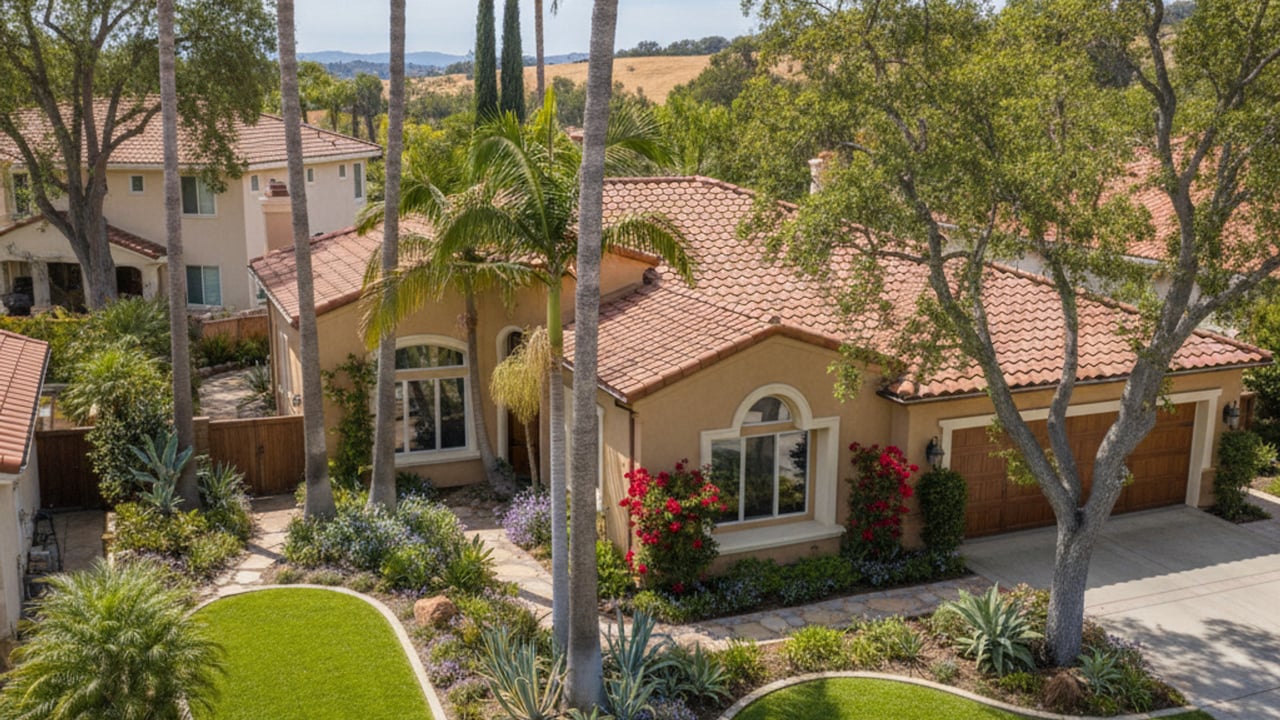
The primary dry season stretches from May to October, driving a massive shift toward sustainable home features and water conservation. Many property owners have replaced traditional grass with drought-tolerant succulents and artificial turf to mitigate high water bills. Smart irrigation systems equipped with weather sensors are now standard, automatically adjusting watering schedules based on recent precipitation.
Solar panels and high-efficiency HVAC units are increasingly common upgrades designed to offset peak summer electricity usage. Buyers highly value homes with these pre-installed efficiency upgrades, as paid-off solar can immediately offset hundreds of dollars in monthly utility expenses. Professional property inspections play a crucial role in evaluating this HVAC efficiency before the peak summer heat arrives.
Year-Round Lifestyle and Outdoor Amenities
The predictable, favorable climate supports a highly active, outdoor-centric lifestyle and provides remarkable infrastructure stability. Residents take full advantage of up to 14.4 hours of daylight during peak June weeks to utilize world-class parks and golf courses. The mild winters allow for uninterrupted recreational sports leagues, cycling routines, and trail access during any month of the year.
The high cost of housing in Irvine is directly subsidized by the ability to utilize public and HOA-funded outdoor spaces 365 days a year without weather disruption. Municipal infrastructure rarely suffers from deep freezes or widespread storm damage, maintaining a clean and operational environment citywide. This consistent access to well-maintained amenities remains a primary draw for buyers relocating from harsher climates.
Orange County Great Park and Open Space Trails
The local climate allows for heavy, year-round utilization of the city's extensive network of parks and paved trails. Several key destinations highlight how the city integrates its outdoor infrastructure with the accommodating weather.
- Orange County Great Park is a massive 1,300-acre facility featuring a 194-acre sports complex, soccer stadiums, and an iconic tethered balloon ride.
- William R. Mason Regional Park offers extensive shaded trails and a large lake, providing a cooler micro-environment for afternoon walks.
- Jeffrey Open Space Trail provides a comprehensive, paved path system connecting multiple villages, allowing for miles of cycling without crossing major vehicular intersections.
Commute and Infrastructure Impact
The complete absence of snow and ice results in highly predictable driving conditions along the I-405 and I-5 freeways. Average commute times hover around 20 to 25 minutes, with traffic patterns rarely disrupted by severe weather events. The dry, mild roads reduce the wear and tear on vehicles compared to regions that rely on heavy winter road salt.
Proximity to the University of California, Irvine encourages year-round walking and biking for university attendees and staff. Dedicated bike lanes remain clear and usable through the winter, supporting alternative transportation options across the city. This reliable infrastructure network adds significant practical value to the daily routines of local residents.
Frequently Asked Questions
What is the weather like in Irvine, CA year-round?
Irvine features a Mediterranean climate with warm, dry summers and mild, slightly wetter winters. Residents experience over 280 sunny days annually and average daytime highs of 85 degrees in August. The coastal marine layer frequently brings cool morning cloud cover that burns off by the afternoon.
How often does it snow in Irvine?
The city receives zero inches of annual snowfall. Winter temperatures rarely drop below 41 degrees at night, keeping precipitation strictly as rain. The lack of snow eliminates the need to winterize homes or manage icy driveways.
What are the pros and cons of living in Irvine regarding the climate?
The primary advantage is the ability to utilize outdoor amenities and recreational trails 365 days a year. The main drawback involves managing high summer cooling costs and maintaining landscaping during the long dry season from May to October. Many buyers install solar panels and drought-tolerant plants to offset these specific environmental challenges.
Climate is one of the reasons families settle here, but it is rarely the deciding factor on its own. If you are weighing buying a home in Irvine, the village you choose will shape your commute, your school assignment and your monthly costs far more than the weather will.
Our Irvine neighborhood guide compares the villages side by side.