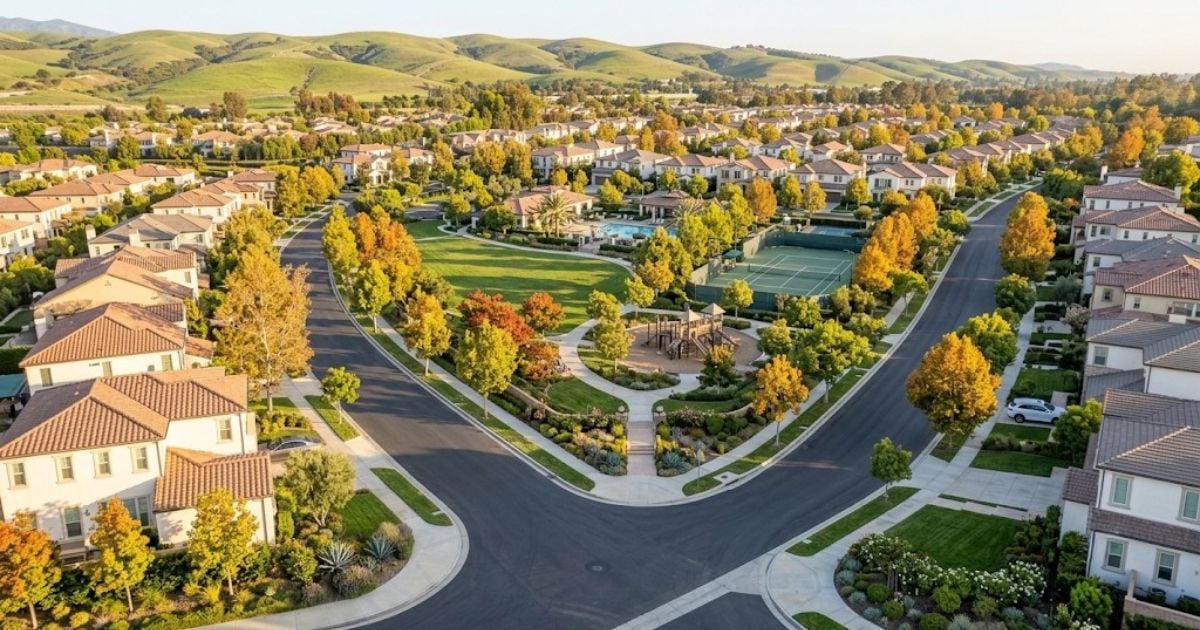
When evaluating real estate in Orange County, California, understanding the daily travel logistics is just as critical as analyzing property values. Irvine sits at a major geographical crossroads, making it a highly strategic location for regional accessibility. Buyers often weigh their housing options heavily based on how long they will spend on the road each morning.
The reality of Southern California traffic means that distance alone rarely tells the whole story. A ten-mile drive can take drastically different amounts of time depending on the route, the time of day, and the direction of travel. Accurately assessing commute times from Irvine CA ensures that buyers make informed decisions about where to settle within the city.
With recent infrastructure updates and shifting workplace trends, the daily drive looks different today than it did just a few years ago. Factoring in hybrid schedules, toll road access, and transit alternatives provides a complete picture of local mobility. Knowing these details helps buyers choose a neighborhood that aligns with their professional commitments.
Average Driving Times to Major Employment Hubs
For many professionals, the daily drive into Los Angeles remains a primary consideration when relocating to Irvine. Off-peak travel to Downtown Los Angeles typically takes a manageable 45 to 55 minutes via the I-5 North. However, the average commute time stretches significantly during the morning and evening rush hour.
During peak travel windows, drivers should expect that same Los Angeles trip to take anywhere from 70 to 100 minutes. The heavy northbound flow in the morning dictates a much earlier departure for those needing to reach LA offices by 8:00 AM. This significant variance highlights why proximity to freeway on-ramps adds distinct value to certain Irvine properties.
The rise of remote work and hybrid schedules has softened the impact of these longer drives for many residents. A commuter who only needs to make the trip to Los Angeles twice a week often finds the longer travel time an acceptable trade-off. For those working closer to home, the regional travel picture is completely different.
Local Orange County Travel: Santa Ana and Costa Mesa
Navigating within Orange County offers a much more streamlined experience compared to the Los Angeles trek. Traveling from Irvine to Costa Mesa, California usually requires a quick 10 to 20-minute drive via SR-55 or local surface streets. The average commute into neighboring Santa Ana follows a very similar timeframe.
Reaching Anaheim, California takes slightly longer but remains highly accessible for daily travel. These shorter drives contribute heavily to the area's strong real estate demand among local professionals. A reliable 15-minute travel time makes balancing work and personal commitments significantly easier.
Public Transportation Options at Irvine Station
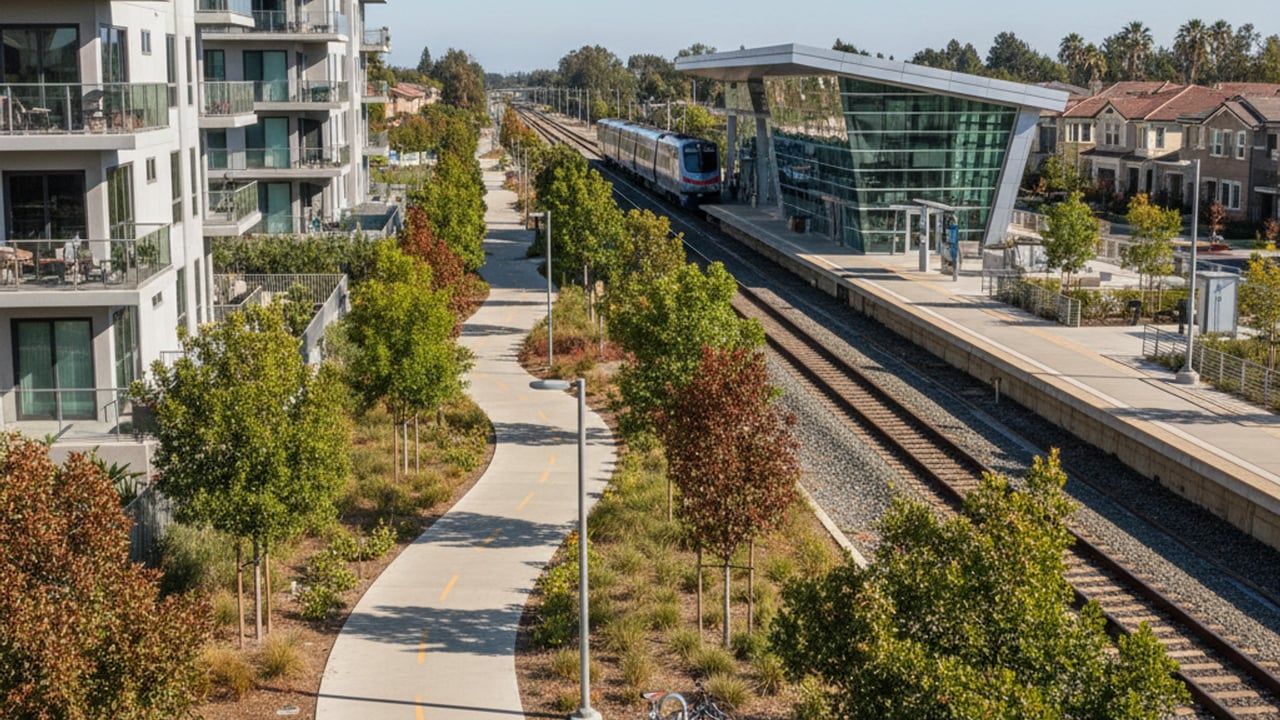
While Southern California is famous for its car culture, public transport provides a highly effective alternative for regional travel. The Irvine Station serves as a major transit hub, connecting residents to the broader rail network. Utilizing these services allows commuters to bypass freeway congestion entirely during peak hours.
The Metrolink (California) Orange County Line offers direct service to LA Union Station, with the trip taking approximately 75 minutes. This consistent travel time makes the train an incredibly attractive option compared to the unpredictable 100-minute rush hour drive. Train frequencies are robust, bolstered by the Amtrak Pacific Surfliner schedule which provides additional peak-hour service.
Local connectivity around the station has also seen significant improvements recently. The July 2025 expansion of the free Irvine CONNECT shuttle network dramatically increased access between residential areas and the transit center. Combined with Orange County Transportation Authority bus routes, residents have multiple ways to reach the station without parking a vehicle.
Active commuting is another growing trend for those living within a few miles of the transit hub. An increasing number of residents use a bike to reach the station, taking advantage of the city's extensive network of dedicated trails. This multimodal approach makes living slightly further from the freeway a viable option for a daily commuter.
Navigating Freeway Access and Traffic Patterns
Understanding the primary arteries that intersect Irvine is essential for mastering the local commute. The I-405 and I-5 serve as the primary non-toll corridors, running parallel through the city before merging to the north. These two freeways carry the bulk of regional traffic and are the focal points for daily congestion.
The SR-55 freeway provides critical access toward the coast and connects Irvine to neighboring inland cities. Traffic on these main routes follows a highly predictable directional pattern, with severe northbound congestion in the mornings and heavy southbound volume in the evenings. Buyers should carefully evaluate which side of these major interchanges a property sits on to avoid unnecessary delays.
For those willing to pay for convenience, the local toll road network offers a massive advantage. Buyers often target a specific ZIP Code simply because it provides immediate access to the SR-73 or SR-261 bypass routes. Utilizing these paid options can easily shave 20 minutes off an average commute during peak travel times.
Property Values and Proximity to Transit Hubs
The convenience of a short commute directly influences real estate pricing across the city. Properties located within a tight radius of the Irvine Station or major freeway on-ramps consistently command a premium on the open market. Buyers are often willing to pay more upfront to secure a home that minimizes their daily travel time.
As of early 2026, the median home price in the city sits between $1,500,000 and $1,600,000. Homes situated in neighborhoods with immediate access to the I-405 or the SR-73 toll road often price at the higher end of this spectrum. The time saved on a daily basis translates directly into tangible property value.
Buyers must also factor in the differences between housing types when calculating the overall cost of living in Irvine. Opting for a condominium near the transit center might offer a lower purchase price compared to a single-family home. However, buyers must account for monthly HOA fees, which are standard across most attached-home communities in the area.
Frequently Asked Questions
Is 27 minutes a long commute to work in Irvine?
A 27-minute drive is considered highly manageable and falls well within the standard average commute time for Orange County. This duration typically covers travel to adjacent cities like Costa Mesa or Anaheim during moderate traffic. Compared to the 90-minute trek to Los Angeles, a commute under half an hour is generally viewed as excellent.
What is the best way to get around Irvine without a car?
The most efficient transportation options without a personal vehicle involve combining the Irvine CONNECT shuttle with the local trail system. Residents frequently use an e-bike to navigate the extensive paved paths connecting residential zones to commercial centers. For longer trips, the Orange County Transportation Authority provides comprehensive bus routes throughout the city.
Are commute times from Irvine to San Diego manageable?
Driving to San Diego takes approximately 80 to 100 minutes depending on I-5 South traffic conditions. Many professionals who make this trip regularly opt for the Amtrak Pacific Surfliner instead of driving. The train provides a productive, stress-free alternative that drops passengers directly into downtown San Diego.
Commute times change noticeably depending on which part of the city you live in. Our guide to where to live in Irvine compares the villages by drive time as well as by schools and price.