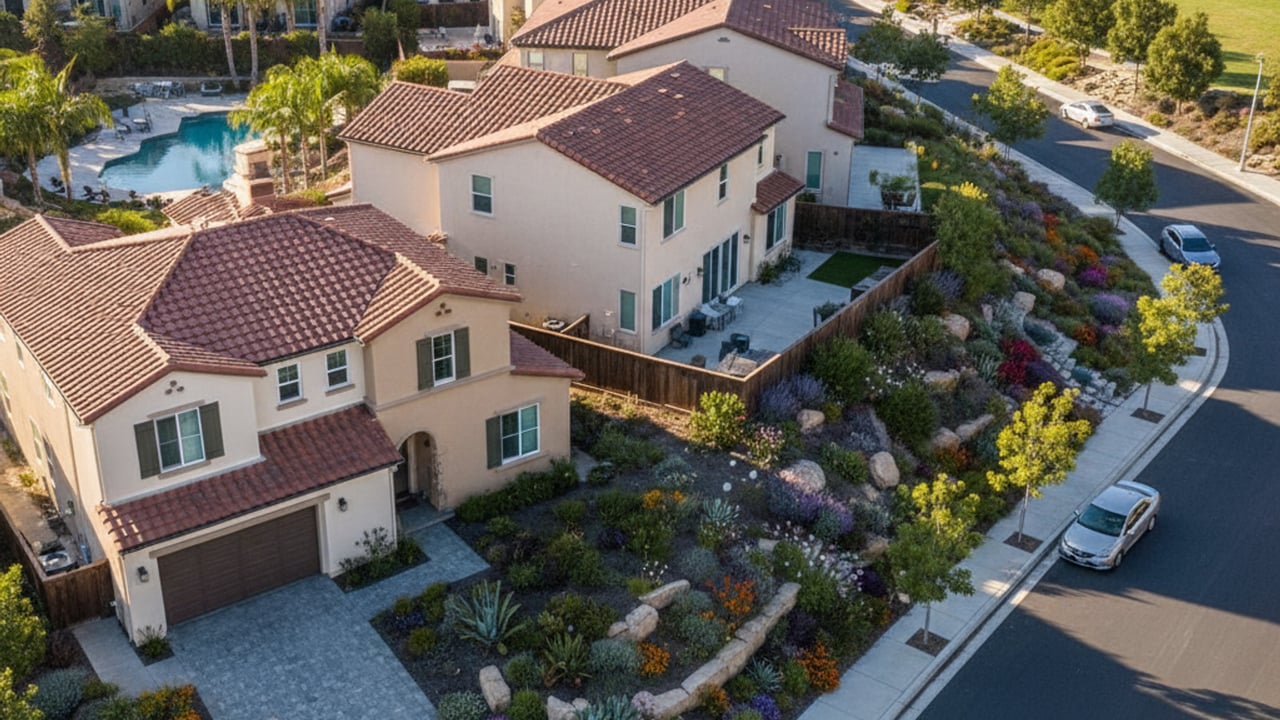
Relocating to Orange County requires a clear understanding of local expenses, especially in a highly sought-after market. Buyers and renters evaluating the cost of living in Irvine, CA, quickly discover that the city operates on a different financial baseline than much of the country. This premium reflects the meticulous civic planning and extensive infrastructure that define the area.
Preparing for a move in 2026 means looking closely at how housing, transportation, and daily expenses will impact your overall budget. While the financial barrier to entry is substantial, residents gain access to top-tier amenities, expansive park systems, and a robust local economy. Knowing exactly what to expect from these costs helps you make a confident, informed real estate decision.
The True Cost of Living in Irvine, CA in 2026
Irvine consistently ranks as a premium real estate market with expenses that outpace most national benchmarks. The overall cost of living index here sits approximately 43% to 64% above the national average. This elevated baseline is a direct reflection of the city's master-planned design and high demand.
Housing is the undisputed primary driver of these high costs, heavily outweighing everyday expenses like groceries or utilities. When you remove property prices and rent from the equation, daily consumer goods align much closer to standard California pricing. Buyers should build their budgets around shelter costs first before factoring in lifestyle expenses.
The high price tag comes with a clear tradeoff that many residents find worthwhile. The premium pays for meticulously maintained neighborhoods, extensive trail networks, and a highly stable local economy. Paying more to live here secures a specific, highly structured environment that few other cities can replicate.
Housing Costs: Buying vs. Renting
The local real estate market in 2026 remains highly competitive, driven by tight inventory and sustained buyer demand. Whether you are looking to purchase a detached property or lease an apartment, securing a home requires decisive action and strong financial preparation. Properties frequently receive multiple offers within days of hitting the market.
Choosing between buying and renting often comes down to long-term plans and available capital for a down payment. Purchasing offers fixed monthly payments and equity growth, but it requires navigating complex local tax structures. Renting provides flexibility and lower upfront costs, though tenants face consistent annual lease increases.
Irvine Real Estate Market and Home Prices
The median home price currently sits at roughly $1,598,000, reflecting the intense demand for properties in this region. Buyers must act quickly, as the fast-paced days on the market mean desirable homes rarely linger. Beyond the purchase price, almost every village in the city requires mandatory HOA fees.
These HOA fees frequently range from $250 to over $500 per month, covering the upkeep of community pools, parks, and exterior landscaping. Buyers must also account for Mello-Roos, which are special tax assessment districts that fund local infrastructure. These additional monthly carrying costs significantly impact mortgage qualification thresholds.
Average Apartment Rent by Neighborhood
For those choosing to lease, the average overall rent hovers roughly between $3,000 and $3,200 per month. A standard one-bedroom apartment averages around $2,900, while two-bedroom units easily exceed $3,600. Move-in costs typically include a standard security deposit equal to one month's rent, plus application and processing fees.
Rental pricing fluctuates noticeably depending on the specific neighborhood and building amenities. Dense, amenity-heavy areas like the Irvine Business Complex often command higher premiums for high-rise conveniences and proximity to corporate offices. In contrast, established villages like Woodbridge offer slightly different pricing structures with more traditional low-rise layouts.
Daily Living Expenses in Orange County
Once housing is secured, regular monthly costs in Orange County become much easier to manage. While the real estate market is a major outlier, other daily expenses align more closely with general California averages. Budgeting for groceries, utilities, and healthcare requires standard state-level expectations rather than extreme local premiums.
Grocery store pricing varies widely depending on where you choose to shop within the city. Premium organic markets charge top dollar, but standard regional supermarkets offer competitive pricing for everyday pantry staples. Local healthcare service costs also reflect standard regional rates, with numerous medical centers providing accessible care.
Utility Costs and Property Taxes
Maintaining a home requires a clear understanding of utility baselines and local tax obligations. Basic utility bills average $150 to $250 per month depending on usage, property size, and seasonal climate shifts. Newer developments often feature advanced energy-efficient designs that can help mitigate some of these monthly utility expenses.
Property taxes are a significant ongoing expense that buyers must calculate accurately. The base property tax rate in California is roughly 1% to 1.25% of the assessed value.
Local assessments and special districts frequently increase the effective tax rate. Homeowners should anticipate the following standard utility and tax components:
- Electricity and natural gas services managed by regional providers.
- Water and trash collection fees billed through local municipal districts.
- High-speed internet services averaging $70 to $90 monthly.
- Supplemental property tax bills issued during the first year of ownership.
Transportation and Commuting Costs
Navigating Southern California requires reliable transportation, and this area relies heavily on personal vehicles. Car ownership is practically a necessity for accessing regional employment hubs, shopping centers, and entertainment venues. While the city features excellent road infrastructure, the costs of maintaining a vehicle add up quickly.
Commuters benefit from direct proximity to major routes, including the I-405, I-5, and the CA-73 toll road. Using the toll roads saves significant time during rush hour, but requires an active transponder account and regular toll payments. Drivers must also budget for local gasoline prices, which consistently rank among the highest in the country.
Auto insurance premiums vary based on your specific zip code, driving history, and vehicle type. For those who prefer to avoid driving, local public transit options are available but somewhat limited in scope. Monthly public transit passes cost roughly $70, providing access to regional bus lines and commuter rail stations.
Local Economy, Salaries, and Master-Planned Amenities
Sustaining a comfortable lifestyle in this market requires a strong income to offset the elevated living expenses. The median household income is approximately $145,000 to $152,000, reflecting the high-earning demographic of the region. High local wages are essential for residents to comfortably manage housing costs while still enjoying local amenities.
The local job market is exceptionally strong, anchored by major employers in the technology, medical, and education sectors. This robust economic foundation provides stability and frequent career advancement opportunities for local professionals. A thriving corporate sector helps ensure that property values remain insulated during broader economic shifts.
Residents pay a premium to live near major institutions like the Irvine Unified School District, the Irvine Spectrum Center, and the Orange County Great Park. Access to these highly-rated amenities and educational facilities bolsters property values and drives sustained housing demand. The financial investment of living here directly translates into a highly structured, amenity-rich daily experience.
Frequently Asked Questions About Irvine Living Costs
Is Irvine, CA more expensive than San Diego?
Yes, housing costs generally make this city more expensive than the broader San Diego area. While everyday expenses like groceries and gas are similar, median home prices and rent are noticeably higher in Orange County. Buyers should expect to pay a premium for the master-planned infrastructure.
What is a good salary to live comfortably in Irvine, CA?
A household income between $145,000 and $152,000 is typically considered the baseline for a comfortable lifestyle here. This salary range allows residents to manage a $3,000 average monthly rent or a substantial mortgage while covering daily expenses. Earning above this threshold provides more flexibility for savings and entertainment.
Does the cost of living in Irvine include housing and rent?
Yes, standard cost of living calculations heavily factor in both property purchase prices and monthly rental rates. Because the median home price is roughly $1,598,000, shelter is the largest single variable in the local index. Everyday expenses like utilities and groceries make up a much smaller percentage of the total metric.
Housing is the biggest line in any cost of living comparison, and it is the one you have the most control over. Our guide to what it costs to buy in Irvine breaks it down by village.