Irvine, CA sits in the center of Orange County and has grown fast - faster than most people realize. The city's population is now roughly 318,693, which makes it the 14th-largest city in California, and buying a home in Irvine, CA means entering a rapidly expanding community.
If you're looking at homes here, you're looking at a high-demand market where median sale prices are hovering around $1.52 million. That's the central tension with Irvine: you're weighing steep housing costs against real proximity to major Southern California employment centers and a genuine suite of local amenities. Neither side of that equation is small.
The Quick Verdict on Living in Irvine, CA
The U.S. Census Bureau puts Irvine's median household income at roughly $145,731 - and that figure isn't coincidental. It tracks closely with what it costs to live here, since both rent and purchase prices sit well above national averages.
The city covers 65.6 square miles, which works out to a population density of about 4,857 people per square mile. That's the structural reality behind every commute question you'll have - you're in Southern California, and the highway system is what connects you to everything else.
Advantages to Consider
Irvine's location within the Los Angeles-Long Beach-Anaheim metropolitan area is genuinely useful. Downtown Los Angeles is about 36 to 40 miles away, and when traffic cooperates, that's a 40- to 45-minute drive.
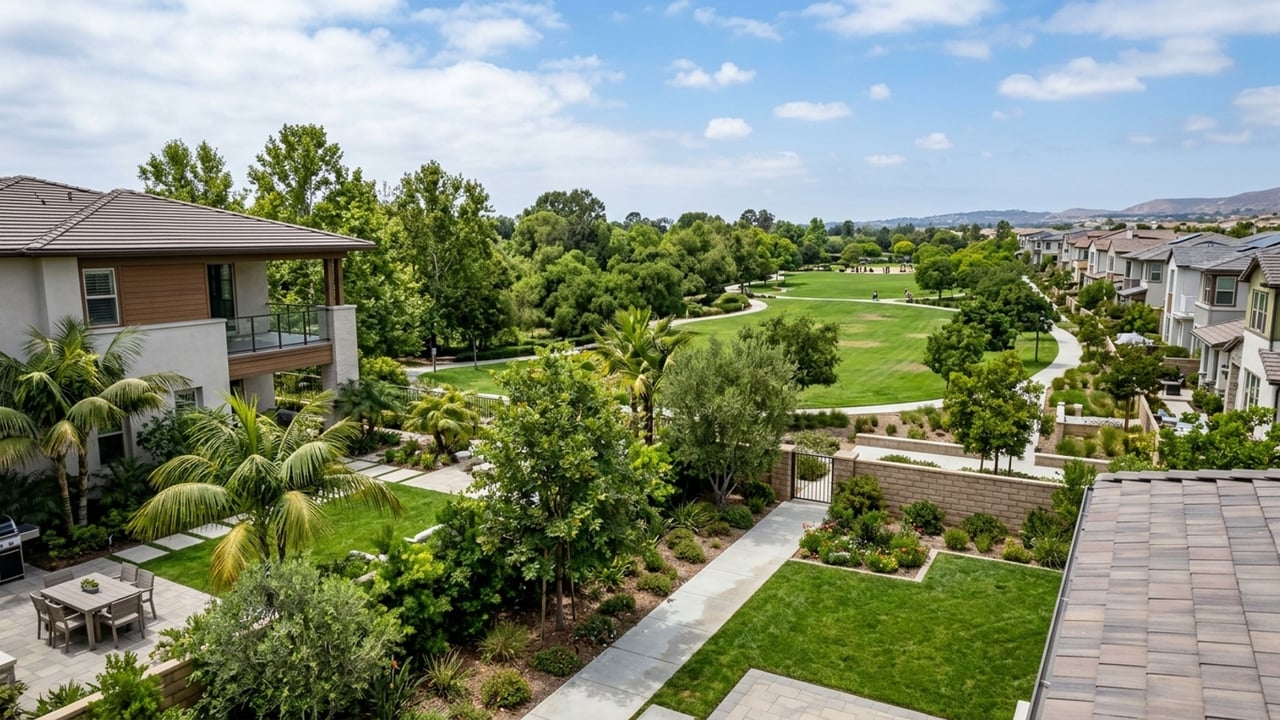
The parks and community spaces throughout the planned neighborhoods are extensive - this isn't a city that skimped on green space. Published crime statistics also show rates lower than the national average, which tends to come up early in most buyers' research.
Drawbacks
The cost of entry is the issue most buyers run into first. Median sale prices exceed $1.5 million, and homes are spending an average of 53 days on the market - so there's some negotiating room, but not unlimited inventory to fall back on.
Renters aren't insulated either, with median monthly rents approaching $2,900. And the highway dependency is real: peak-hour traffic adds meaningful time to any commute, every single day.
Where Is Irvine and What County Is It In?
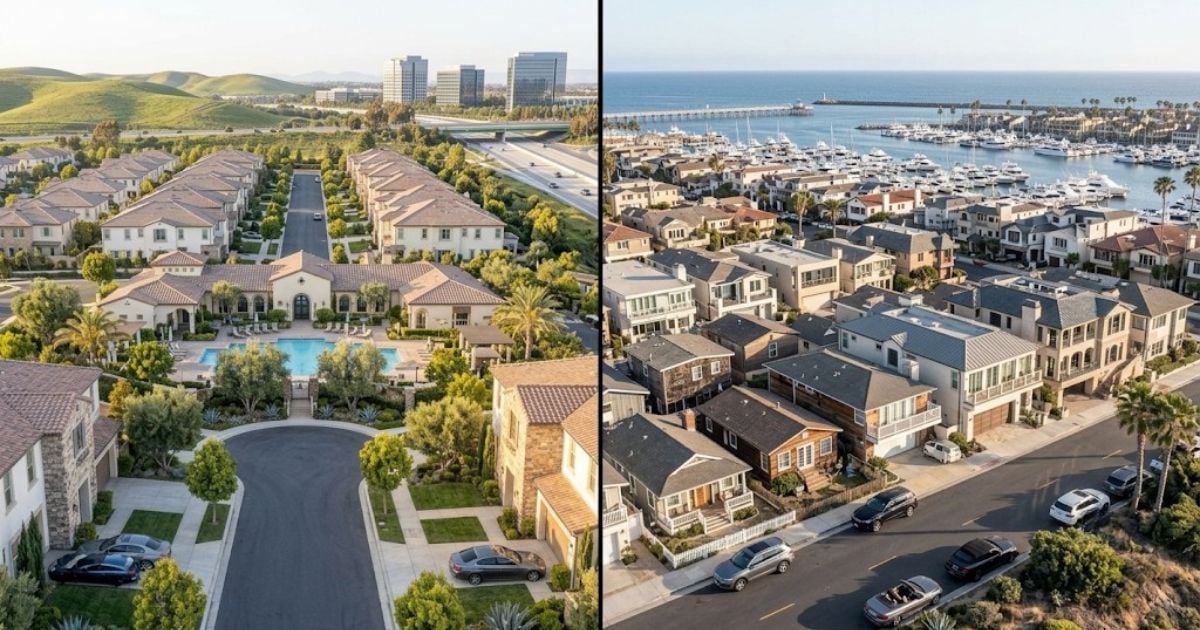
Irvine is in Orange County, California, positioned centrally between Los Angeles and San Diego. The city has grown 49.3% since 2010 - that's not a typo - which has pushed it from quieter suburb into a legitimate regional economic hub. Its footprint covers over 65 square miles and takes in a mix of residential villages, commercial centers, and open space.
Proximity to Los Angeles
Irvine is part of the broader Los Angeles-Long Beach-Anaheim metropolitan area, but it has its own distinct municipal identity. Downtown Los Angeles sits roughly 36 to 40 miles to the northwest, and most commuters use Interstate 5 or Interstate 405 to get there.
Without traffic, that's a 40- to 45-minute drive. Rush hour is a different conversation.
Population and Footprint
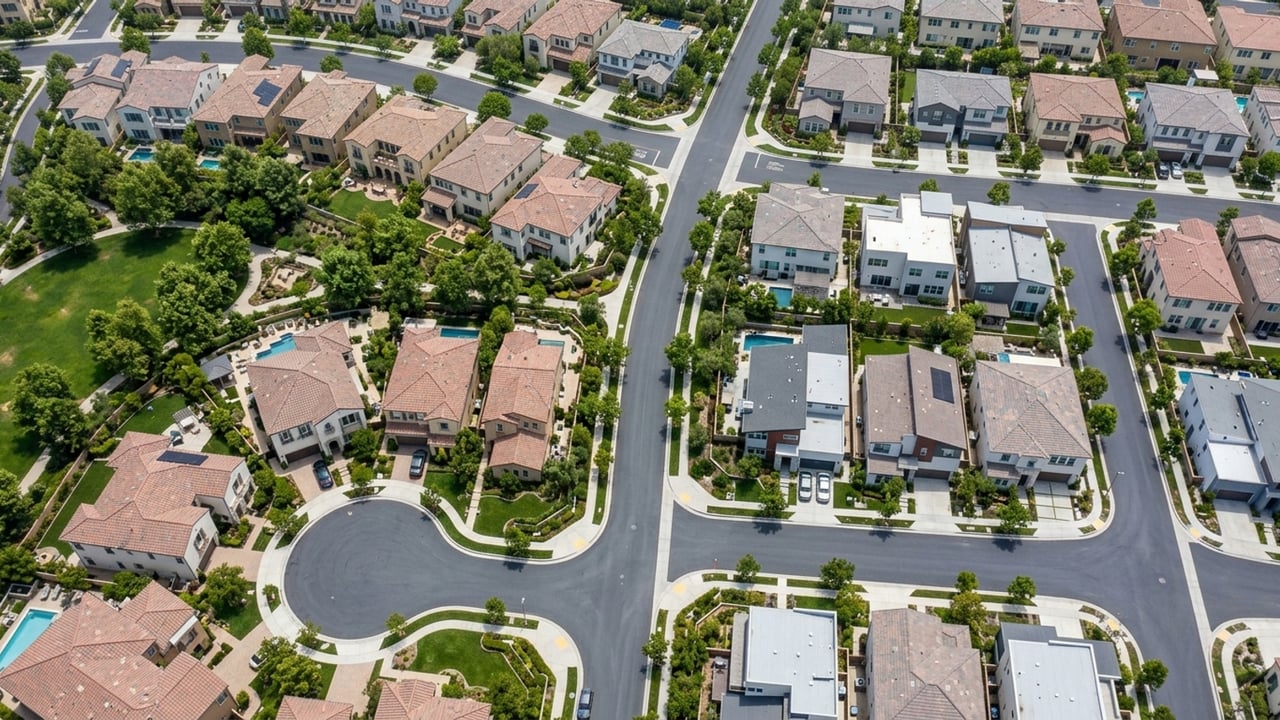
The city's 318,693 residents are spread across distinct residential villages, and Census Reporter data puts the population density at about 4,857.1 people per square mile. That's noticeably lower than the more congested parts of the LA metro, which is part of why the roadways feel wider and the green space feels more intentional.
Irvine Crime Statistics: What the Data Says
According to FBI Uniform Crime Report data accessed via HomeSnacks, Irvine's total crime rate is about 1,473.7 per 100,000 people - roughly 30% below the national rate. The violent crime rate from the same dataset is 84.0 per 100,000, which is about 77% below the national rate.
City-Data.com's 2025 crime index places Irvine's crime rate at 78, which is 2.9 times lower than the U.S. average of 228.4. That 2025 figure also represents a 17% drop compared to 2024.
Making Sense of the Crime Rate
Those numbers give you a useful macro view of the municipal area. They don't tell you what's happening on a specific block, because crime can vary from one street to another, and reviewing statistics in the context of the broader Orange County region matters.
Comparing local data against national averages is a reasonable starting point. It's not the finish line.
Researching Specific Areas
For the most current, address-level information, go to primary sources. The local police department maintains public crime maps and portals that track reported incidents by neighborhood, and the county sheriff's office and the FBI's National Incident-Based Reporting System (NIBRS) both offer searchable databases.
Those tools let you evaluate specific addresses against your own standards - which is exactly what you should be doing.
Cost of Living and Housing Prices
Recent MLS data puts the median sale price for a home in Irvine, CA at roughly $1,518,995. There are currently about 865 active listings, representing approximately 4.6 months of supply. Homes are selling at roughly 97.6% of list price, and about 12.5% are closing above asking - which tells you demand hasn't softened much even at these prices.
Buying a Home in Irvine
The current median days on market is 53, which gives buyers a slight window to negotiate. But inventory stays relatively tight, so that window isn't wide. For context, the national average home value is closer to $360,000 - that gap illustrates just how significant the Southern California premium is here.
Beyond the purchase price, you'll want to factor in property taxes, homeowners association dues, and insurance. Many of the master-planned communities in Irvine carry mandatory HOA fees that cover communal landscaping and amenities, and those numbers add up.
Rental Costs and Household Income
If you're not ready to buy, Census-based estimates put the median monthly rent at $2,893. The 2024 American Community Survey estimates the median household income at $145,731 - and that income level isn't arbitrary. It's roughly what you need to comfortably absorb local housing costs alongside everyday expenses.
Population and Community Profile
Irvine's median age is 34.3 years - about 10% lower than California's state median of 37.9, and younger than the broader Los Angeles metro area's median of 39.2. The population is split nearly evenly between 49.2% male and 50.8% female residents, and the mix of students, working professionals, and long-term residents gives the city a varied day-to-day character.
Growth and Age Distribution
Point2Homes breaks down the age distribution using Census data: about 18% of residents are under 15 years old, and another 16.9% fall into the 15 to 24 bracket - partly driven by local university enrollments. The largest segment is the 25 to 44 age group at 31.5%, followed by 22.8% aged 45 to 64, and 10.8% aged 65 and older.
That spread across age groups has helped fuel the city's 49% growth over the past 14 years.
Civic Life and Amenities
The local infrastructure is built around daily use. There's an extensive network of paved trails, public parks, and community centers, plus dining, retail complexes, and entertainment venues within a short drive from most neighborhoods. Those amenities are part of what drives the higher cost of living here - they're real, and people are paying for them.
Irvine vs Nearby Alternatives
Downtown Los Angeles and Irvine are about 36 to 40 miles apart, separated by major highway corridors, and they represent genuinely different ways to live in Southern California. Irvine's median household income sits about 38% higher than the state average, which reflects the economic realities of who the housing market here is built for.
Comparing Commutes and Costs
If you work in the city center, living closer to Los Angeles might cut your commute - but it typically comes with higher population density. Irvine gives you more space per resident, at the cost of that 40-minute drive to downtown LA.
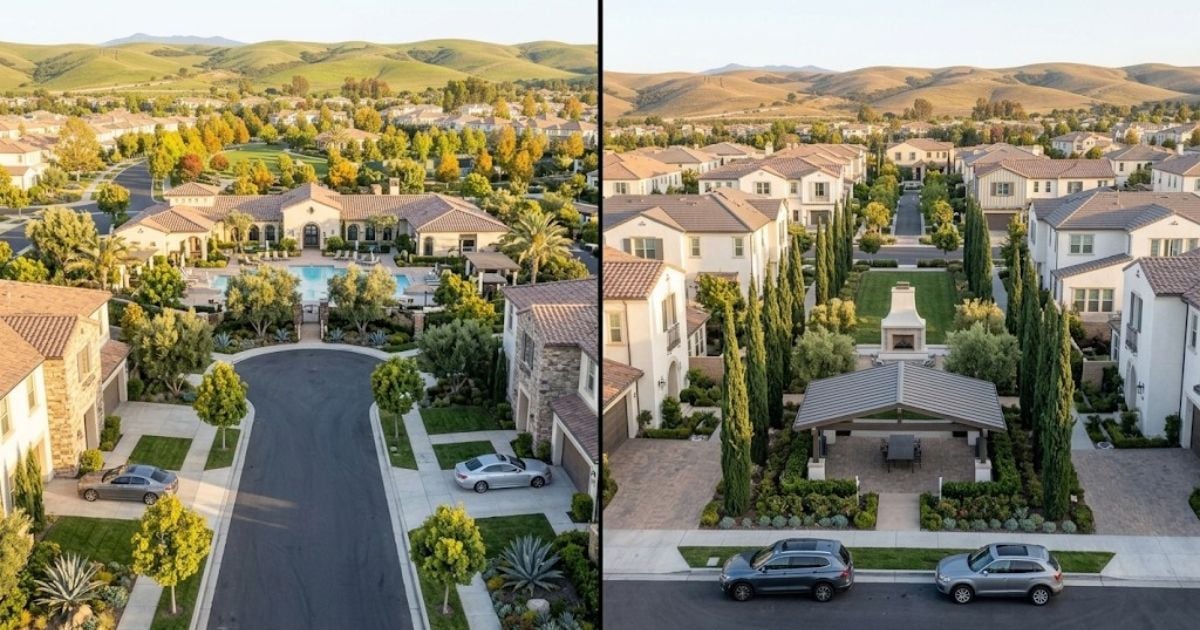
The housing stock is different too. Irvine leans toward modern, master-planned developments built over the last few decades. Los Angeles offers a wider variety - historic homes, denser apartment living, older neighborhoods with more architectural range.
Specialized Housing: Senior, Assisted, and Sober Living
The 10.8% of Irvine's population aged 65 and older has access to dedicated housing options built around different stages of life and recovery. These facilities are integrated into the broader community, keeping residents close to local amenities rather than isolated from them.
If you're researching these properties for yourself or a family member, verifying specific care levels and community rules before committing is essential.
Senior and Assisted Living Communities
Senior living in Irvine, CA covers a range - from independent 55+ communities to full-service assisted living facilities. On-site dining, transportation services, and medical monitoring are common features at the higher end of that spectrum.
Costs for assisted living here tend to mirror the broader market's premium pricing. Touring multiple locations to understand fee structures and available healthcare support before making a decision is worth the time.
Sober Living Environments
Irvine also has established sober living options that provide structured, substance-free housing for individuals transitioning out of rehabilitation programs. These residences vary in their rules, peer support structures, and proximity to outpatient services.
Contact program administrators directly to review intake requirements and house guidelines - the details differ meaningfully from one facility to the next.
Frequently Asked Questions
Is Irvine, CA a good place to live?
Irvine offers strong job access, extensive park systems, and lower-than-average published crime rates. The cost of living is steep, though - median home prices around $1.52 million and monthly rents near $2,900. Whether it works for you depends on whether the local amenities justify that premium against your actual budget.
What are the cons of living in Irvine?
The high cost of housing and everyday expenses is the most prominent drawback. Commuting to major hubs like downtown Los Angeles also means driving through heavy Southern California traffic, which can easily extend a 40-mile drive well beyond what the map suggests.
Is Irvine expensive to live in?
Yes. The area carries a premium cost of living compared to national averages. The median household income is approximately $145,731, and you'll need something in that range to support median home sale prices of over $1.5 million alongside high monthly utility costs.
What do the crime statistics show for Irvine, CA?
According to City-Data.com's 2025 index, the local crime rate is 78 - which is 2.9 times lower than the U.S. average. FBI Uniform Crime Report data shows a violent crime rate of 84.0 per 100,000 people, roughly 77% below the national rate.
How does living in Irvine compare to nearby Southern California alternatives?
Irvine is a master-planned, lower-density environment compared to the denser urban layout of downtown Los Angeles. Homes here are expensive, but the city offers more structured community green spaces. The tradeoff is a longer commute if your job is in LA.
What specialized housing options, like senior or assisted living, are available in Irvine, CA?
The city has numerous 55+ independent communities, assisted living facilities, and structured sober living homes. These properties are designed around the specific needs of their residents while keeping them close to Orange County's medical and retail centers.
Are there strong employment opportunities in Irvine?
The city has grown into a legitimate regional economic hub with close proximity to major Southern California employment centers. The job market in Irvine, CA supports a median household income of roughly $145,731, drawing a steady mix of students and working professionals.
Is Irvine a good place to raise a family?
The city features an extensive network of public parks, paved trails, and community centers throughout its master-planned neighborhoods. These built-in amenities and lower-than-average crime rates create a strong appeal for families in Irvine, which is reflected by the fact that roughly 18% of residents are under 15 years old.