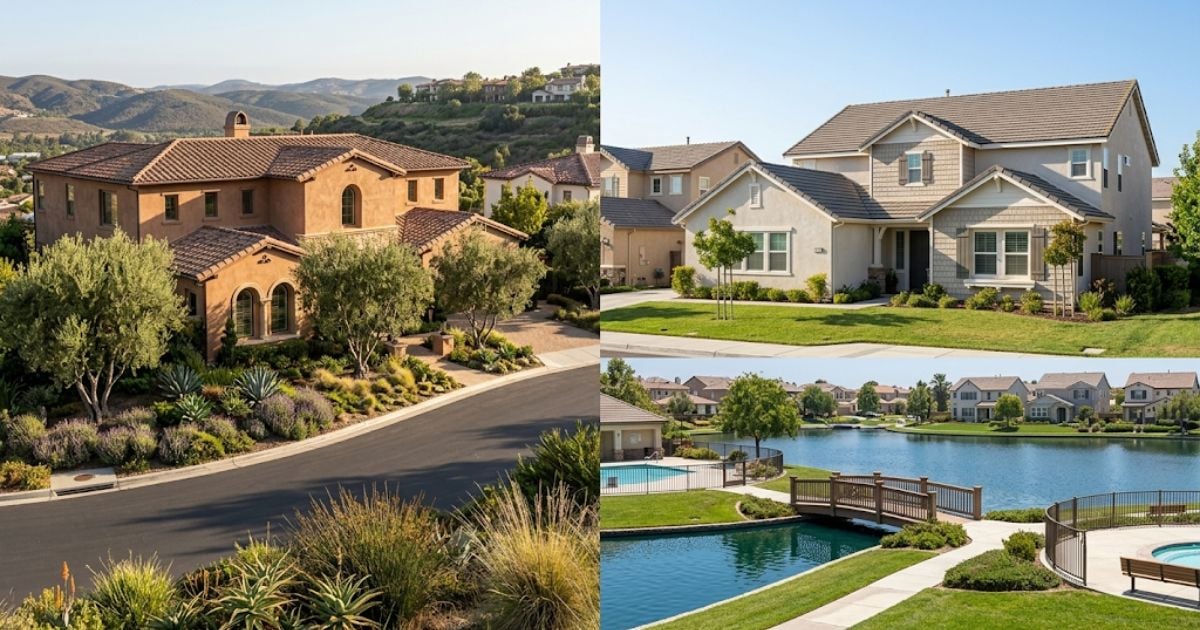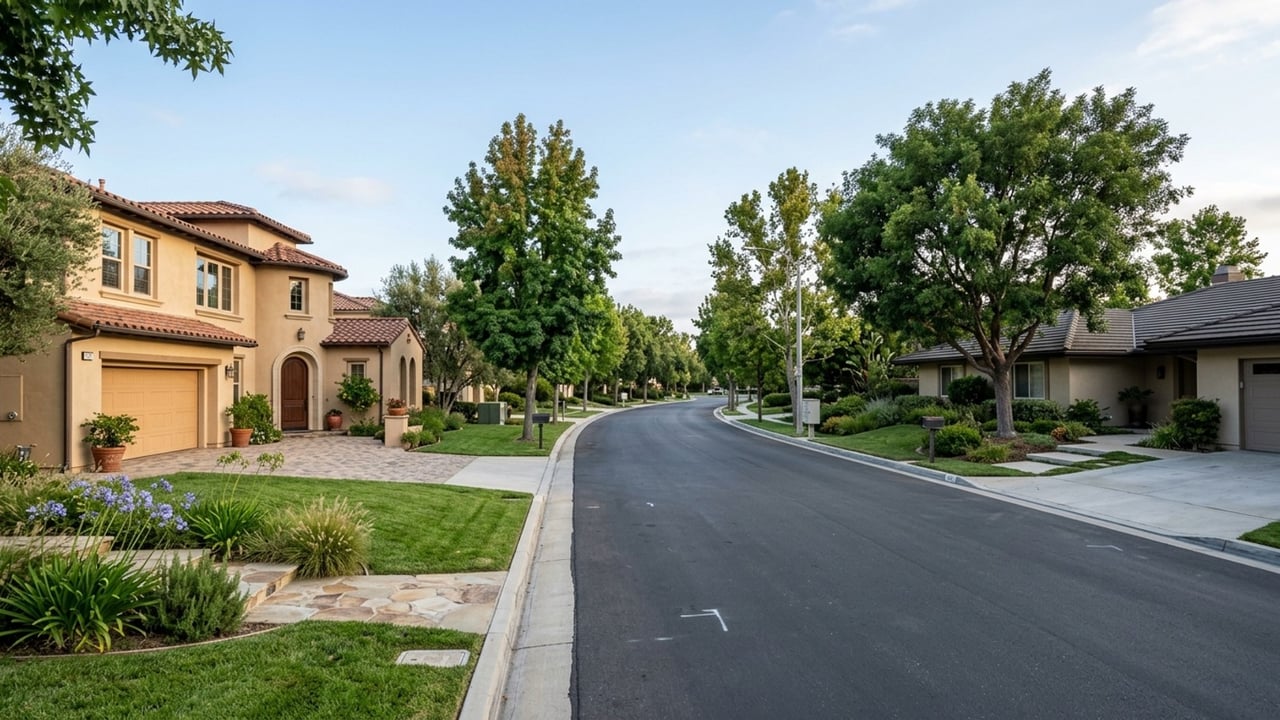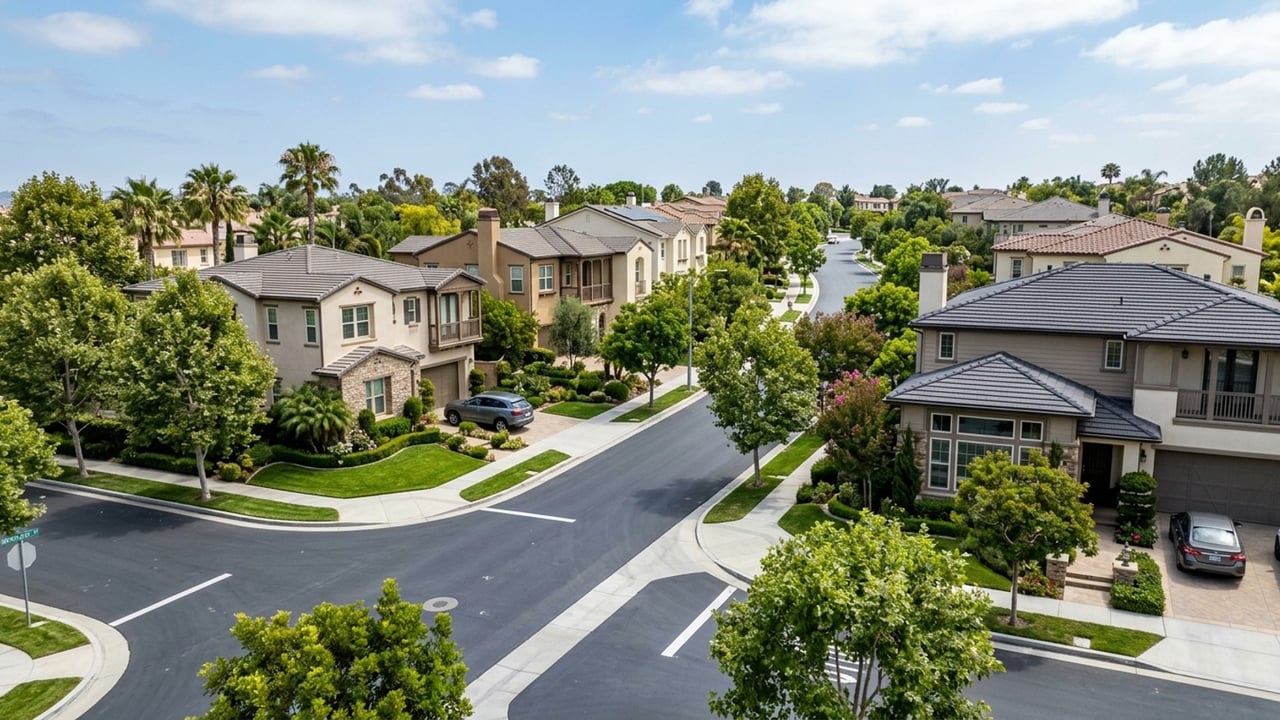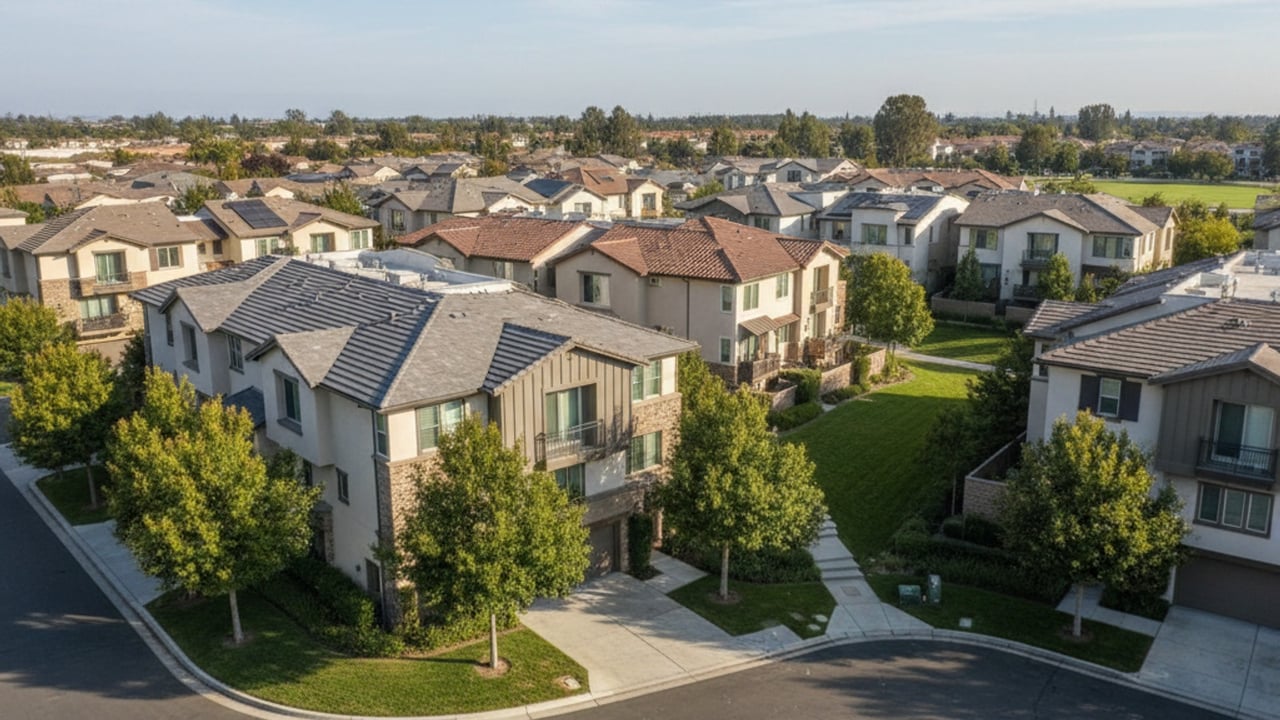
Entering the Orange County real estate market requires serious preparation and localized knowledge. Purchasing a home in this master-planned city means understanding village-specific micro-markets, unique tax structures, and intense buyer competition.
The landscape for first-time home buyers in Irvine, CA, is currently shaped by high demand for entry-level properties. Buyers who succeed in 2026 are those who secure financing early and target specific property types that align with their realistic carrying costs.
Navigating this environment successfully involves more than just browsing listings online. You need a solid grasp of local financing options, strict escrow timelines, and the objective features that drive value across different neighborhoods.
Exploring the 2026 Irvine Real Estate Market for Starter Homes
The current housing landscape in Irvine presents distinct challenges and opportunities for entry-level buyers. Standalone houses often exceed the budgets of those entering the market for the first time. Therefore, condominiums and townhomes serve as the primary entry points for new buyers.
Median listing prices for these attached starter homes are currently hovering around approximately $1,250,000 to $1,300,000. These price points make the market highly competitive, meaning properties rarely sit active on the MLS for long. Established villages like Woodbridge and Oak Creek offer excellent opportunities for finding these entry-level units.
Due to these intense market conditions, you must be financially prepared before you even consider making an offer. Having a rock-solid pre-approval from a reputable lender is absolutely mandatory to get your contract accepted. The clearest takeaway for this market is that hesitation costs you opportunities - buyers must be ready to act decisively the moment a suitable property hits the market.
Down Payment Assistance Programs for Orange County Buyers
Overcoming the initial cash requirement is often the highest hurdle when you want to purchase a home in CA. Fortunately, there are several local and state programs specifically designed to help buyers bridge this gap. Understanding these first-time buyer programs can significantly alter your purchasing timeline and budget.
At the local level, the Orange County Mortgage Assistance Program provides critical support for eligible low-income buyers. This initiative offers deferred simple interest loans of up to approximately $80,000 at a 3 percent interest rate. State-level options from the California Housing Finance Agency, such as the MyHome Assistance Program, provide additional layers of potential funding.
Another major state initiative is the CalHFA Dream For All Shared Appreciation program, which provides up to 20 percent of the purchase price or approximately $150,000. While the 2026 lottery for this specific program closed in March, understanding how shared appreciation works remains crucial for future planning. Relying entirely on state lotteries is a risky strategy - buyers should always explore multiple local avenues for down payment support.
Leveraging the Affordable Housing Clearinghouse
Securing local and state assistance grants almost always requires buyers to complete an approved homebuyer education course. These educational requirements ensure that participants fully grasp the long-term financial commitments they are making. The Affordable Housing Clearinghouse in Orange County serves as an essential resource for meeting these mandates.
This local organization connects buyers with approved lenders and certified educational programs. Completing these courses provides immense value beyond just ticking a compliance box. They help demystify complex mortgage financing structures and provide clarity on estimating your final closing costs.
Budgeting for Irvine Property Taxes, HOAs, and Mello-Roos
Calculating your monthly payment in this city involves much more than just principal and interest. The master-planned structure of Irvine means that nearly every neighborhood carries additional monthly or annual assessments. Failing to account for these localized carrying costs can quickly derail a pre-approval.
Homeowners association fees are a standard reality here, funding community amenities and exterior maintenance for condos and townhomes. You can generally expect these HOA fees to range from approximately $250 to $450 per month. Buyers must also factor in Mello-Roos, which is a special tax assessment used to fund community infrastructure like roads and schools.
Mello-Roos fees are collected alongside standard property taxes and vary dramatically depending on where you buy. Older neighborhoods often avoid them entirely, keeping that line item at $0. In contrast, newer master-planned developments carry significant annual assessments that can range from roughly $1,500 to over $5,400. The ultimate takeaway is that a cheaper home with high Mello-Roos might cost you more monthly than a slightly pricier home in an older village.
Objective Neighborhood Features and School Boundaries
The logistical and educational infrastructure of the city is a major draw for real estate investments. Buyers are consistently attracted to the centralized location within Orange County and the highly structured zoning. Evaluating these objective features helps buyers narrow down which specific villages align with their daily routines.
Commute patterns and educational zoning heavily influence property values across different zip codes. Understanding these parameters is essential for making an informed investment.
-
Major commuting arteries provide direct access to the I-405 and I-5 freeways, facilitating transit to major employment hubs throughout Orange County.
-
Central commercial centers, notably the Irvine Spectrum Center, offer extensive retail, dining, and entertainment infrastructure.
-
The Irvine Unified School District structure dictates strict attendance boundaries, meaning your specific home location determines assignment to institutions like University High or Northwood High.
Buyers must verify school boundary lines directly with the district before submitting an offer. Boundary lines can occasionally shift, and assuming a property feeds into a specific institution based on proximity alone is a critical mistake.
Step-by-Step Purchasing Process in Orange County
Successfully closing on a property requires following a strict, well-documented sequence of events. The California purchasing process moves quickly once a contract is signed. Preparation during the early stages prevents stressful delays during the final transfer of ownership.
The very first step is securing a mortgage pre-approval before you ever begin touring properties. Once financing is verified, you must partner with a knowledgeable local real estate agent who understands specific village nuances. An experienced agent will navigate the MLS effectively and craft a competitive offer that stands out to sellers.
After your offer is accepted, you will enter the standard California escrow period, which typically lasts about 30 days. During this window, you will conduct a thorough home inspection, finalize your loan, and review all disclosures. The process concludes with the payment of the transfer tax, the signing of final closing documents, and the official recording of the deed.
Frequently Asked Questions
What is the first-time homebuyer program in Orange County, CA?
The primary local option is the Mortgage Assistance Program, which provides deferred loans to eligible buyers. This program offers up to approximately $80,000 at a simple interest rate to help cover initial costs. Buyers can also pair local options with state-level CalHFA programs for maximum benefit.
Who qualifies for the $150,000 California grant?
The CalHFA Dream For All program provides up to $150,000, but it is a shared appreciation loan rather than a traditional grant. For the 2026 cycle, applicants must meet specific first-generation buyer requirements and income limits. Participants must also complete mandatory educational courses to qualify for the funds.
How do Mello-Roos fees impact mortgage pre-approval?
Mello-Roos assessments are factored directly into your debt-to-income ratio by lenders. Because these fees can exceed $5,400 annually in newer developments, they significantly reduce your total borrowing power. Buyers must calculate these specific taxes into their monthly carrying costs before making an offer.