The median home price in Irvine sits around $1,540,000 this year, while Huntington Beach follows at roughly $1.4 million. If you are comparing the pros and cons of living in Irvine with other Orange County options, you've probably already put these two on the same shortlist - and then wondered why they feel so different despite being minutes apart.
They are different. Irvine is a master-planned inland city with structured community associations and corporate headquarters around every corner. Huntington Beach is a coastal community built around Pacific Coast Highway access and ocean proximity. Which one fits you comes down to budget, the kind of property you want, and where you're driving every morning.
Housing Market and Home Prices
Orange County inventory stays tight across both cities, and neither Irvine nor Huntington Beach is offering any bargains. In Irvine, there are about 744 active listings right now, with homes sitting on the market roughly 48 days before going under contract - and when they sell, they're closing at about 98.1% of list price. That's not a lot of negotiating room.
Huntington Beach runs a similar story on pricing. Both markets expect offers close to asking, so don't count on a lowball landing anywhere.
Current Home Values in Irvine
As of mid-2026, the median sale price for an Irvine home is approximately $1,540,000 - down about 1.8% year-over-year, though the market isn't slow by any measure. There were 161 sales in a single recent month, buyers have about 4.6 months of supply to work with, and roughly 21% of homes still sell above list price. Come prepared.
Current Home Values in Huntington Beach
Huntington Beach carries a median sale price of approximately $1.4 million, roughly flat to slightly up from the prior year. The coastal location keeps values firm. Available homes in this price range move steadily, so if something catches your eye, don't wait a week to think about it.
Available Property Types and Architecture
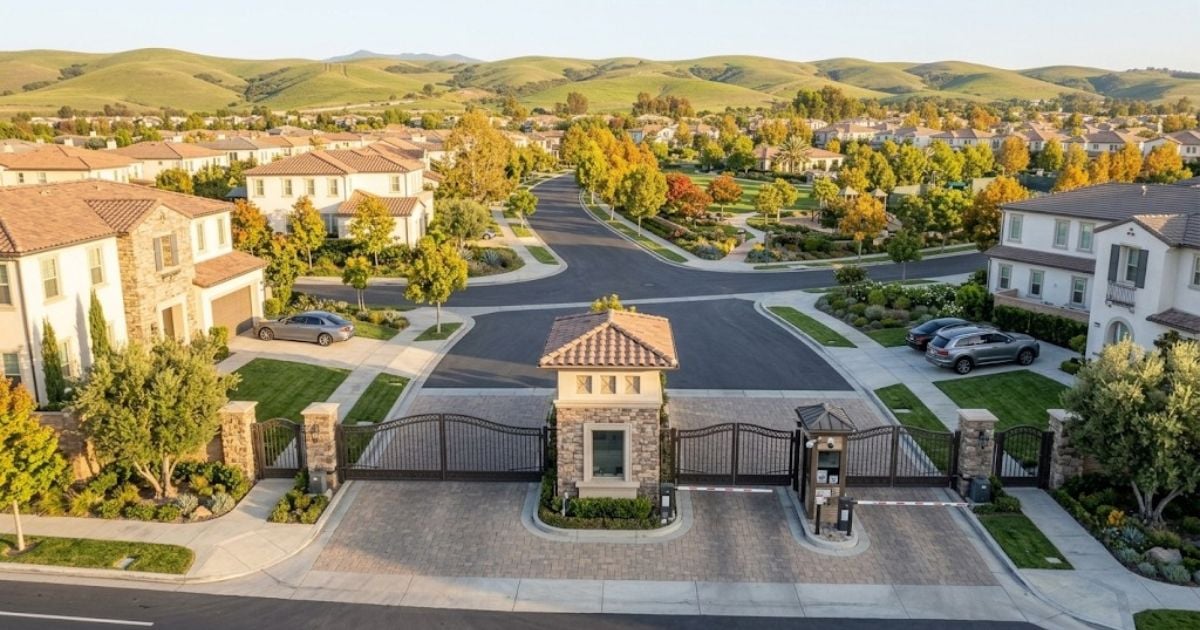
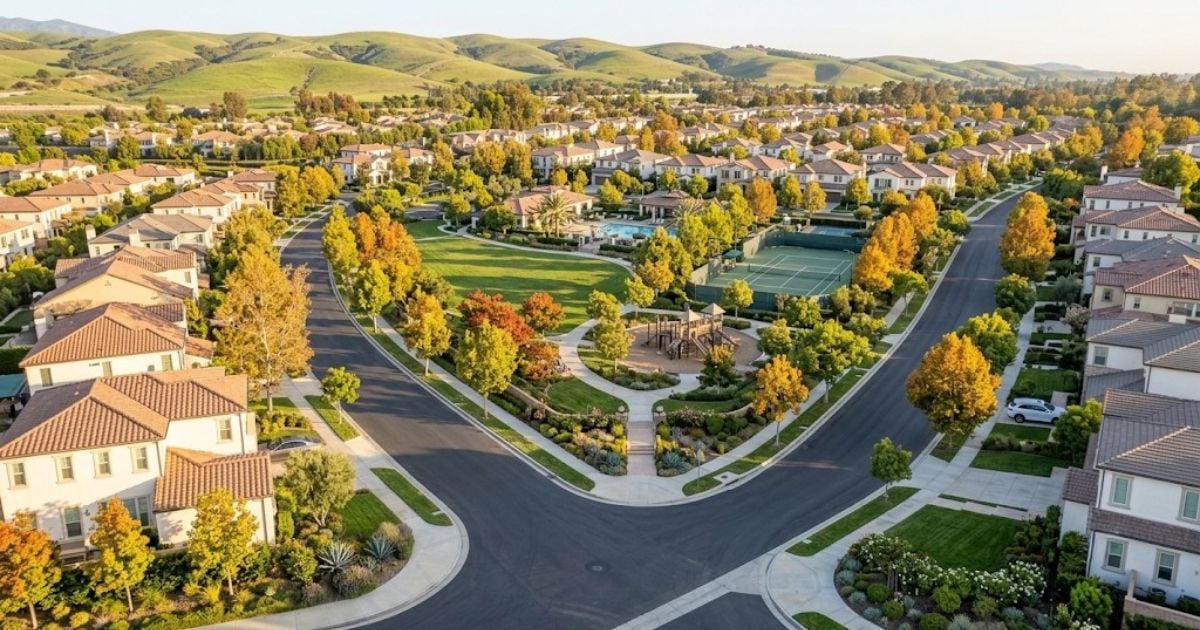
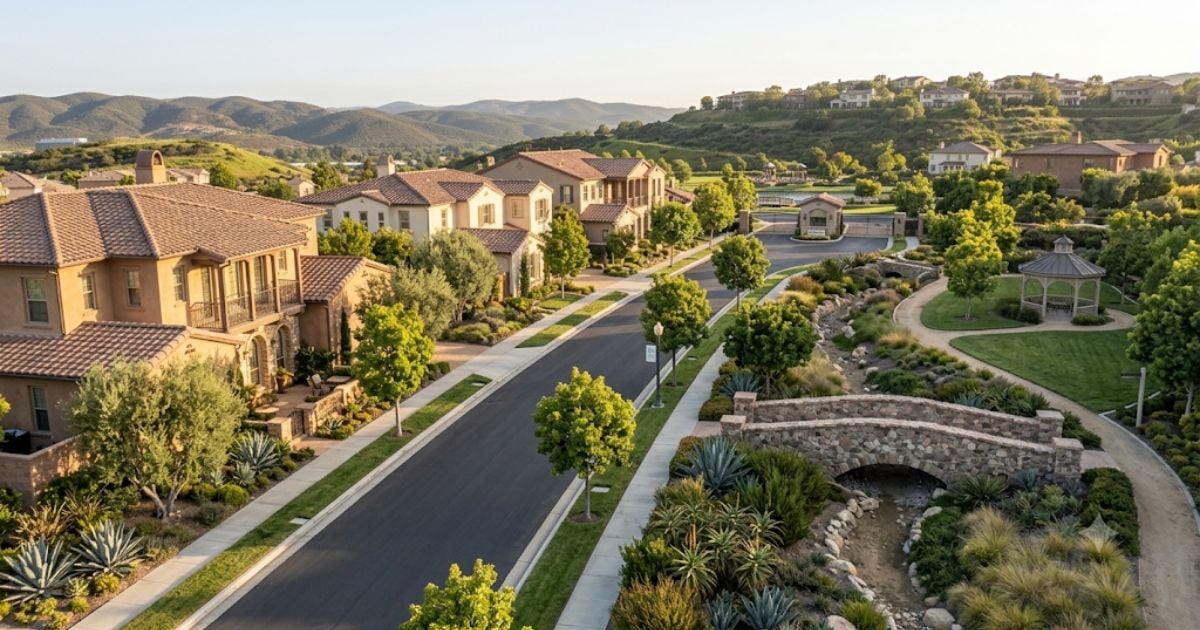
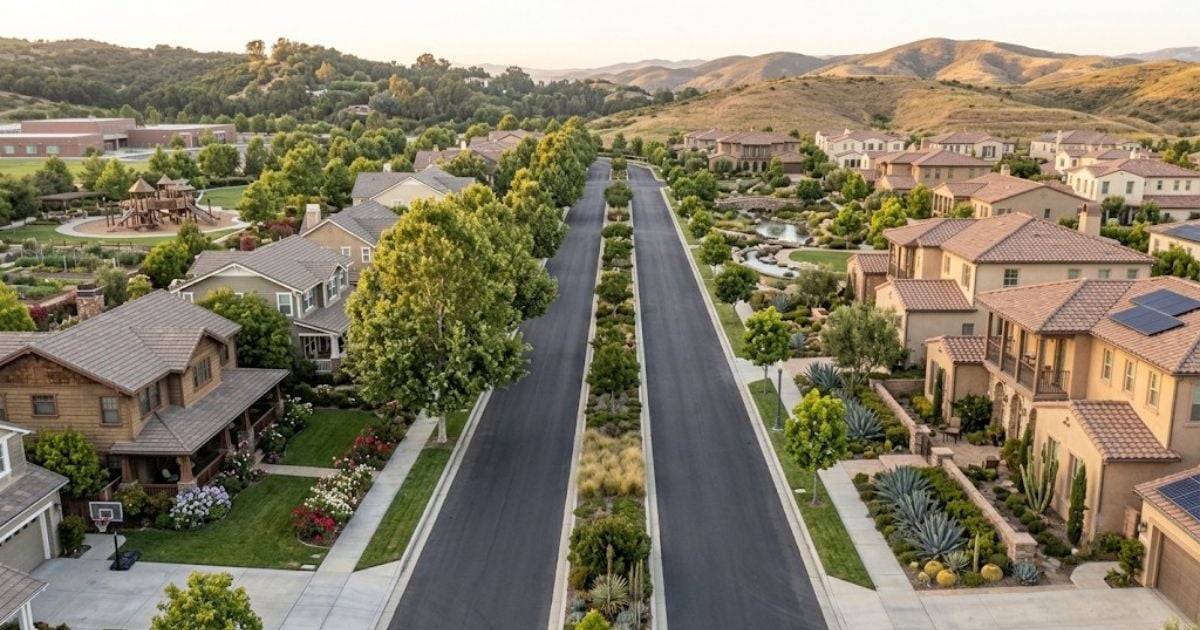
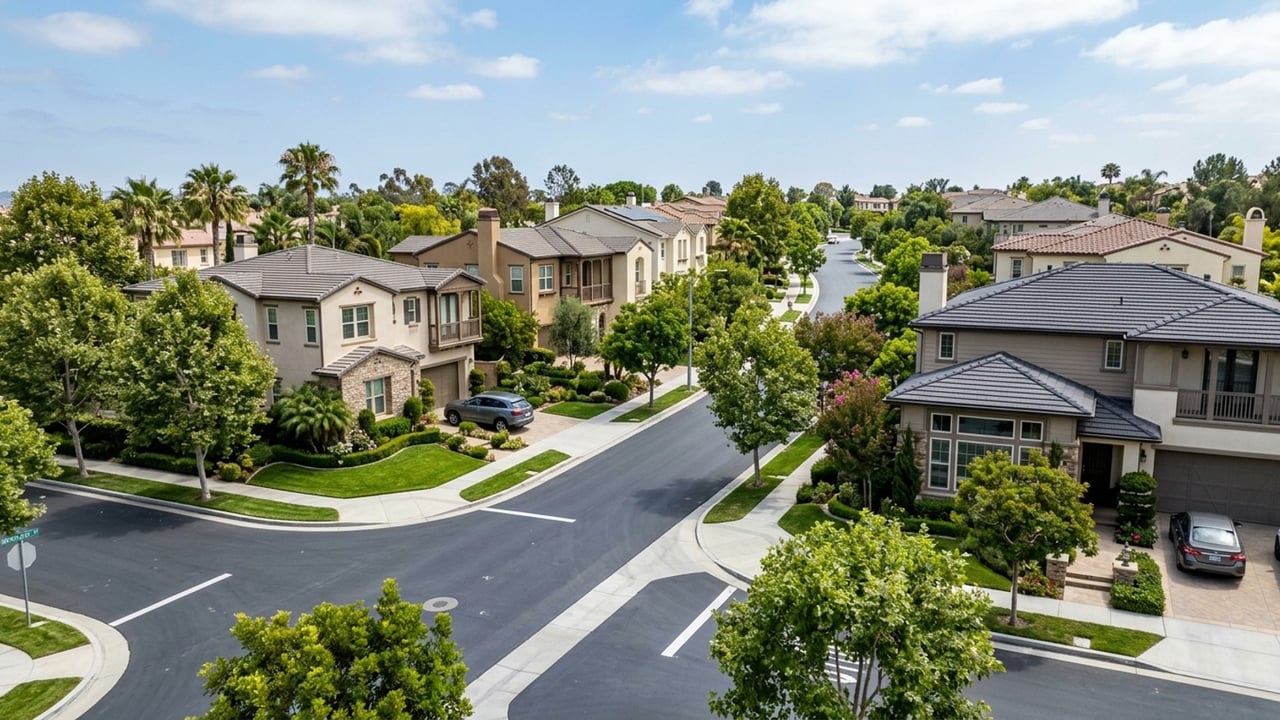
Irvine's inventory is almost entirely master-planned villages built from the 1960s onward - contemporary single-family homes, townhouses, and large condo complexes, all operating under uniform architectural guidelines. It's consistent, sometimes to a fault.
Huntington Beach gives you more variety in era and style. You'll find mid-century tract homes, custom beachfront properties, and newer infill developments sharing the same zip codes. The streetscape is less uniform, which some buyers love and others don't.
Monthly Costs and Expenses
The purchase price is only part of what you're signing up for. In Orange County, property taxes, HOA dues, and special assessments can move your monthly payment considerably, and the gap between Irvine and Huntington Beach gets more interesting once you factor all of it in.
California caps property taxes at the base level, but local bonds and municipal fees change your effective rate. Get the actual tax bills on any property you're seriously considering - don't rely on estimates.
Comparing Property Tax Rates
Irvine's median effective property tax rate is about 1.11%. Huntington Beach runs slightly higher at around 1.16%. Both sit below the California state median of 1.21%, so neither city is an outlier on base taxes alone.
Homeowners Association Dues and Assessments
This is where Irvine gets more complicated. HOA fees vary by village and property type - single-family homes typically run $100 to $400 per month, while condos and townhomes can range from $250 to over $900 monthly. That's a wide spread, and it matters when you're budgeting.
Many newer Irvine communities also carry Mello-Roos special tax assessments on top of that. Those can add roughly $1,500 to $5,400 or more per year, pushing the effective tax rate in those tracts to somewhere between 1.4% and 2.1%. It's not uncommon for a buyer to focus on the list price and miss how much the carrying costs change the picture. Don't do that.
Highway Access and Daily Commutes
Both cities connect to Southern California via the I-405, which is the primary north-south corridor for residents in either location. But where you start that drive makes a real difference.
Test your actual commute during morning and evening rush hours before you commit. What looks reasonable on a map at 10 a.m. on a Sunday is a different experience at 7:45 a.m. on a Tuesday.
Driving to Local Business Centers
Irvine is a major commercial center on its own - corporate headquarters, business parks, the whole infrastructure. If you work within the city, your commute might just be a few local streets. That's a genuine advantage.
Huntington Beach doesn't have that same employment base. Most residents commuting to corporate jobs are heading east, which means first covering local streets before they even reach the freeway network.
Connecting to the I-405 and Local Routes
The I-405 runs directly through Irvine, so on-ramp access is close for most neighborhoods. The SR-55 also connects through the city, adding another direct route to other Orange County destinations.
Huntington Beach sits further west of the I-405. Residents drive several miles inland on local streets to reach the freeway - that adds time to any regional commute. The Pacific Coast Highway does offer a north-south coastal route, but it's a local road, not a freeway alternative for getting across the county.
Outdoor Recreation and Retail Centers
Where these two cities diverge most visibly is in the day-to-day environment around you. Irvine is inland, planned, and organized. Huntington Beach is coastal, less structured, and oriented around the water.
Neither is objectively better - it depends entirely on what you actually want to do on a Saturday morning.
Parks, Trails, and Ocean Access
Huntington Beach has miles of public shoreline along the Pacific Ocean. Surfing, beach volleyball, paved waterfront paths along Pacific Coast Highway - it's all there, and it's the reason a lot of people pay the premium to be here.
Irvine has no ocean access. What it does have is an extensive network of paved trails and community parks baked into the master-planned design, with dedicated green spaces built into nearly every neighborhood. It's a different kind of outdoor life, but it's not a lack of one.
Local Dining and Shopping Districts
Commercial options in Irvine are woven into the village layouts - planned retail complexes with national brands and local restaurants, organized and convenient. Huntington Beach clusters its commercial activity along the coast and major arterials, with the downtown area near the pier offering outdoor dining and independent shops facing the water. Two very different atmospheres.
Frequently Asked Questions
How do average home prices and HOA fees compare between Irvine and Huntington Beach?
Irvine is slightly more expensive, with a median home price around $1,540,000 compared to roughly $1.4 million in Huntington Beach. Irvine properties also frequently carry HOA fees ranging from $100 to over $900 per month, plus potential Mello-Roos taxes.
What are the property tax differences between Irvine and Huntington Beach?
Huntington Beach has a slightly higher base rate, with a median effective property tax rate of about 1.16% compared to 1.11% in Irvine. Newer Irvine tracts with Mello-Roos assessments can push the total effective tax rate to between 1.4% and 2.1%.
What types of homes are available in Irvine compared to Huntington Beach?
Irvine consists primarily of master-planned villages featuring contemporary single-family homes, townhouses, and condos. Huntington Beach offers a wider mix of mid-century tract homes, custom beachfront properties, and coastal infill developments.
Is the daily commute easier from Irvine or Huntington Beach?
Irvine generally provides faster highway access because the I-405 and SR-55 run directly through or adjacent to the city. Huntington Beach residents drive several miles inland on local streets to reach the I-405, which adds time to regional commutes.