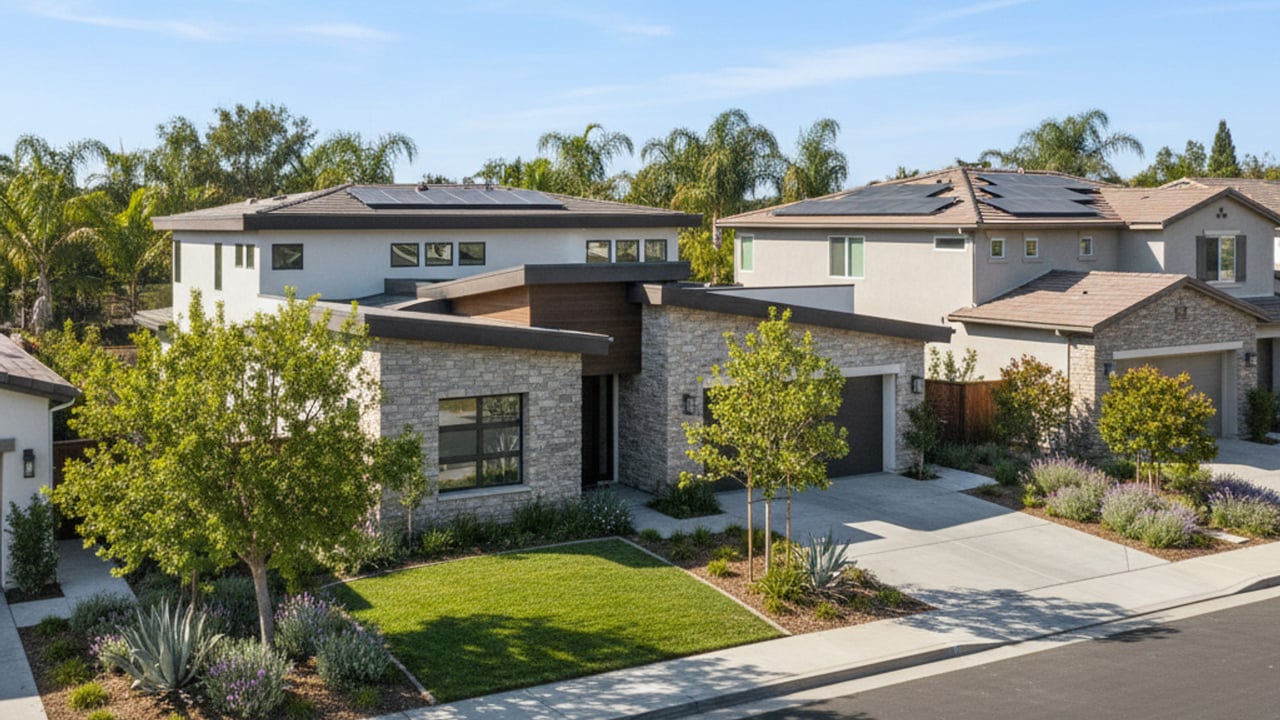
The median sale price for a single-family home in Irvine, CA sits between $1.41 million and $1.5 million as of May 2026. Sellers enjoy a distinct advantage with tight inventory and steady buyer demand across the city's master-planned villages. Setting the right asking price requires more than just looking at a neighbor's recent sale.
Buyers have access to endless data, and they will quickly spot a home priced out of alignment with its specific tract or condition. An accurate valuation accounts for everything from Mello-Roos tax assessments to sub-HOA dues and proximity to local employment hubs. Establishing a smart baseline helps attract serious offers within the first few weeks on the market.
The 2026 market rewards precision over guesswork. Sellers who understand how local buyers weigh monthly carrying costs against property features will position their listings for maximum visibility.
A well-researched price tag works best when paired with aggressive marketing. High-quality photography and staging help justify the asking price to buyers viewing the property online before they ever step foot inside.
What the Irvine Real Estate Market Looks Like Right Now
Single-family homes and condominiums in the city face a persistent supply shortage. Inventory hovers around 1.17 months of supply, with roughly 600 to 700 active listings available at any given time. This low supply keeps upward pressure on property values across most price points.
Homes average about 42 to 55 days on the market before closing. Properties priced accurately from day one tend to go pending much faster, often within 22 to 33 days. Buyers act quickly when they recognize a fair valuation, but they will bypass listings that stretch too far beyond recent comparable sales.
The current list-to-sale ratio ranges from 95.7% to 98%. Sellers generally receive offers very close to their asking price when they use recent, local data to inform their initial number.
Condominiums and townhomes move at a slightly different pace than detached properties. Buyers looking for attached units often prioritize turnkey condition and lower maintenance, making them sensitive to overpriced listings that need updates.
The condition of the property creates a divide in how quickly it sells. Fully updated homes command top dollar and move swiftly, while properties requiring major renovations often sit longer as buyers calculate the cost of materials and labor.
How Village-Specific Fees Influence Property Values
Irvine is divided into distinct master-planned villages, and each one carries its own financial footprint. A buyer's purchasing power changes depending on the monthly carrying costs associated with a specific address. Sellers should factor these recurring expenses into their asking price.
Buyers compare total monthly payments, not just the sticker price of the house. If two similar homes are listed for the exact same amount, the one with lower monthly assessments will attract more attention. Sellers should adjust their expectations based on the specific fees tied to their tract.
Older villages like El Camino Real or Walnut often lack the heavy special assessments found in newer construction. Buyers looking to maximize their loan amount toward the principal balance frequently target these established neighborhoods.
Disclosing all monthly and annual assessments upfront prevents surprises during escrow. Buyers who discover hidden sub-HOA fees late in the transaction may attempt to renegotiate the purchase price or cancel the contract entirely.
- Mello-Roos taxes: Newer developments like Great Park Neighborhoods and Orchard Hills carry special assessments that can add $500 to $1,000 per month to a buyer's tax bill.
- Master and sub-HOA dues: Villages like Woodbridge have a master HOA fee around $157 per month, but attached condominiums often include a secondary sub-HOA fee that pushes total monthly costs higher.
- Commercial proximity: Homes located near major retail and entertainment destinations like the Irvine Spectrum Center often command a premium compared to properties deeper inside residential tracts.
Factoring Commutes and Employment Hubs into Your Asking Price
Proximity to major workplaces directly impacts home valuations. The Irvine Business Complex employs thousands of professionals, and homes offering a quick commute to this area generate consistent demand. Shorter drive times hold tangible value for buyers looking to minimize their daily transit.
Access to Southern California's major freeways also plays a major role in pricing. Properties located within a short drive of the 405, 5, and 133 freeways appeal to commuters heading toward Los Angeles or deeper into Orange County. Listing descriptions should prominently feature these transit details.
Homes situated too close to these major thoroughfares may experience freeway noise, which can require a slight downward adjustment in price. Balancing the convenience of freeway access against potential noise exposure helps pinpoint an accurate market value.
Public transit access offers another selling point for specific buyer segments. Listings near the Irvine Station attract commuters who rely on Metrolink or Amtrak to reach Los Angeles without sitting in daily traffic.
The rise of hybrid work schedules has slightly altered how buyers view commute times in 2026. While proximity to the office still matters, buyers will often pay a premium for properties that feature dedicated home office spaces or detached casitas.
Valuing Local Amenities and School Zoning
Public school zoning within the Irvine Unified School District shapes property values across the city. Buyers frequently target specific attendance boundaries when searching for a home. Properties zoned for specific campuses often sustain their value even when broader market conditions cool.
Access to outdoor recreation and community facilities adds measurable appeal to a listing. Properties within walking distance of the Jeffrey Open Space Trail or expansive local green spaces provide a lifestyle benefit that buyers factor into their offers.
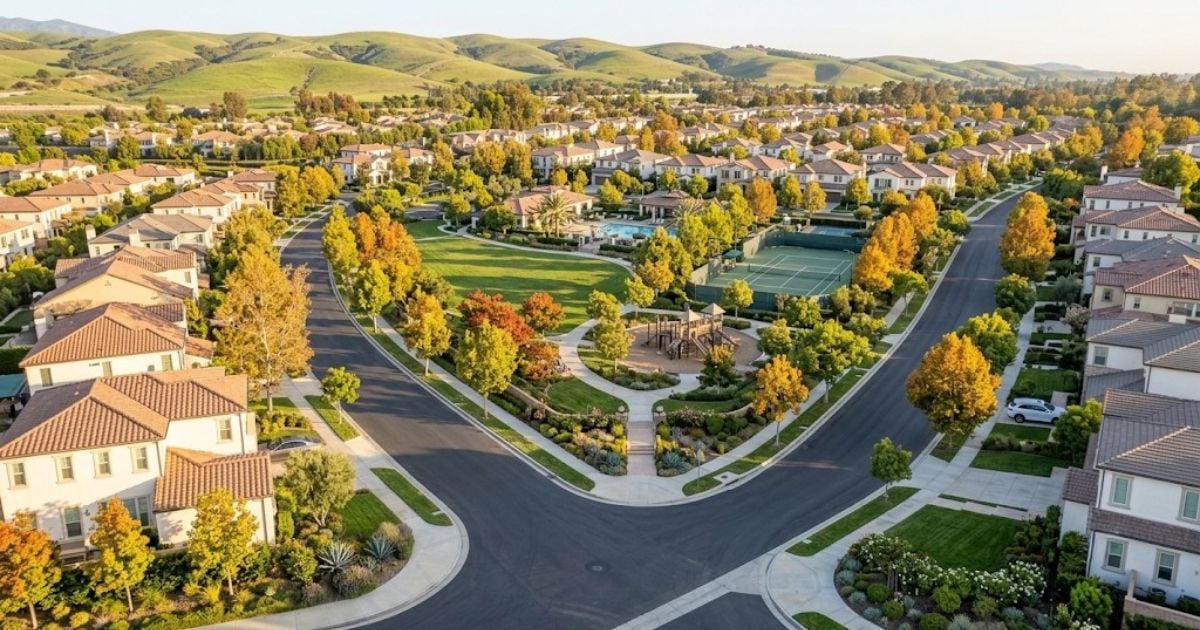
Most Irvine villages feature private community pools, tennis courts, and clubhouses. When running a comparative market analysis, you should compare your property against active listings with similar access to these shared amenities.
Lot placement within the tract also changes the final valuation. Homes situated on quiet cul-de-sacs or backing up to open greenbelts generally price higher than identical floor plans located on busy corner intersections.
Irvine's master-planned design means almost every home benefits from some level of community planning. Highlighting these built-in advantages in the property description helps buyers understand the full lifestyle value of the asking price.
Selecting the Best Pricing Strategy for Your Property
Selecting the final list price requires analyzing active listings, pending sales, and closed transactions from the last 30 to 60 days. Stale data from six months ago will not reflect current buyer sentiment or interest rates. Sellers have a few distinct paths to consider when establishing their initial number.
Buyer psychology plays a major role in how a home appears on the Multiple Listing Service and consumer portals. Buyers search in rounded price brackets, such as $1.25 million or $1.5 million. Pricing a home at $1,499,000 might miss buyers who set their minimum search filter exactly at $1.5 million.
Automated online valuation tools rarely account for the specific tract nuances or interior upgrades of a home. Sellers should rely on localized data rather than generic internet estimates to build their strategy.
Some sellers choose to set a specific offer review deadline to create a sense of urgency. Reviewing all bids on a designated Tuesday after a busy opening weekend allows sellers to compare terms side by side and select the strongest overall package.
- Pricing slightly below market value: Listing a home 2% to 3% below recent comparable sales can generate increased foot traffic and multiple offers, often driving the final sale price higher.
- Pricing at market value: Setting the price exactly in line with recent closings signals transparency to buyers and typically results in a steady, predictable transaction.
- Aligning with search brackets: Choosing a round number ensures the listing appears in the maximum number of automated search alerts sent to prospective buyers.
Frequently Asked Questions
Do high HOA and Mello-Roos fees lower my home's value?
These fees do not inherently lower your property value, but they do impact a buyer's monthly budget. A buyer looking at a home in Orchard Hills with an $800 monthly Mello-Roos assessment might qualify for a smaller loan amount compared to an older home in Northwood with no Mello-Roos. Sellers should review comparable sales within their exact tract to see how the market prices these specific carrying costs.
How do I compare my detached home to attached homes in the same village?
You should avoid comparing detached single-family homes directly to attached condominiums or townhomes. Attached properties share walls, usually carry higher total HOA dues, and appeal to a different segment of buyers. Focus your pricing analysis entirely on detached properties with similar lot sizes and bedroom counts within a one-mile radius.
Should I price my home higher to leave room for negotiation?
Padding your list price to allow for future discounts often backfires. In a market where the list-to-sale ratio sits between 95.7% and 98%, buyers expect homes to be priced accurately from the start. Overpriced listings tend to sit on the market longer, which can lead to eventual price reductions and lower final offers.