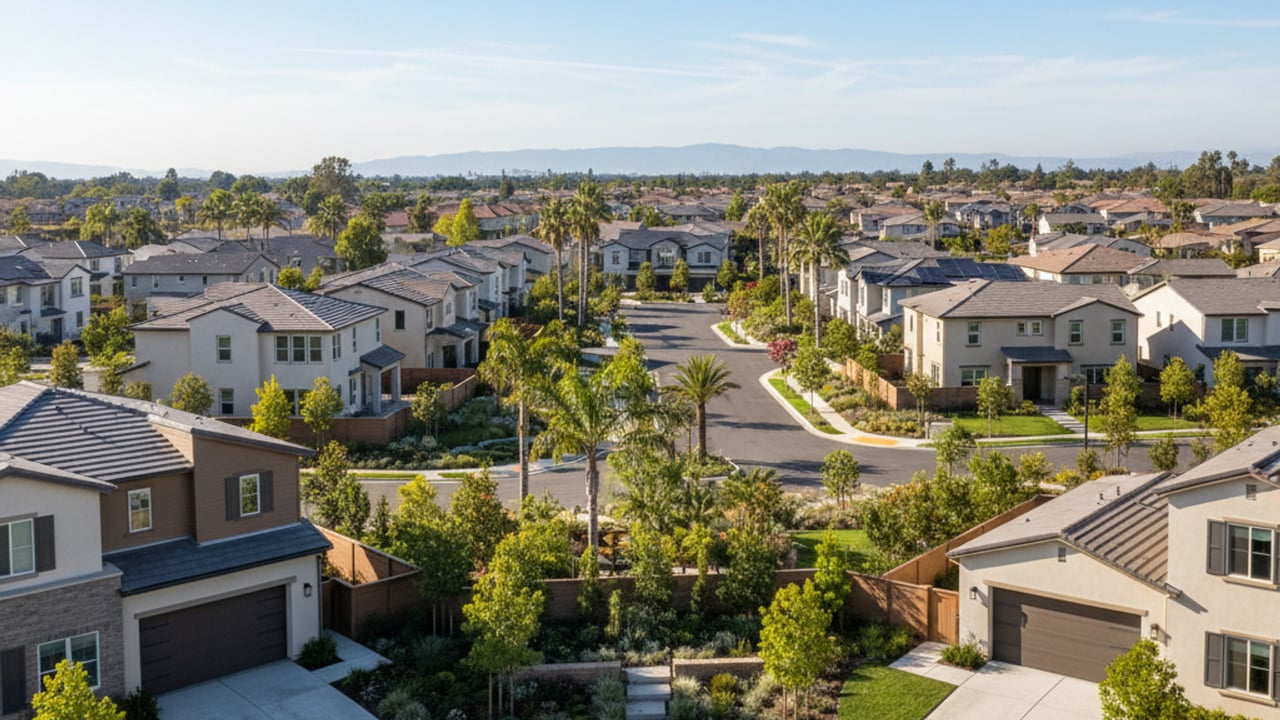
Southern California buyers frequently prioritize objective data when evaluating where to purchase property, especially in high-value markets. When clients ask about Orange County, the question "is irvine ca safe" consistently comes up during initial property tours. This master-planned community has built a nationwide reputation around its highly structured environment and extensive local infrastructure.
Evaluating a city requires looking past localized word-of-mouth and examining concrete municipal data. As of early 2026, Irvine continues to present a unique real estate landscape characterized by strict zoning, premium pricing, and highly documented municipal metrics. Understanding the reality of daily life here means reviewing recent law enforcement statistics, infrastructure developments, and current market conditions.
Understanding Irvine’s Crime Rates and FBI Statistics
Real estate decisions should always be grounded in objective statistics rather than subjective feelings. Based on recent Uniform Crime Reporting data, Irvine maintains a violent crime rate of roughly 84 incidents per 100,000 residents. This figure sits significantly below the national average, keeping the municipality distinctly positioned among major markets.
Property crime is a more common concern for homeowners, and local data provides a clear picture of what residents actually experience. The statistics indicate an approximate 1 in 64 chance of experiencing a property crime, which includes offenses like burglary, theft, and robbery. For a city with a population exceeding 250,000 residents, maintaining these metrics requires substantial municipal resources and structured urban design.
The city categorizes and reports these offenses strictly under current Federal Bureau of Investigation guidelines. This standardized reporting allows buyers to accurately compare Orange County metrics against other major cities like Los Angeles or San Diego. The clear takeaway for property investors is that Irvine's structured environment directly correlates with its low-crime statistical profile.
Irvine Police Department Public Safety Initiatives
Municipal safety metrics are actively maintained through funded law enforcement strategies and community programs. The local police department focuses heavily on preventative measures and community engagement to manage the growing population.
-
A $539,000 Office of Traffic Safety grant extends through September 2026 to monitor pedestrian safety and e-bike compliance.
-
Scheduled enforcement operations regularly include DUI checkpoints and dedicated neighborhood patrols across all villages.
-
Community engagement programs feature adult and juvenile e-bike education classes to manage the high volume of outdoor recreation.
-
Proactive public safety measures include a structured Neighborhood Watch and mandatory bicycle registration programs.
Master-Planned Villages and Current Real Estate Market
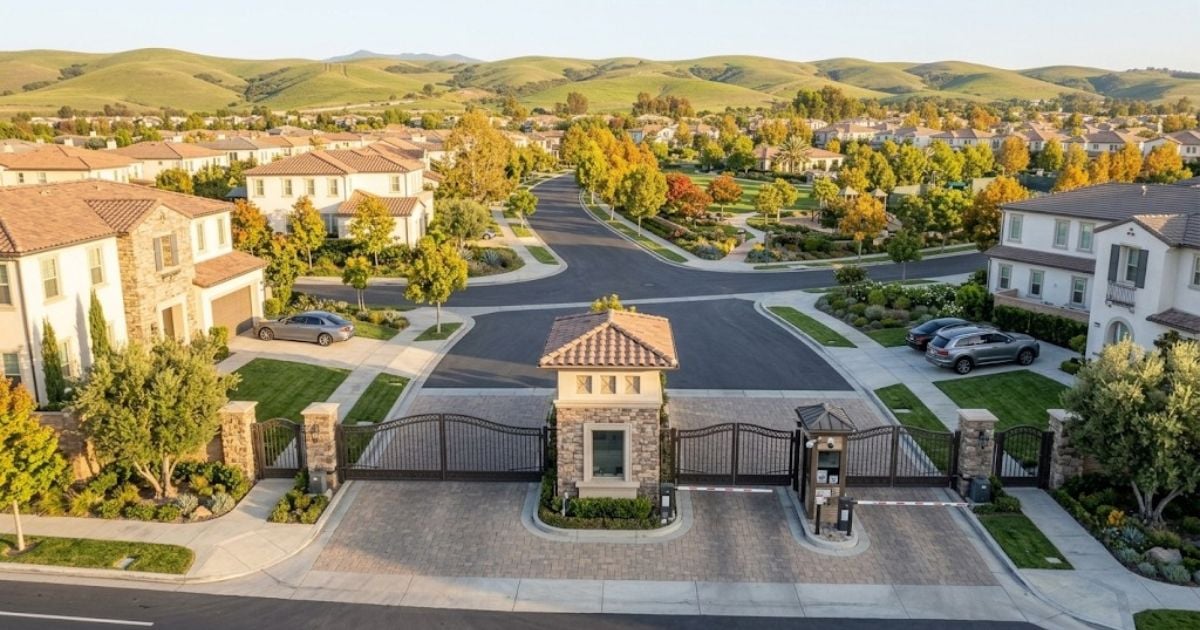
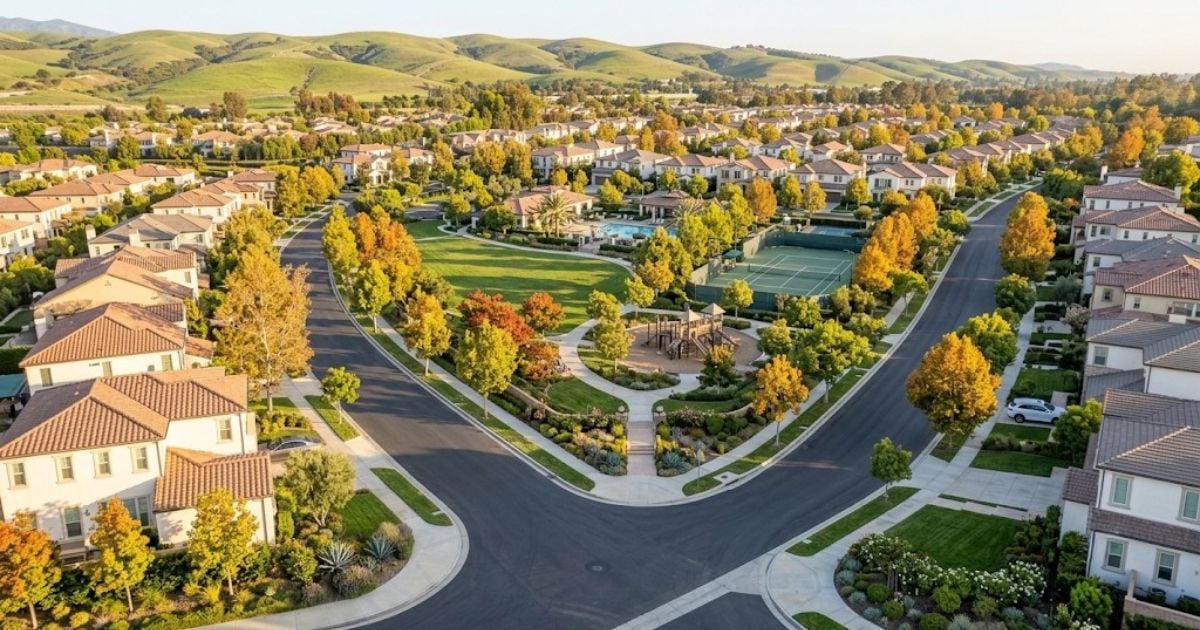
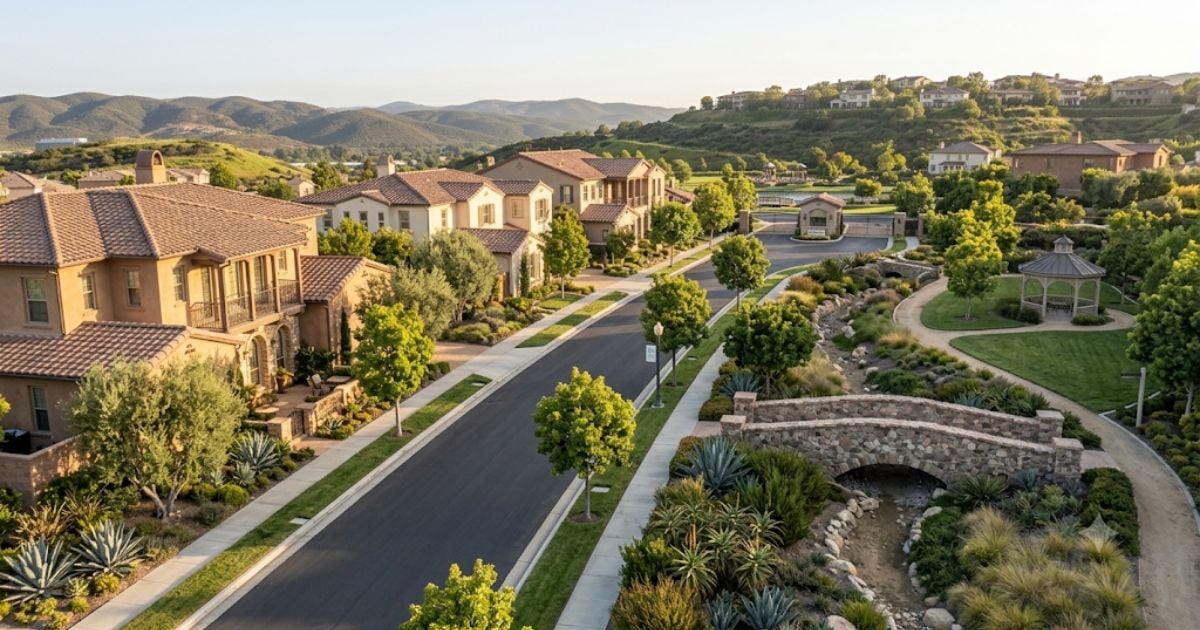
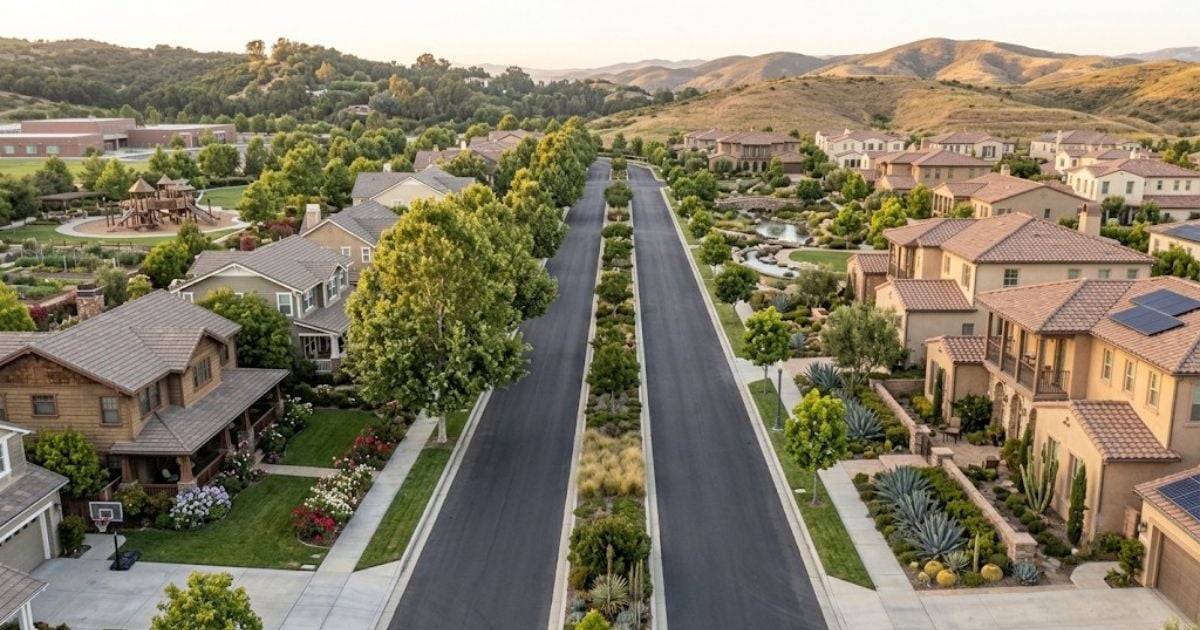
The structural foundation of Irvine relies on its master-planned villages, which strictly define architectural guidelines, commercial zones, and residential boundaries. Homeowners associations govern nearly every community, ensuring uniform landscaping and consistent property maintenance. Buyers will find a mix of single-family detached homes, townhouses, and condominiums distributed strategically across these designated zones.
Purchasing property here requires navigating a highly constrained and competitive seller's market. Current active inventory hovers at approximately 1.17 months of supply, which severely limits buyer negotiation power. Average days on market currently range from 42 to 55 days, meaning well-priced properties still move efficiently through the escrow process.
Entering this market requires a substantial capital commitment compared to broader national averages. Median home prices currently sit between $1,500,000 and $1,598,000, depending on the specific village and property type. The high cost of entry reflects the premium buyers place on the city's meticulously planned infrastructure and objective statistical safety.
Objective Community Amenities and Infrastructure
The appeal of this region extends beyond residential zoning to include massive investments in public recreation and retail hubs. The ongoing build-out of the 1,300-acre Orange County Great Park serves as the central anchor for local outdoor activities. This massive open space includes extensive sports complexes, walking trails, and dedicated recreation areas that connect multiple residential villages.
Commercial and retail infrastructure is expanding concurrently with residential development. Mid-year 2026 will see the opening of The Canopy retail center, alongside major renovations to Building 369 within the park boundaries. Existing concentrated retail and dining availability remains strong at established locations like the Irvine Spectrum Center.
Regional accessibility is another major factor driving local property values. Commuters benefit from direct access to major employment centers via the I-405, I-5, and SR-133 freeways. This highway connectivity allows residents to navigate to Los Angeles or deeper into Southern California with relative efficiency.
Educational Institutions and Local School Districts
Public education jurisdiction for the vast majority of the city falls under the Irvine Unified School District. Elementary, middle, and high schools are integrated directly into individual village footprints, minimizing commute times for local students. This physical integration means residents can often walk or bike to local campuses without crossing major arterial roads.
Higher education also plays a massive role in the local economy and community structure. The University of California, Irvine acts as a primary economic and research driver for the entire region. The presence of UC Irvine heavily influences local housing demand, particularly for townhouses and condominiums near the campus boundary.
Frequently Asked Questions About Living in Irvine
Is it safe to walk around Irvine at night?
Walking around the city at night is generally considered highly secure due to objective environmental factors. The master-planned village layouts feature high-density street lighting and clear sightlines along pedestrian paths. Frequent police patrols and active community watch programs contribute to the low historical incident rates during evening hours.
Is Irvine, CA expensive to live in?
Yes, living in this municipality requires a significantly higher budget than the national average. The median home price currently exceeds $1,500,000, and buyers must also account for premium HOA fees and standard Orange County property taxes. Daily living expenses, including groceries and transportation, also reflect the premium nature of this master-planned Southern California market.
What are the top 3 safest cities in California?
Based on recent FBI crime statistics for municipalities with populations over 200,000, Irvine consistently ranks in the top three. It is frequently listed alongside other low-crime CA cities like Thousand Oaks and Glendale. These rankings are determined by analyzing both violent and property crime rates per 100,000 residents across the state.