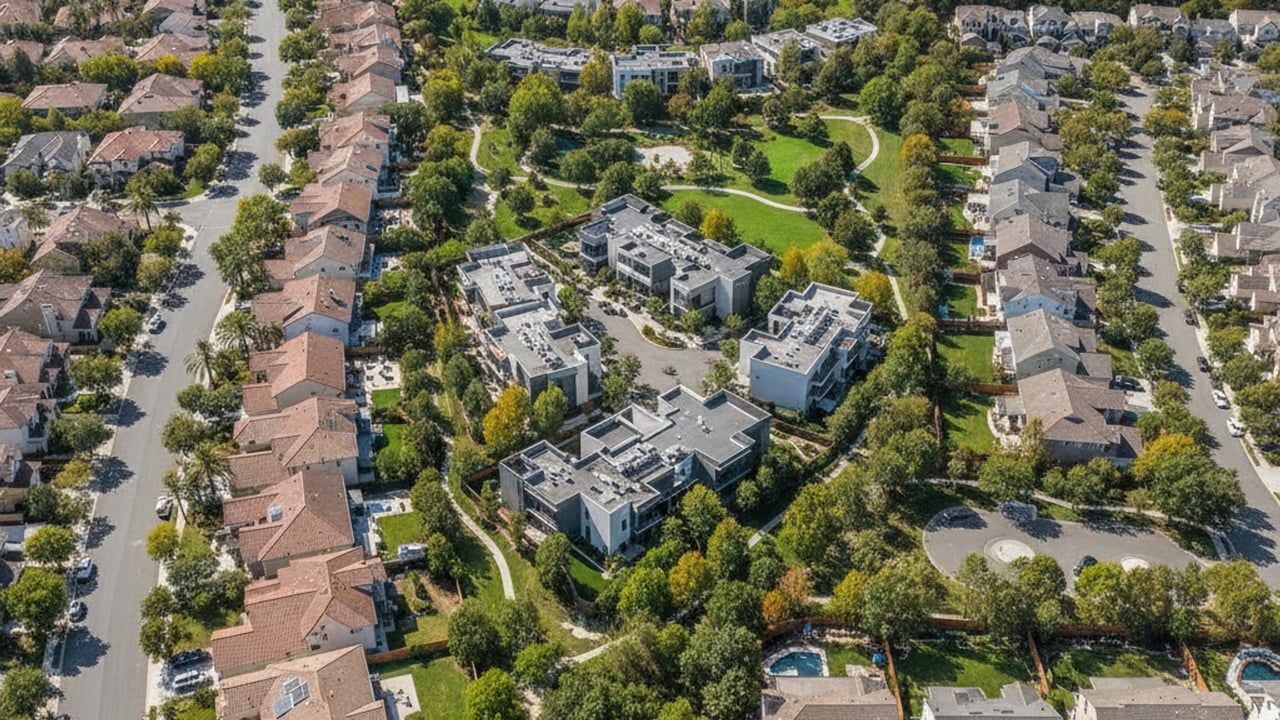
Buyers relocating to Southern California tend to zero in on Orange County pretty quickly - and once they do, living in Irvine keeps coming up. The master-planned layout, the school district's reputation, the crime numbers. It's not accidental that it lands at the top of so many searches.
What actually helps you decide, though, is the specifics. The median home price is $1.54 million. School boundaries shift block by block. Crime rates vary by village. Once you understand those details, you'll have a much clearer sense of whether this city fits your household or whether you're paying a premium for something you don't actually need.
Why Buyers Ask About Raising Children in Irvine
The Irvine Unified School District - IUSD - is genuinely central to why families end up here. The district serves more than 38,000 TK-12 students across 24 elementary schools, five K-8 campuses, six middle schools, and five high schools.
That's not the full picture either. The district also includes one early childhood learning center, an alternative high school, and two virtual academies. When you have that volume of educational infrastructure inside a single city, the enrollment options you end up with depend heavily on which neighborhood you land in - which is exactly why your home address matters as much as it does here.
What to Expect from the Area
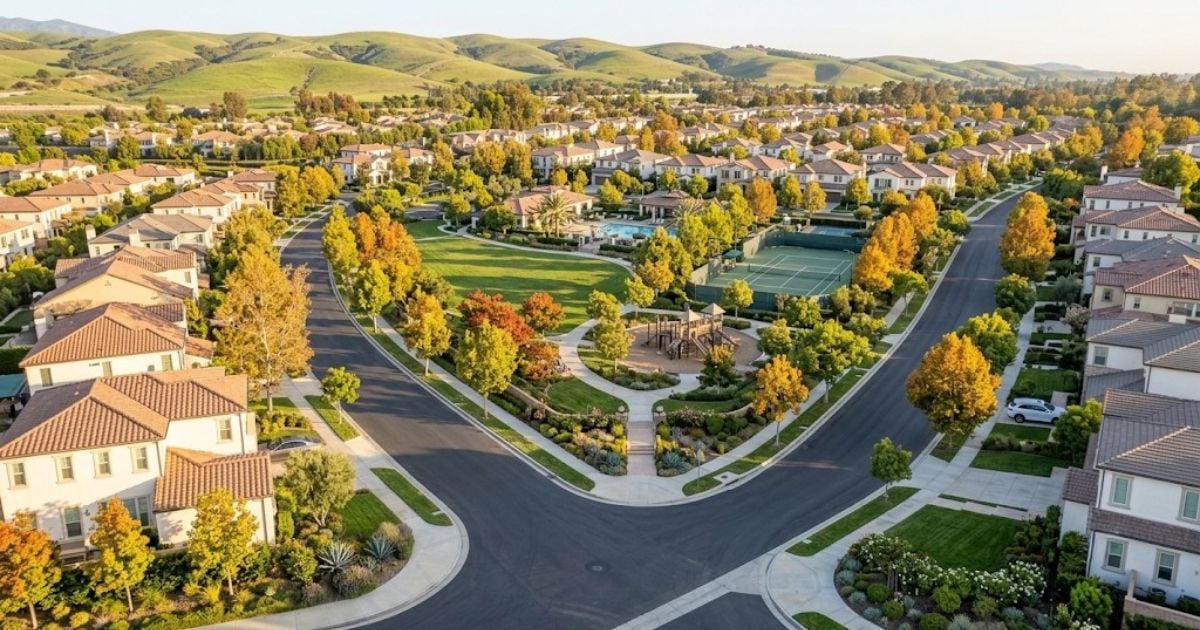
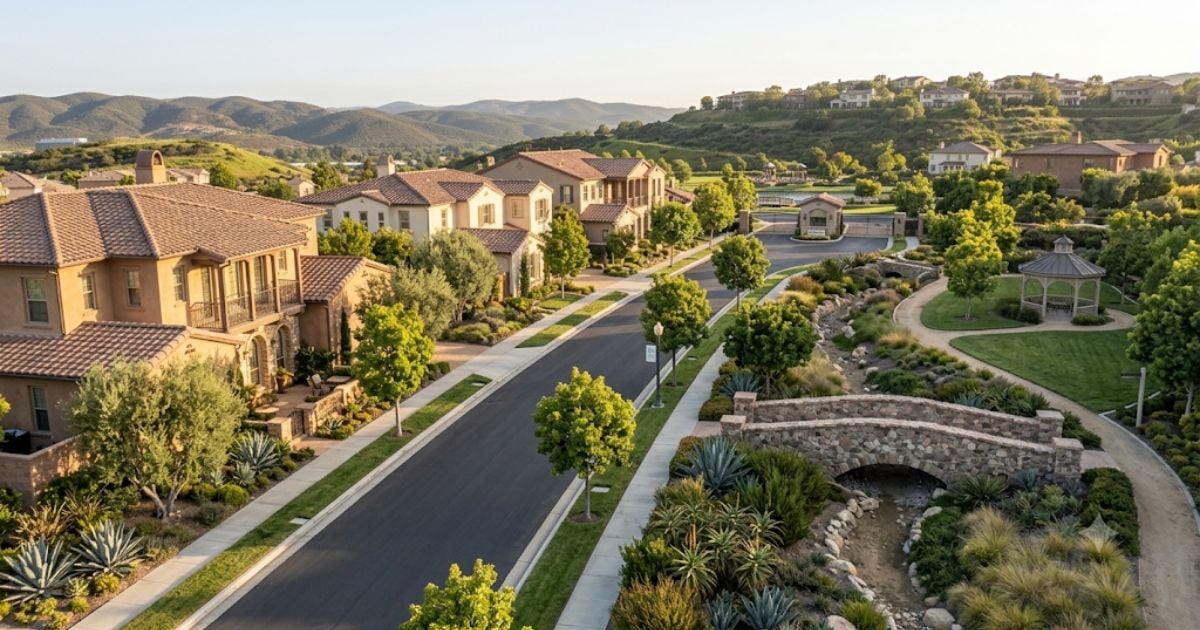
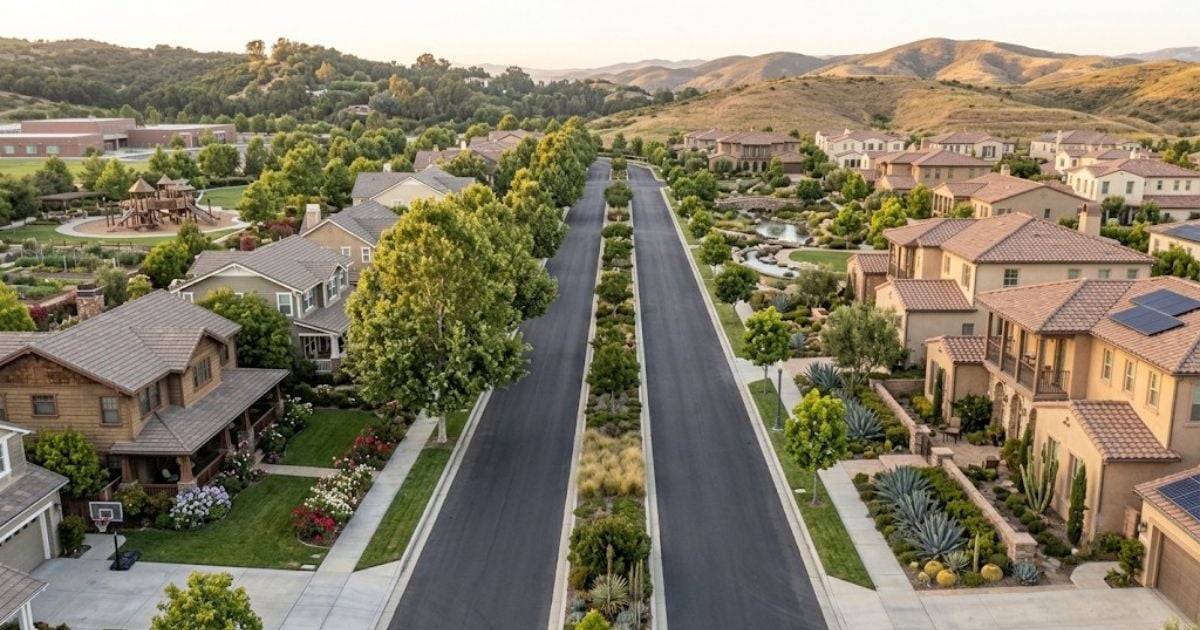
The city is structured around distinct villages, each built with integrated commercial centers and recreational spaces. Most residential streets sit close to grocery stores, walking paths, and local facilities - that's the point of the master-planned design.
It's a trade-off worth naming honestly: you won't get the organic, slightly unpredictable feel of an older coastal town. What you get instead is predictability. Traffic flow and zoning are tightly managed, and commercial transit stays mostly separate from residential subdivisions. Some buyers love that. Others find it a little sterile. Worth knowing before you fall in love with a listing.
Daily Life and Amenities
The local median household income sits around $136,719, which tells you something about the cost of entry here. The median age is 34 years old, and the poverty rate runs approximately 10.85%. That working-age, relatively affluent population base is what sustains the density of retail and dining you'll find across the city's commercial centers.
Where Irvine Sits in Southern California
Irvine is in Orange County, California - about 40 miles southeast of Los Angeles, sitting squarely between LA and San Diego along the Interstate 5 corridor. Officially, it's part of the Los Angeles-Long Beach-Anaheim metropolitan statistical area.
Being inside that massive metro doesn't mean it feels like it. The suburban environment here reads as genuinely distinct from the denser urban centers to the north.
County and Metro Connections
The main routes - I-5, I-405, and the 133 and 261 toll roads - connect residents to employment hubs in neighboring cities like Newport Beach, Costa Mesa, and Santa Ana. The job market in Irvine is strong, but plenty of residents still commute across county lines.
Proximity to those interstates makes regional business parks and commercial centers reachable, though "manageable commute" is doing a lot of work as a phrase in Southern California. Plan accordingly.
Zip Codes and Area Codes
The city covers a large geographic footprint divided into 13 unique ZIP codes, ranging from 92602 to 92782. The primary ZIP code for the central area is 92602.
When you're running MLS searches, you'll regularly see listings in 92603, 92604, 92606, 92610, 92612, 92617, 92618, 92620, 92630, 92676, 92780, and 92782. Knowing which code corresponds to which village is genuinely useful for filtering results by school boundary.
Phone Area Codes
The 949 area code covers the vast majority of residential and commercial lines here - it's the standard identifier for south Orange County. A small section near Northpark uses the 714 area code, and the 657 overlay is also active in the region. If you're setting up new utilities or business lines, 949 is the most likely assignment.
Population and Local Growth
As of 2026, Irvine has a population of approximately 321,138 residents. Since the 2020 census count of 308,368, the city has grown at about 0.74% annually - steady and controlled, consistent with how the city manages most things.
That ongoing growth, particularly in the newer villages on the eastern edge of the city, has pushed continuous updates to local infrastructure and school facilities. It's not a place that's standing still.
Demographic Breakdown
The city's business landscape includes international grocery stores, a wide range of dining options, and retail centers serving a broad range of consumer preferences across its commercial corridors.
Neighborhoods with Top Safety Ratings
Buyers focused on low crime tend to look at specific master-planned villages, and the data from 2026 points to Parasol Park, Northpark Square, Cadence Park, Orange County Great Park, and Altair Irvine as areas that record significantly lower crime rates than the city average.
These areas share a few things in common: newer construction, planned street layouts, and active homeowners associations managing local amenities.
Comparing Housing Options
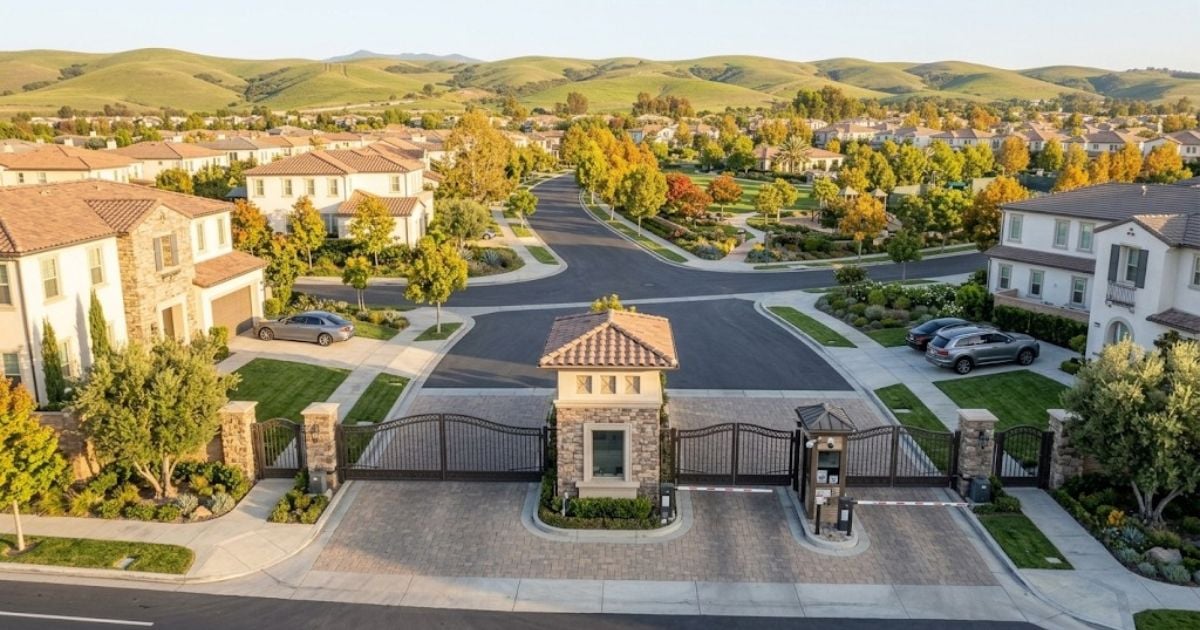
Northpark Square has established, tree-lined streets and slightly older home builds compared to the rapid expansion in the Great Park area. Altair Irvine offers luxury, guard-gated options if the budget supports it.
Cadence Park and Parasol Park are integrated into the Great Park Neighborhoods, which means shared access to community pools, trails, and sports courts. Before you fall for a home in any of these subdivisions, run the numbers on monthly HOA dues - they're real carrying costs and they add up.
Crime Rates and Overall Safety
The citywide crime numbers are genuinely low. One recent analysis placed the violent crime rate in Irvine at 8.9, well below the U.S. average of 22.7. Property crime sits at 22.6 against a national average of 35.4. According to FBI data, the city has maintained the lowest violent crime rate per capita among U.S. cities with more than 250,000 residents for 18 consecutive years.
That's a real distinction, not just marketing language.
Variations Across the City
The citywide statistics are strong, but crime does vary by neighborhood - about 81% of the city's 42 neighborhoods earn A or B safety ratings from independent data aggregators. Commercial hubs and areas immediately adjacent to the major interstates tend to see slightly higher property crime rates than the deep residential tracts.
When you're narrowing down your search, pull the neighborhood-specific data, not just the city average.
Housing Costs and the Current Market
The median sale price as of mid-2026 is approximately $1,540,000 - down about 1.8% year-over-year, but still near historic highs. You'll find attached condos, townhomes, and large single-family properties in the mix. Detached homes command the highest premiums.
That 1.8% dip is real, but it doesn't fundamentally change the entry point here.
Inventory and Days on Market
Homes are currently spending roughly 48 days on the market before going under contract. There are about 744 active listings and 4.6 months of supply, which leans slightly toward sellers - though buyers do have room to negotiate on homes that need updating.
Recent data shows 161 homes sold in a single month, with properties closing at roughly 98% of list price. About 21% sold above asking, which tells you that updated, move-in-ready houses still draw multiple offers. Price your expectations accordingly.
Frequently Asked Questions
Which Irvine villages are considered the best for families with young children?
Parasol Park, Northpark Square, Cadence Park, Orange County Great Park, and Altair Irvine come up consistently in safety data. These areas record lower property and violent crime statistics than the city average.
How hard is it to get enrolled in our preferred neighborhood school within the Irvine Unified School District?
The Irvine Unified School District manages over 38,000 students across 43 campuses. Enrollment is tied to your specific home address and the boundary lines drawn for the district's 24 elementary, five K-8, six middle, and five high schools. Your street address determines your school - not your village name or HOA.
Do the high Mello-Roos taxes and HOA fees in Irvine pay off for local amenities?
These fees fund the infrastructure that maintains the master-planned environment and local facilities. Review the specific HOA documents for whichever subdivision you're considering - they'll show you exactly which pools, trails, and community centers you're paying for.
Is Irvine, CA as safe as the national crime rankings claim?
The city has maintained the lowest violent crime rate per capita among U.S. cities of 250,000 or more residents for 18 consecutive years. That's the citywide picture. Property crime still varies by specific location, and 81% of neighborhoods earn A or B safety ratings - which means roughly 19% don't.
When is the best time to buy a home in Irvine so we are settled before the new school year begins?
Homes currently spend about 48 days on the market before closing. If you need to be settled before late August, you should be submitting offers on homes from the 744 available listings by early May.
How does raising a family in Irvine compare to neighboring Orange County cities like Tustin or Lake Forest?
Irvine offers a tightly structured master-planned environment with a median home price around $1,540,000. Neighboring cities carry different housing styles and price points. The 18-year streak of low violent crime rates is the distinguishing data point that most buyers can't find replicated elsewhere in the county.