If you're shopping in South Orange County and weighing the pros and cons of living in Irvine, Lake Forest will probably also end up on your list. They're neighbors geographically, but they're not interchangeable - they differ in home age, architectural style, and what your dollar actually buys. Irvine functions as a major employment and commercial hub. Lake Forest is a more traditional suburban city. Which one fits comes down to your budget, how much commuting you're willing to absorb, and whether you want newer master-planned development or an established neighborhood with mature trees.
Geographic Layout and Commute Times
Irvine sits about 40 to 45 miles southeast of Los Angeles, anchoring the center of South Orange County. Lake Forest sits to its east, edging toward the foothills of the Santa Ana Mountains. They're close enough that residents share a lot of regional infrastructure, but their day-to-day driving patterns are different.
From Irvine, you can reach Costa Mesa, Newport Beach, and Anaheim in under 30 minutes most of the time. Lake Forest residents commuting into Irvine are looking at a short, direct drive - though local arterials slow things down noticeably during peak morning hours.
Highway Access and Transit Options
Both cities connect to I-5, I-405, CA-133, and the CA-241 toll road. Off-peak, you can get to Los Angeles in roughly 45 minutes. During rush hour on the I-5 or I-405, plan for 70 to 100 minutes. That gap matters if you're commuting to L.A. regularly.
Metrolink stations serve both cities. The commuter rail from the Irvine or Tustin stations to L.A. Union Station runs about 60 to 75 minutes - a real option if sitting in freeway traffic isn't how you want to spend your mornings.
Housing Costs and Market Trends
As of mid-2026, the median home sale price in Irvine is roughly $1,540,000, per recent MLS data. Homes are sitting a median of 48 days on market and selling at about 98.1% of list price - not a frenzy, but not soft either.
Lake Forest gives you a lower entry point. Median prices there range between $1.2 million and $1.41 million, with detached single-family homes toward the top of that band. If square footage or lot size matters to you, the math tends to work better in Lake Forest.
Irvine and Lake Forest Home Prices
Irvine currently has about 744 active listings and roughly 4.6 months of supply - a relatively balanced market. Around 21% of homes still sell above asking, so well-priced properties aren't sitting.
In Lake Forest, Zillow's typical home value index sits around $1.04 million, which reflects a broader inventory mix - attached townhouses, older single-family homes, some newer construction. Prices there dipped about 3.5% year-over-year, though both markets remain active for South Orange County buyers.
Architectural Styles and Neighborhood Age
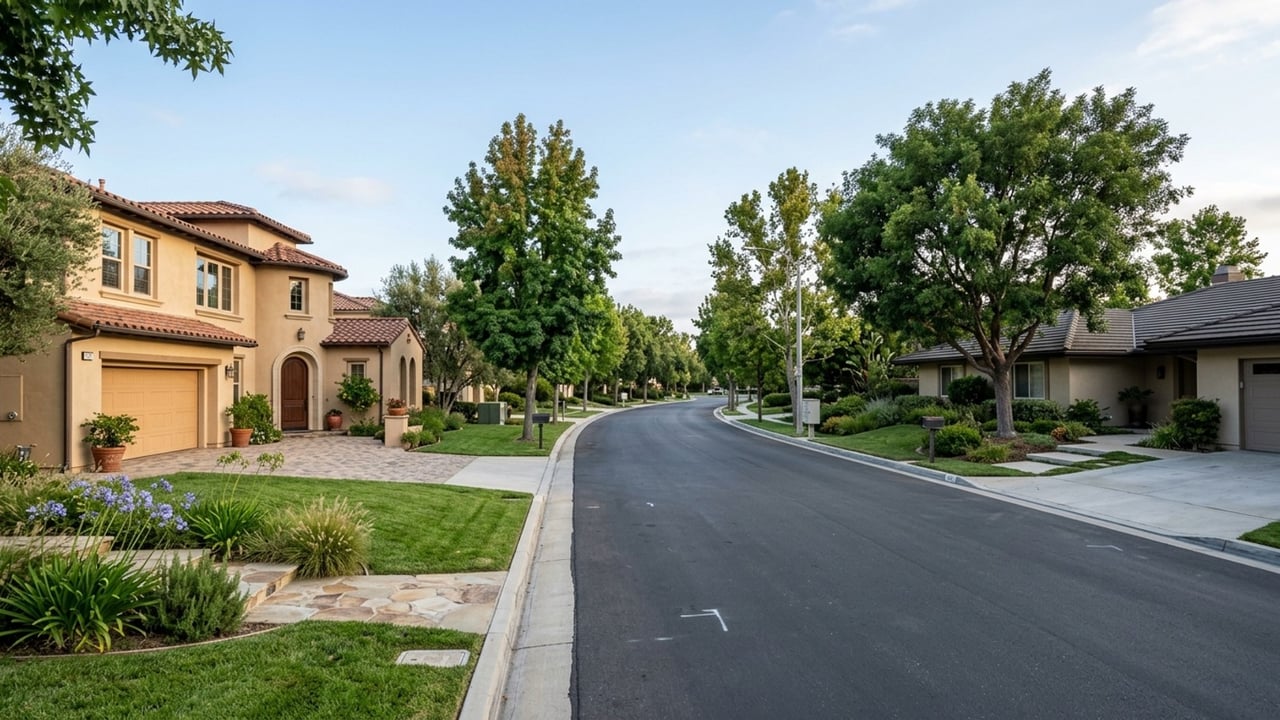
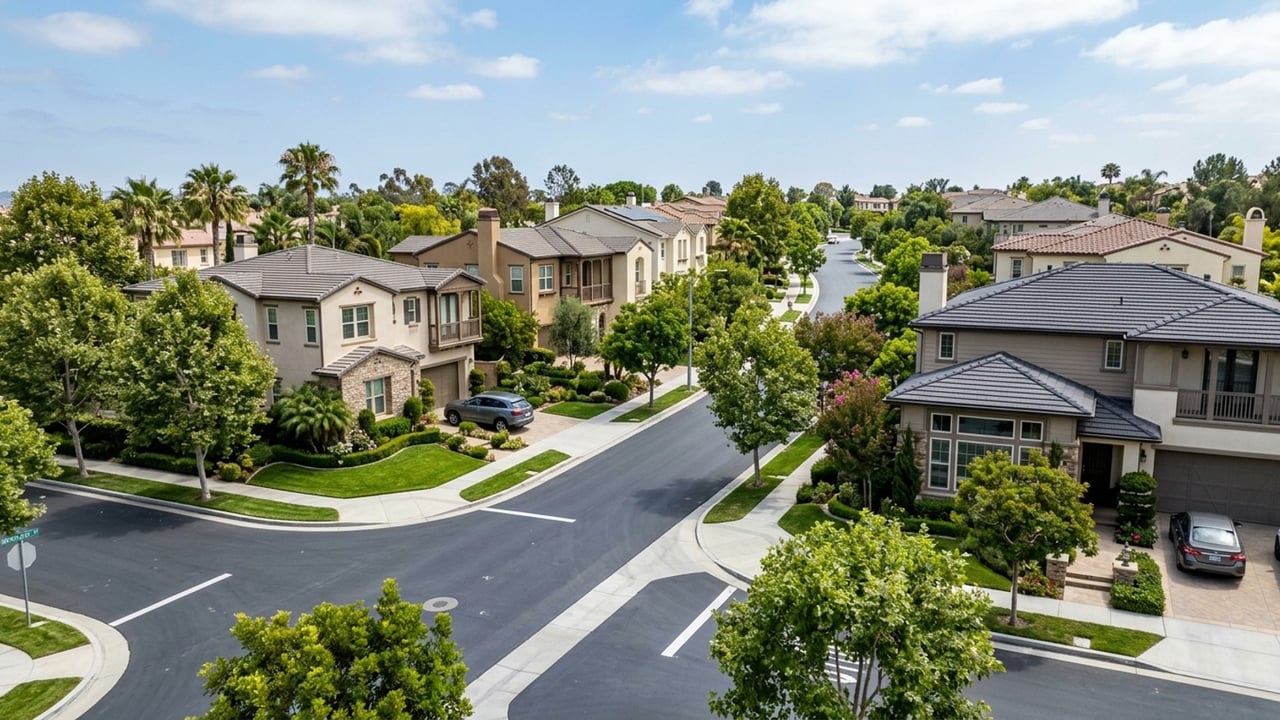
Irvine skews new. Nearly 32% of its homes have been built since 2010, and development is still active in master-planned villages like Great Park Neighborhoods, Cypress Village, Orchard Hills, and Portola Springs. You're looking at contemporary floor plans, condos, townhouses, and single-family homes designed in the last decade or so.
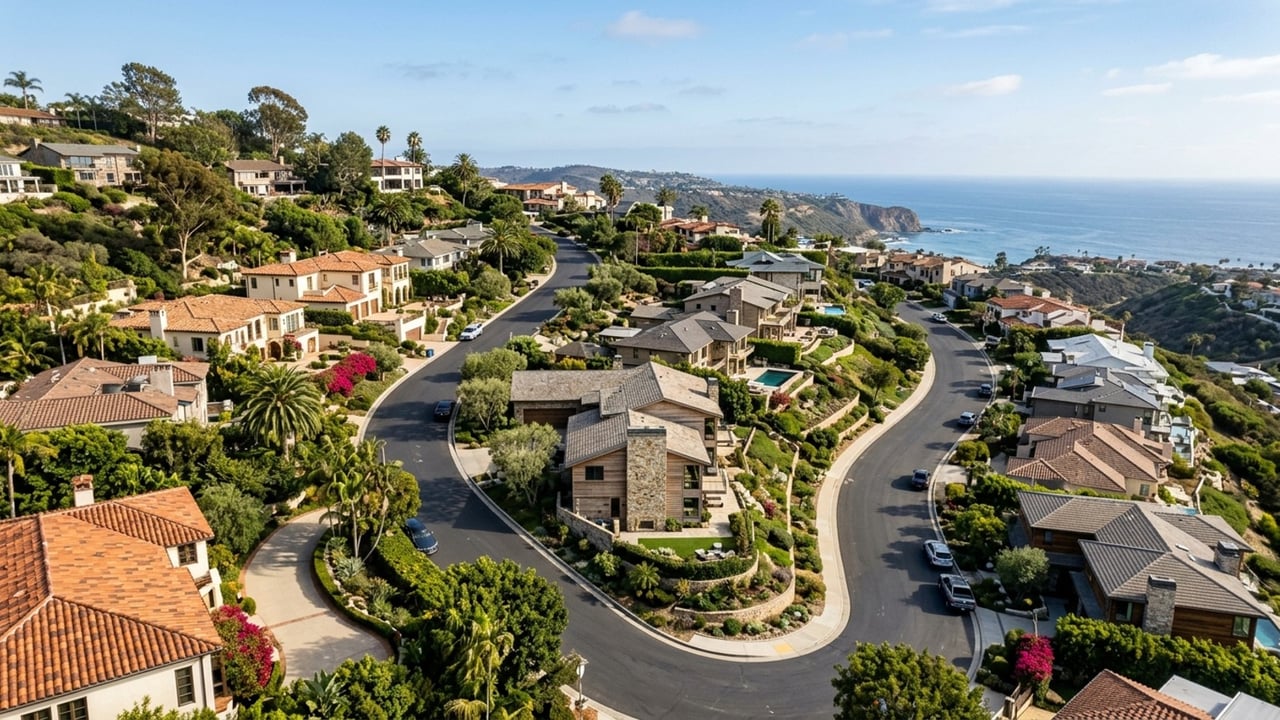
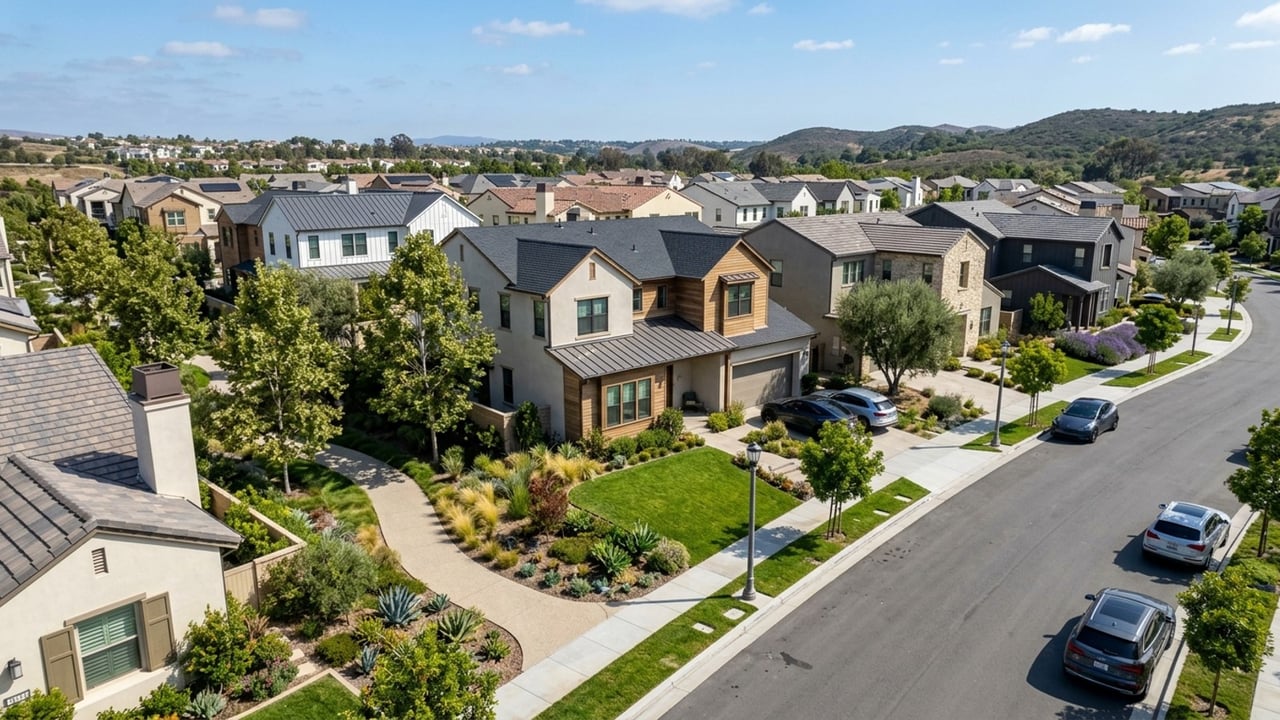
Lake Forest was largely built out between the 1970s and 1990s. Newer construction exists - Baker Ranch, Foothill Ranch, and Portola Hills have more recent tracts - but most of the city is established, with traditional architectural styles and the kind of tree canopy you only get from decades of growth. It's a different feel, and some buyers prefer it specifically for that reason.
Property Taxes and Cost of Living
The median effective property tax rate in Irvine is approximately 1.11%, though it varies by ZIP code. Lake Forest comes in slightly lower at around 1.04%. Neither number tells the whole story.
Newer developments in both cities tend to carry additional assessments that push your real tax burden higher than the base rate suggests. This is worth running down on any specific listing before you get attached to a monthly payment number.
Understanding Orange County Tax Rates
Base property taxes are standard countywide, but Mello-Roos Community Facilities District assessments can change the calculation significantly. In Irvine's newer master-planned villages, those special assessments can push the effective rate as high as 1.42%.
Lake Forest neighborhoods built in the 1970s and 1980s generally don't carry Mello-Roos fees, which keeps their effective rates closer to 1.0%. Newer Lake Forest developments like Baker Ranch do have them, with rates up to 1.3%. Pull the tax disclosures on any property you're seriously considering - that's where the real number lives.
Local Amenities and Recreation
Irvine integrates parks and trails directly into its master-planned villages - structured, paved, landscaped. Lake Forest leans on its proximity to the Santa Ana Mountains for outdoor recreation, with more natural, rugged terrain available nearby.
They both offer abundant green space. It's a question of what kind.
Parks, Trails, and Open Space
In Irvine, you have William R. Mason Regional Park, Bommer Canyon, the Jeffrey Open Space Trail, and the Quail Hill Loop Trail. Irvine Lake - technically in unincorporated Orange County - is a popular local fishing destination.
Lake Forest is home to Whiting Ranch Wilderness Park, which pulls hikers and mountain bikers from across the region. The city also maintains Serrano Creek Park, Pittsford Park, and El Toro Park. One thing worth knowing: the lake in Lake Forest is a private, man-made feature inside the gated Sun & Sail Club community - not a public facility.
Shopping Centers and Commercial Districts
Irvine's main commercial anchor is the Irvine Spectrum Center, with retail, dining, and entertainment at scale. Smaller neighborhood retail centers are built into each residential village as part of the master plan.
Lake Forest has standard suburban shopping along its major arterials. For anything larger, residents typically head to the Irvine Spectrum Center or nearby malls, relying on local business districts for groceries and daily errands.
Deciding Between Irvine and Lake Forest
A $1.5 million budget gets you an entry-level single-family home or a large townhome in Irvine. That same budget buys a larger, updated detached home in Lake Forest. That's a real difference, and it's the comparison most buyers in this range end up making.
Irvine tends to appeal to buyers who want new construction, built-in community amenities, and a short distance to major corporate offices. Lake Forest draws buyers who want established neighborhoods, lower base property taxes, and easy access to wilderness parks.
Planning Your Next Steps
Start with your commute. If you work in Costa Mesa or Newport Beach, actually drive from both cities during your real commuting hours - not Google Maps at 2 p.m. on a Tuesday.
Then tour open houses in both cities and compare lot sizes and home ages in person. Before you get to offer stage on anything, pull the specific HOA fees and Mello-Roos assessments on each property. That's where your true monthly cost shows up.
Frequently Asked Questions
How much more expensive are property taxes and Mello-Roos fees in Irvine compared to Lake Forest?
In Irvine, the median effective tax rate is around 1.11%, but Mello-Roos fees in newer villages can push that to 1.42%. Lake Forest has a median rate of 1.04%, with older neighborhoods avoiding Mello-Roos entirely - though newer tracts will still see rates up to 1.3%.
Can I get a larger home and yard in Lake Forest for the price of an entry-level house in Irvine, CA?
Yes. The median home price in Lake Forest ranges from $1.2 million to $1.41 million, compared to Irvine's $1.54 million median. Buyers typically find larger lots and more square footage in Lake Forest for the same budget.
What is the typical morning commute time from Lake Forest into the Irvine business hubs?
Driving from Lake Forest to Irvine employment centers is a short, direct commute. Traffic on local arterial roads during peak morning hours will add time, but it's manageable compared to commuting outside South Orange County.
Do homeowners associations (HOAs) have the same rules in Lake Forest as they do in Irvine's master-planned communities?
It depends on the neighborhood. Irvine's master-planned villages universally feature active HOAs to maintain community standards and amenities. Lake Forest has newer tracts with similar HOAs, but its older 1970s neighborhoods often have lower fees and fewer association rules.
Which city offers better access to outdoor recreation and hiking trails, Irvine or Lake Forest?
Both do, but the terrain is different. Lake Forest has Whiting Ranch Wilderness Park for rugged hiking and mountain biking. Irvine offers structured, manicured paths like the Jeffrey Open Space Trail and Bommer Canyon.