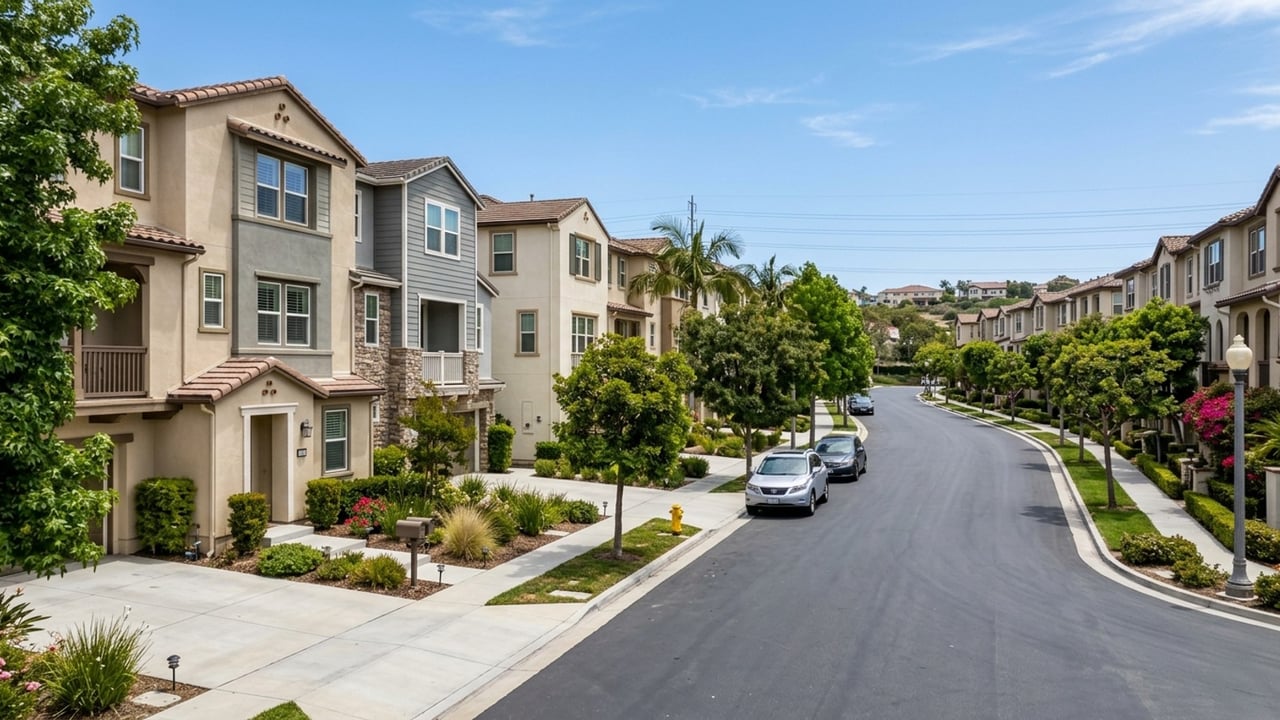
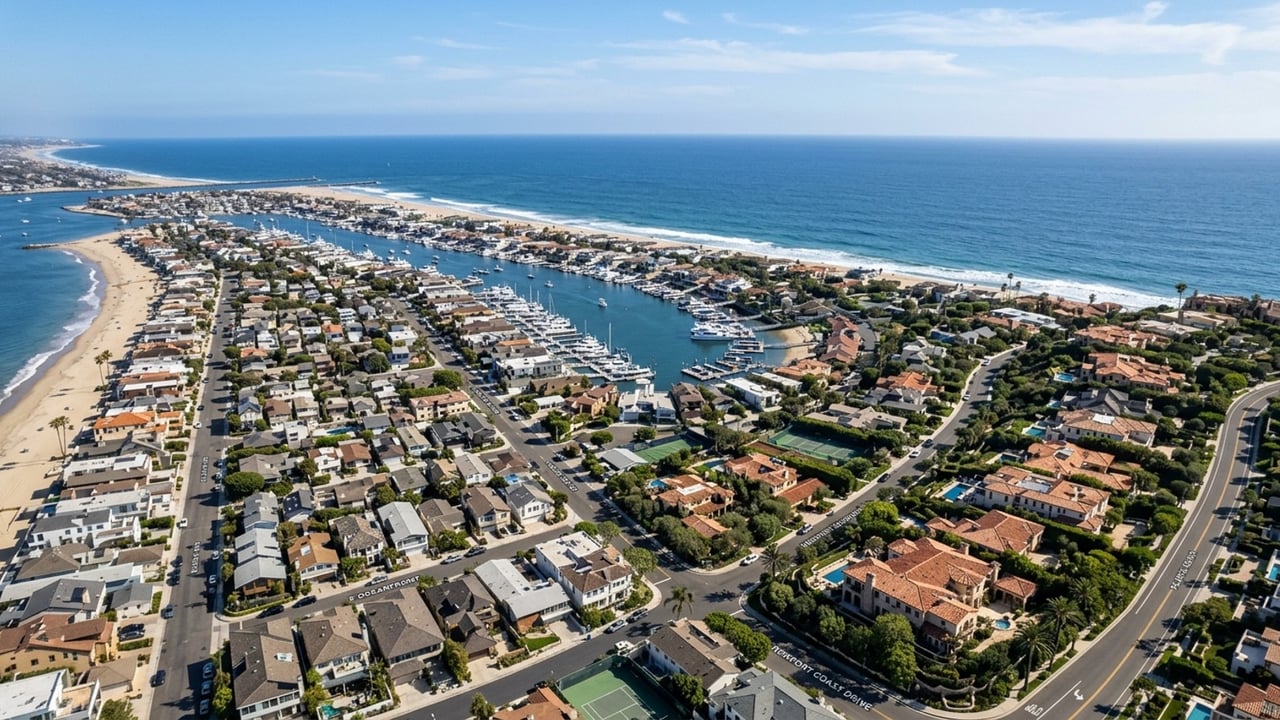
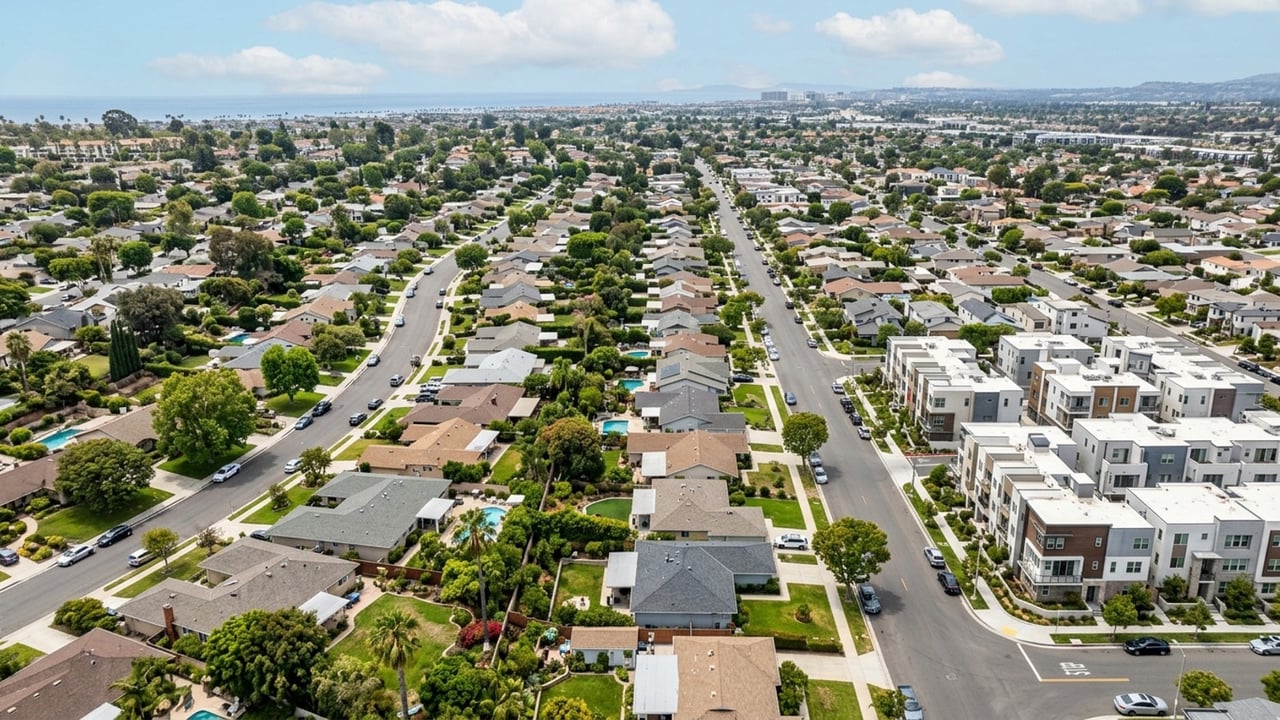
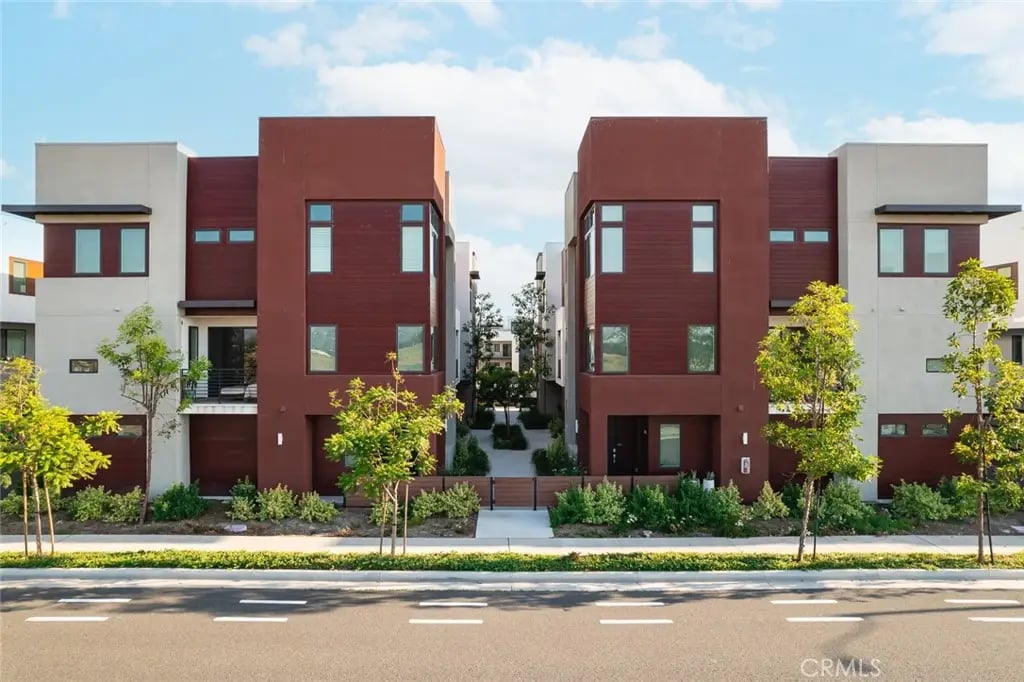
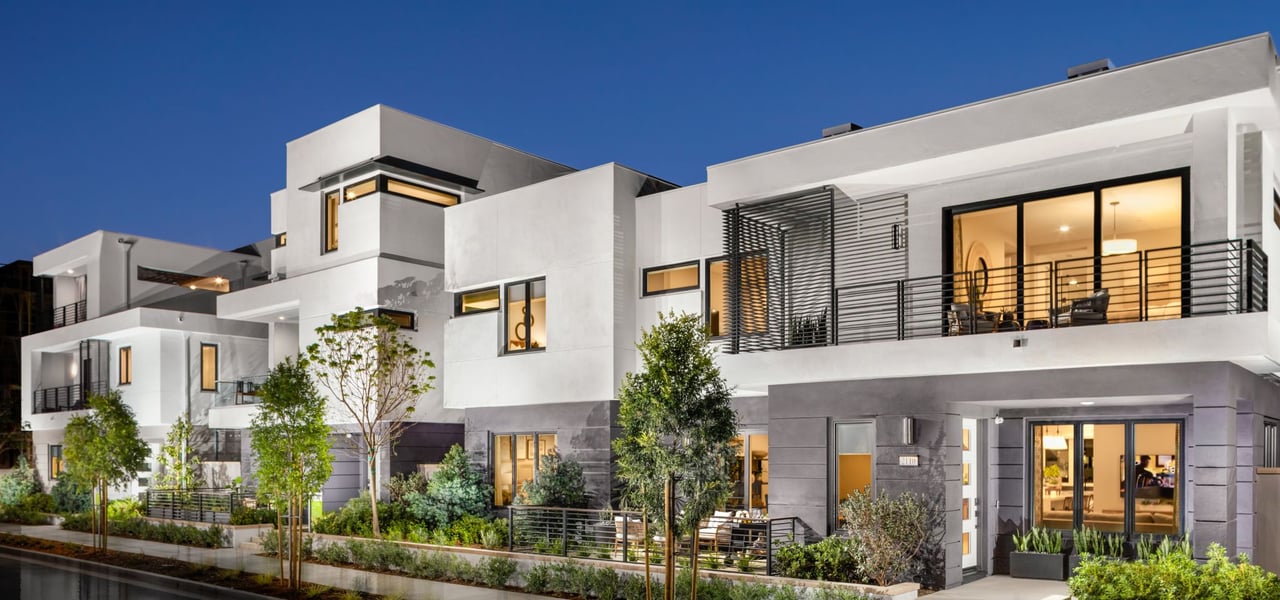
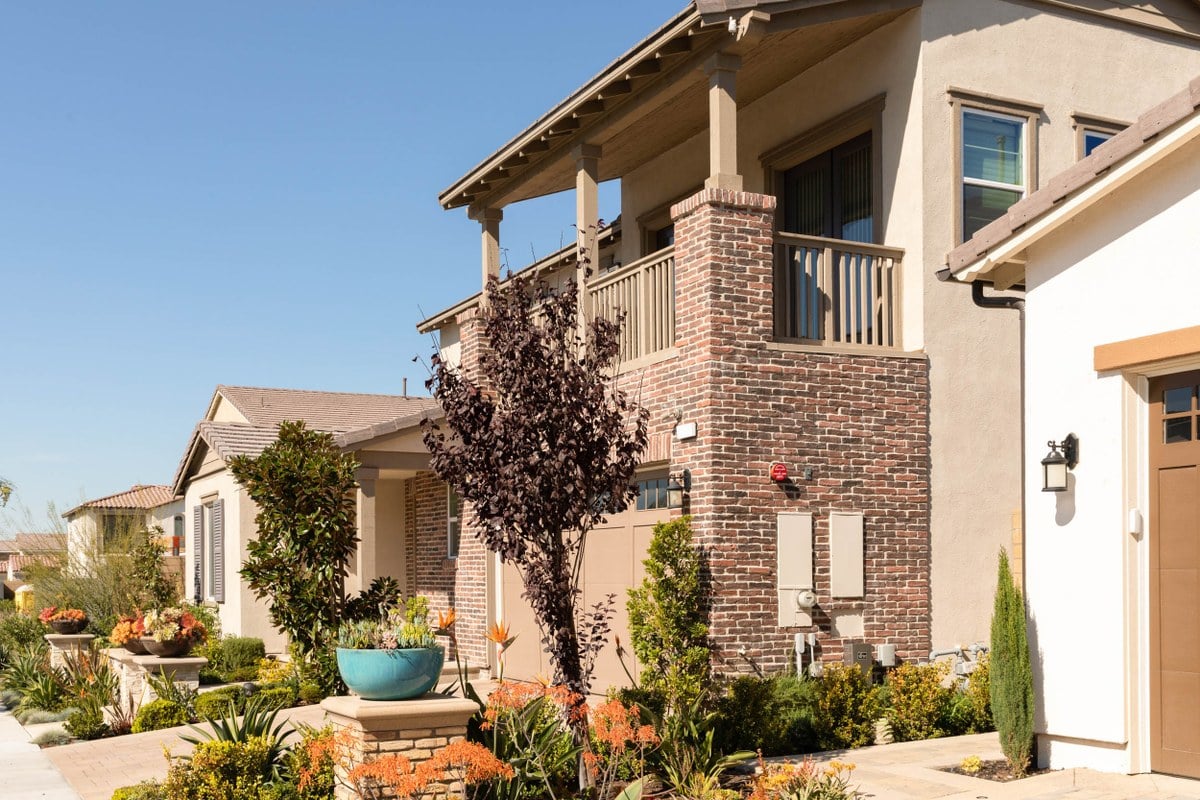
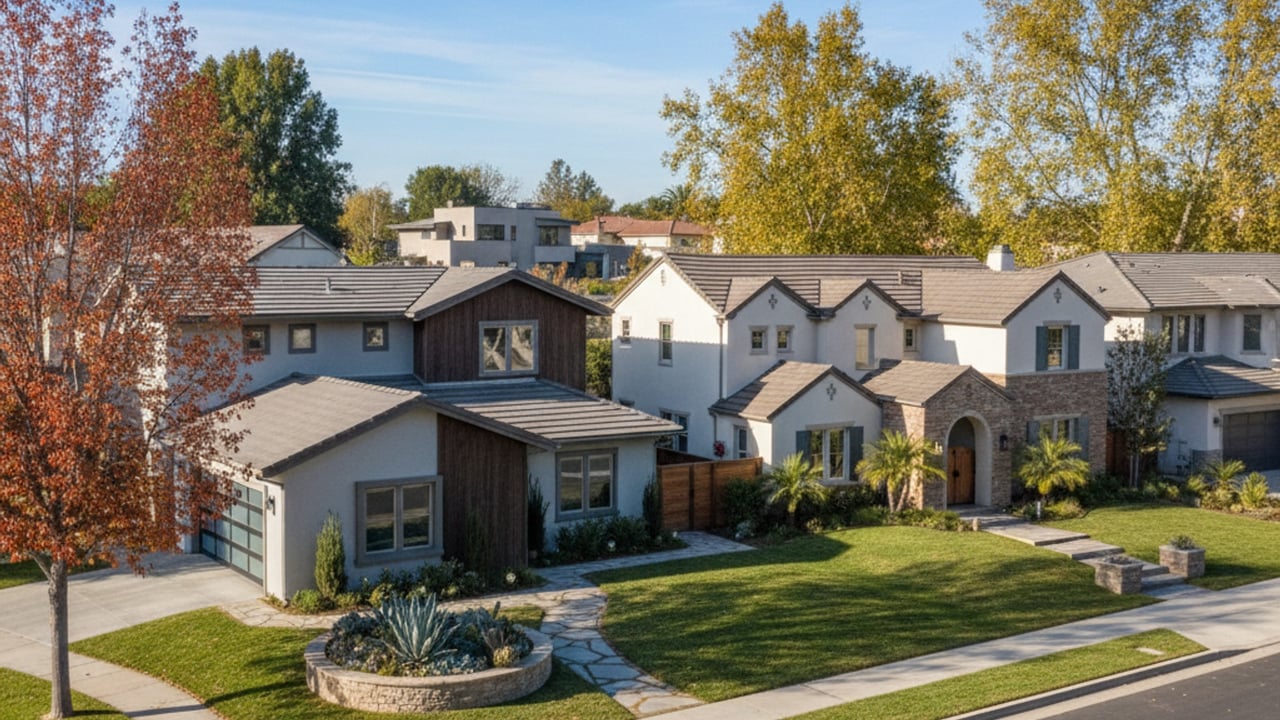
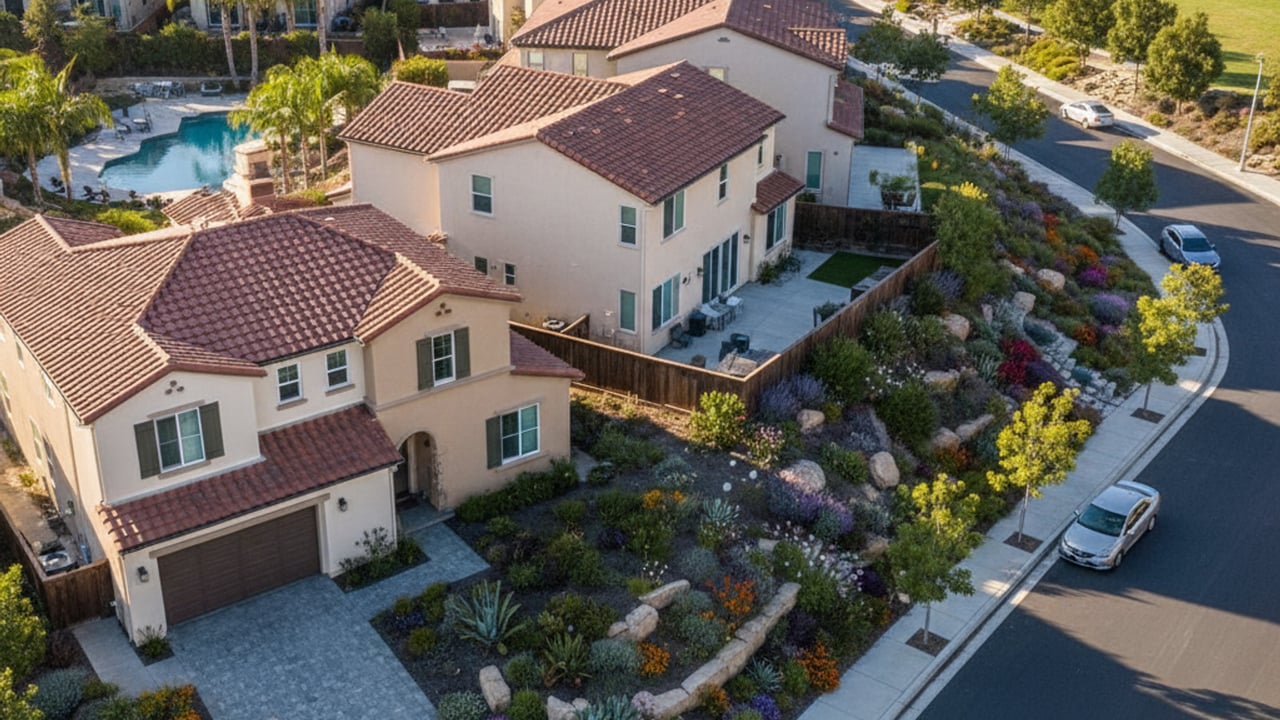
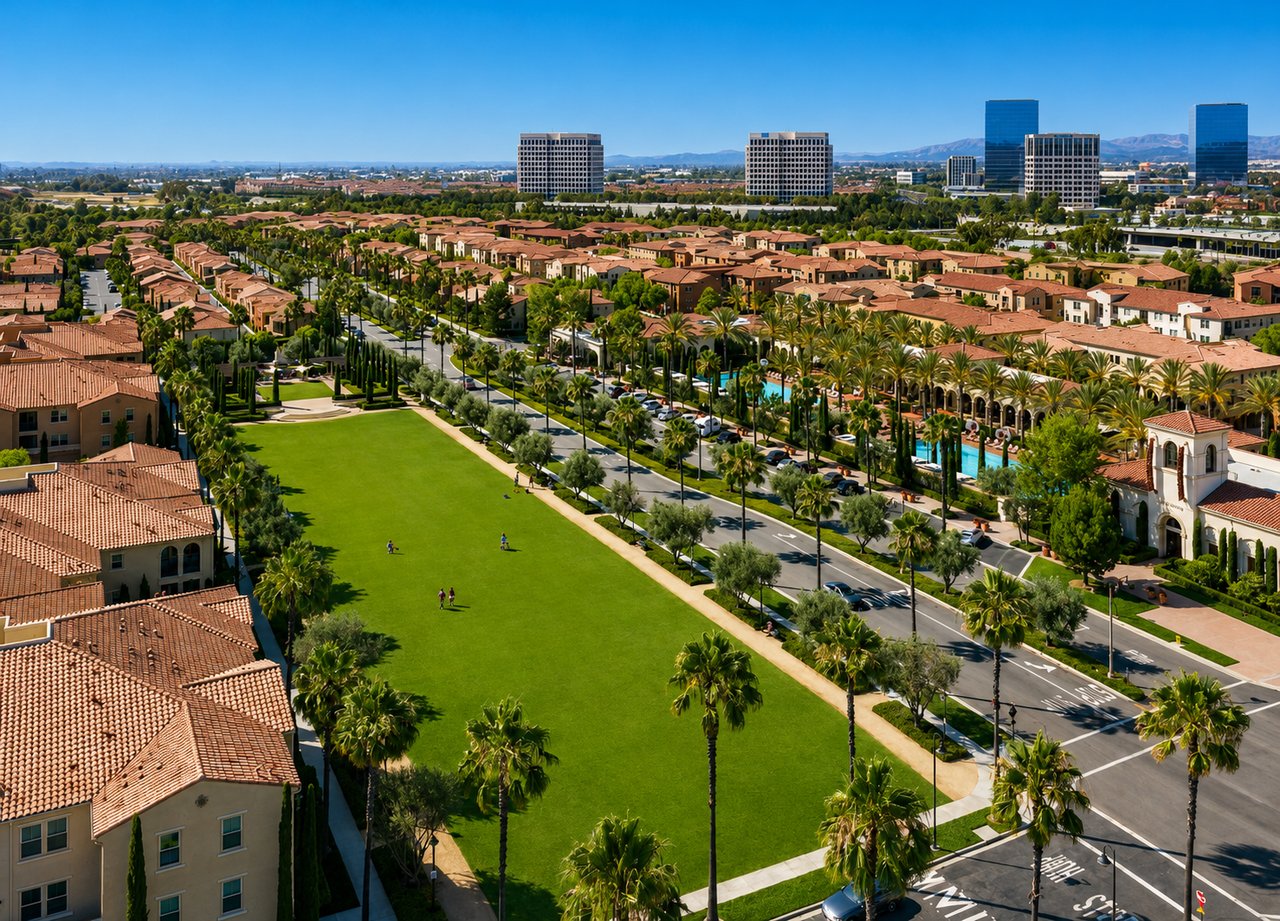
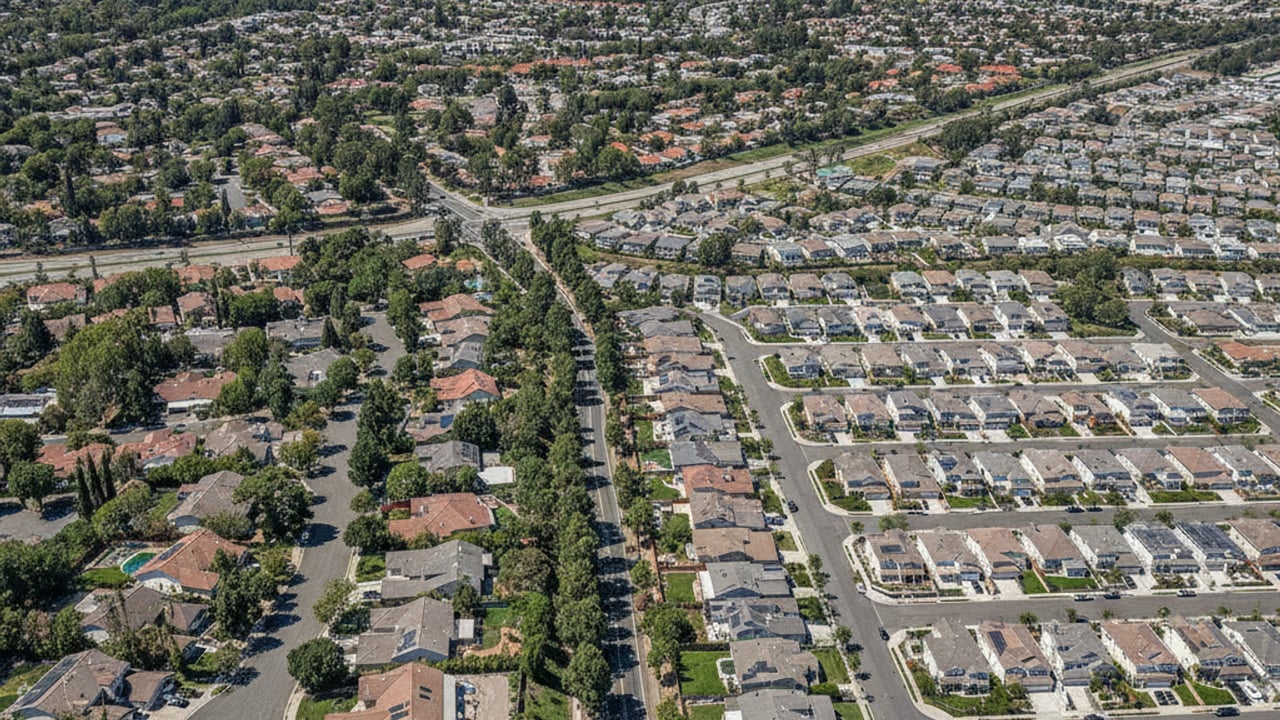
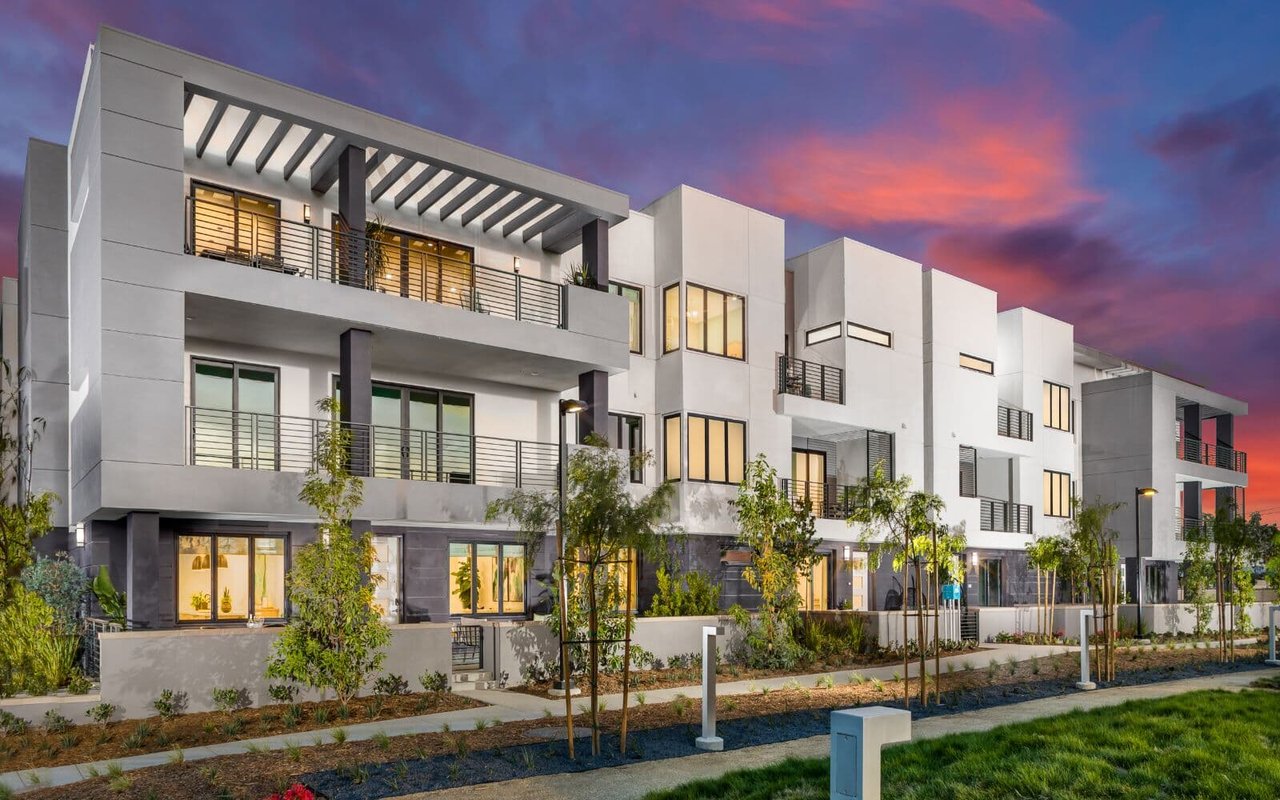
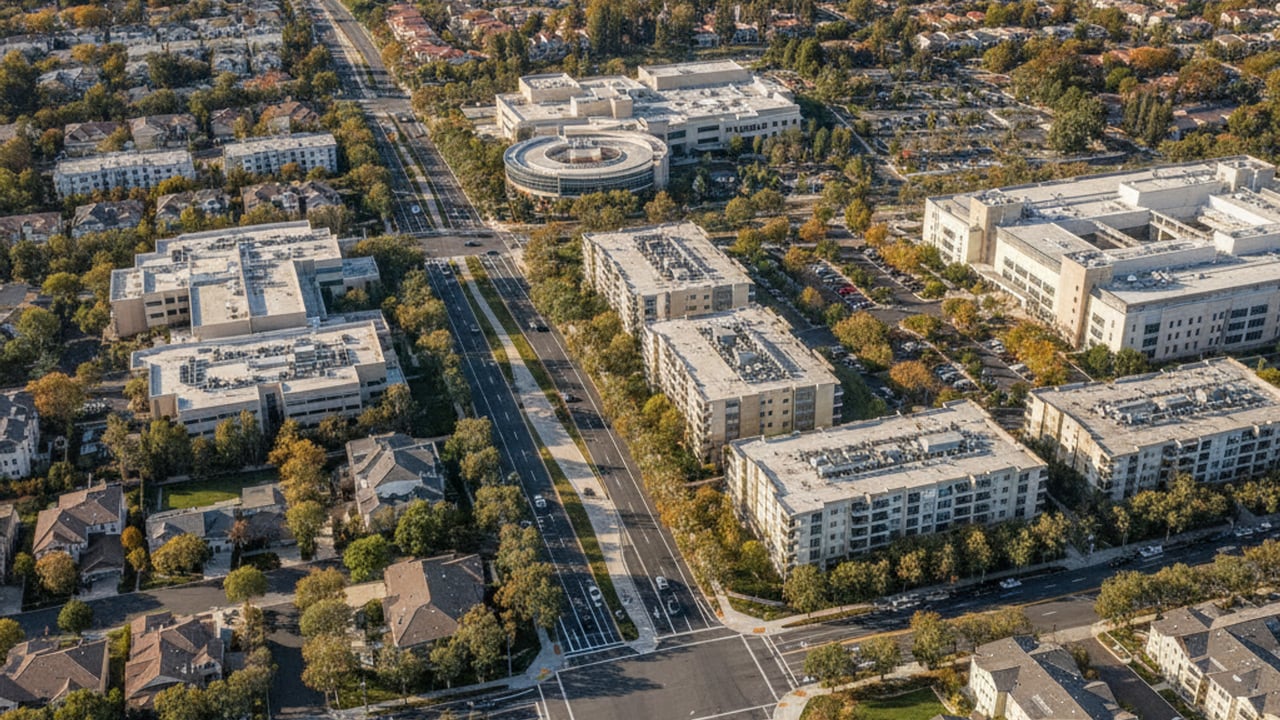
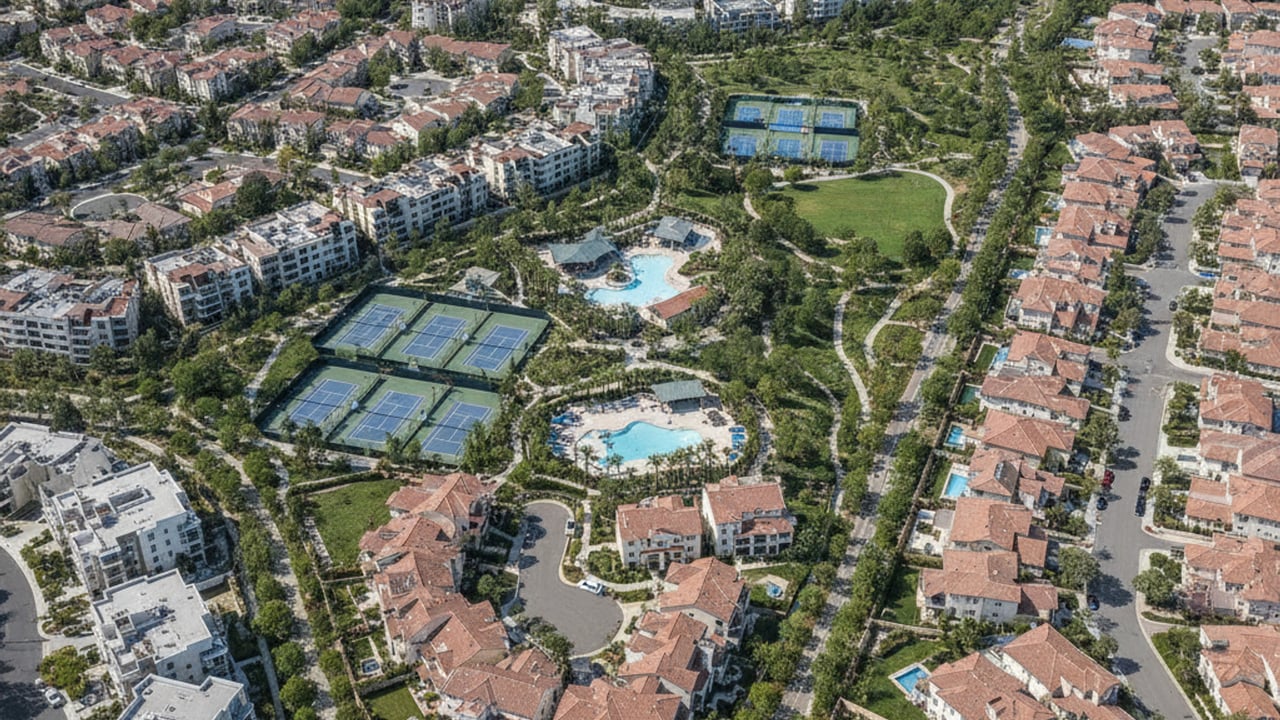
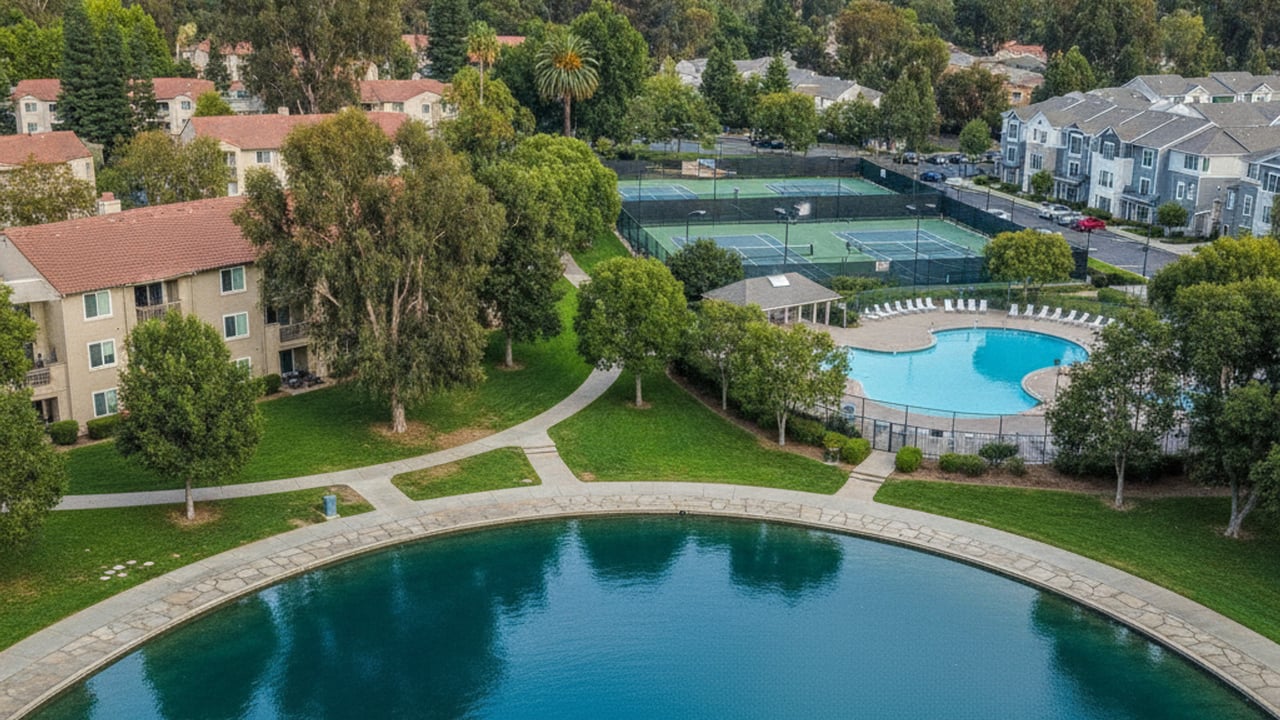
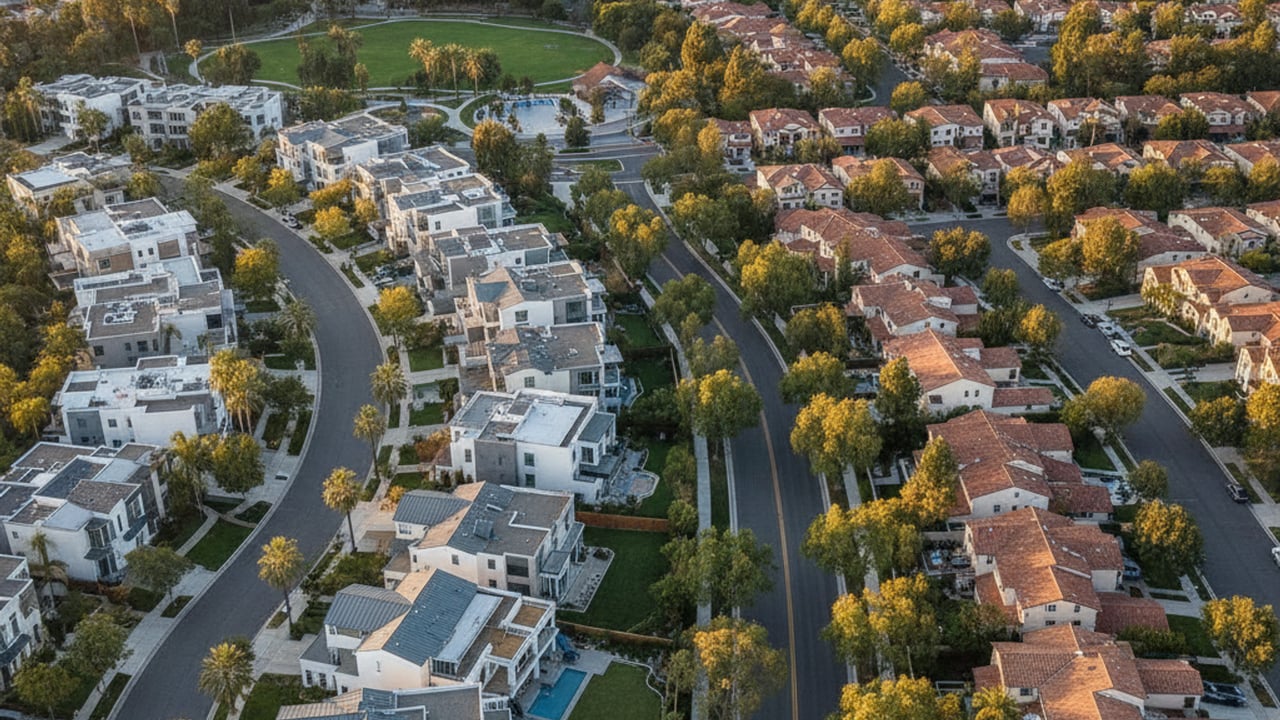
Condos are the most practical way into Irvine for many buyers, whether you are purchasing your first home, downsizing, or looking for a home you can lock and leave.
Buying a condo in Irvine is not the same as buying a house. Homeowners association dues, Mello-Roos taxes and rental rules all shape what you pay each month and what you can do with the home later. This page walks through what matters before you make an offer, and you can reach me directly when you are ready to look at specific complexes.
The most affordable way into a city with top schools, often in the same villages as the houses nearby.
A foothold close to the business district and the university, with less upkeep to worry about.
An entry point in a market with steady demand, once you understand the rental rules.
Empty nesters ready to trade a large yard for less maintenance without leaving Irvine
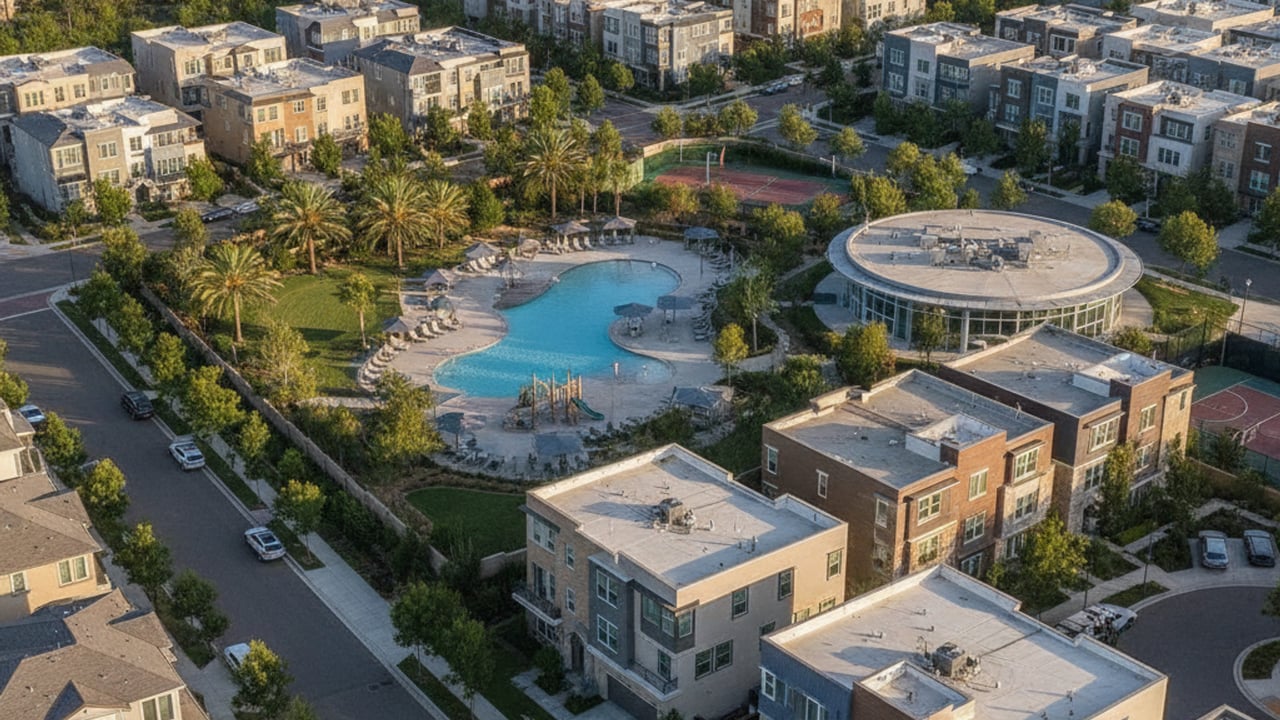
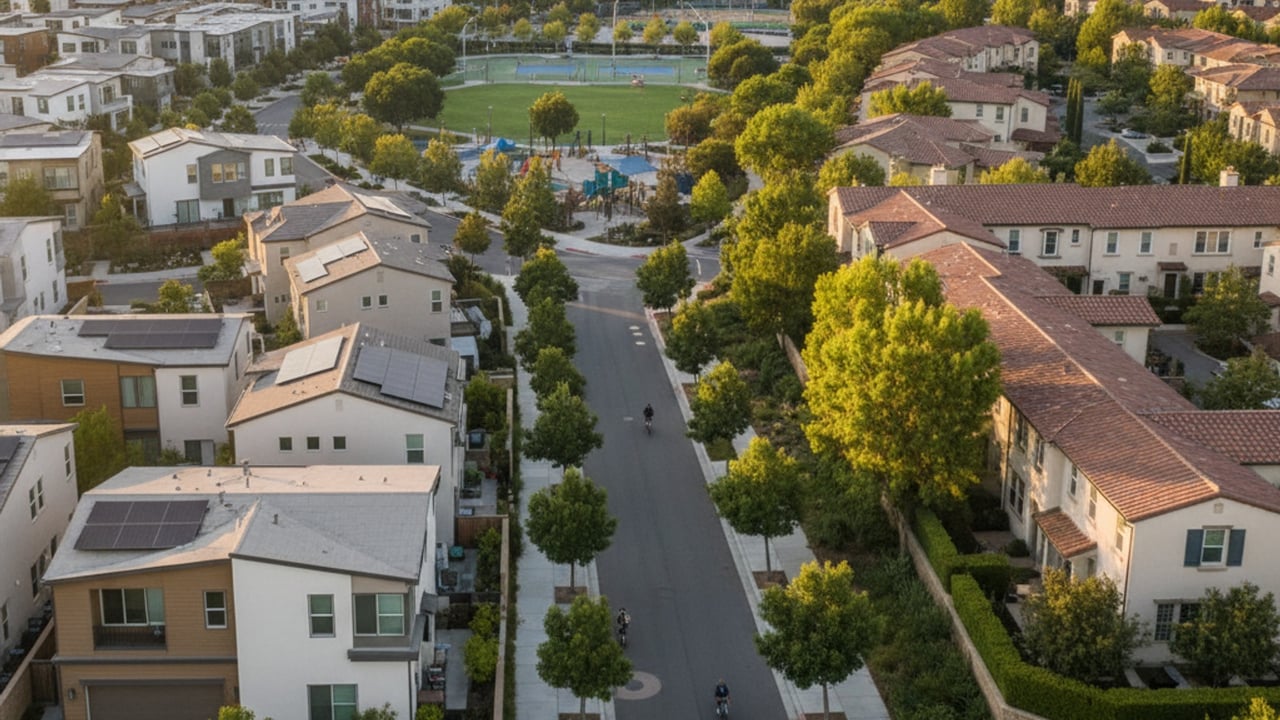
Every condo in Irvine carries a homeowners association fee, and in a master planned city there are often two of them. Most villages have a master or village association that maintains shared landscaping, parks and pools, and many condo communities add a second sub association that covers the building itself, the roof, exterior walls and shared insurance. When you compare two condos, compare both associations together, and ask what each one actually pays for.
Dues vary widely by complex and by what is included, so the monthly figure matters as much as the price. For a village by village view of how these costs compare, see our guide to HOA fees in Irvine.
Many of Irvine's newer villages carry a Mello-Roos assessment, a special tax that helped fund the roads, parks and schools built alongside them. It is charged on top of your regular property tax and it usually runs for a set number of years before it ends. Older, established villages often carry little or none. Because it changes your true monthly cost, always ask for the Mello-Roos amount and its remaining term on any condo you are serious about. The same HOA fees guide breaks these numbers down by village.
If you may rent the condo out later, or you are buying it as an investment, read the association's rules first. Many Irvine communities cap how many units can be rented at one time, set a minimum lease length, or keep a waiting list for owners who want to rent. Some restrict short term rentals entirely. These rules live in the CC&Rs and they can change, so I confirm the current rental policy in writing before you remove contingencies. It is one of the most common surprises for condo buyers here, and it is easy to avoid
Condo loans come with an extra layer of review. Your lender looks not only at you but at the association, its budget, its reserves and how many units are owner occupied. FHA and VA buyers need a project that is on the approved list, and a few complexes with pending litigation or thin reserves can be harder to finance. None of this is a reason to avoid condos. It just means the association's paperwork matters, and I line it up early so financing does not stall the deal.
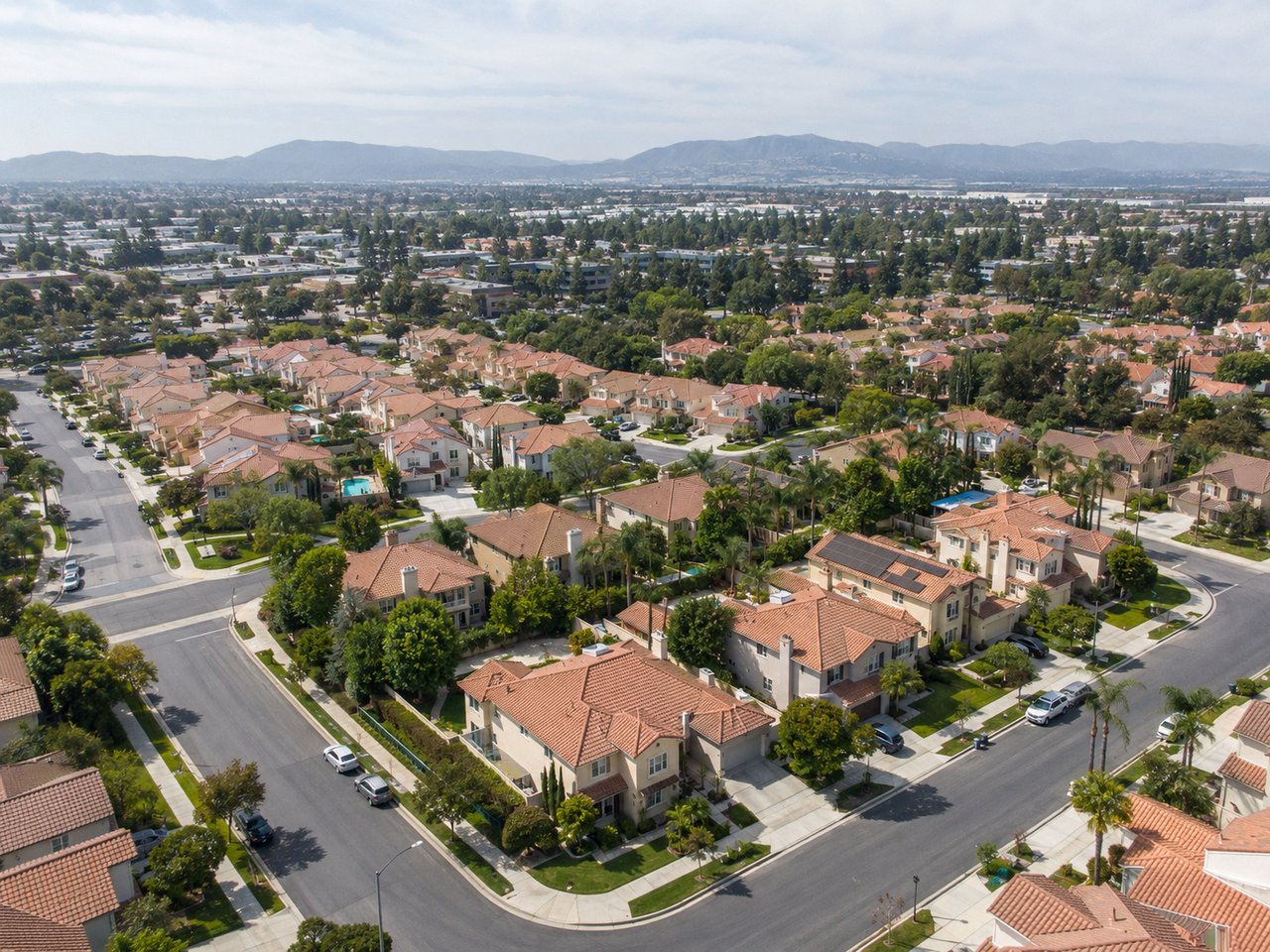
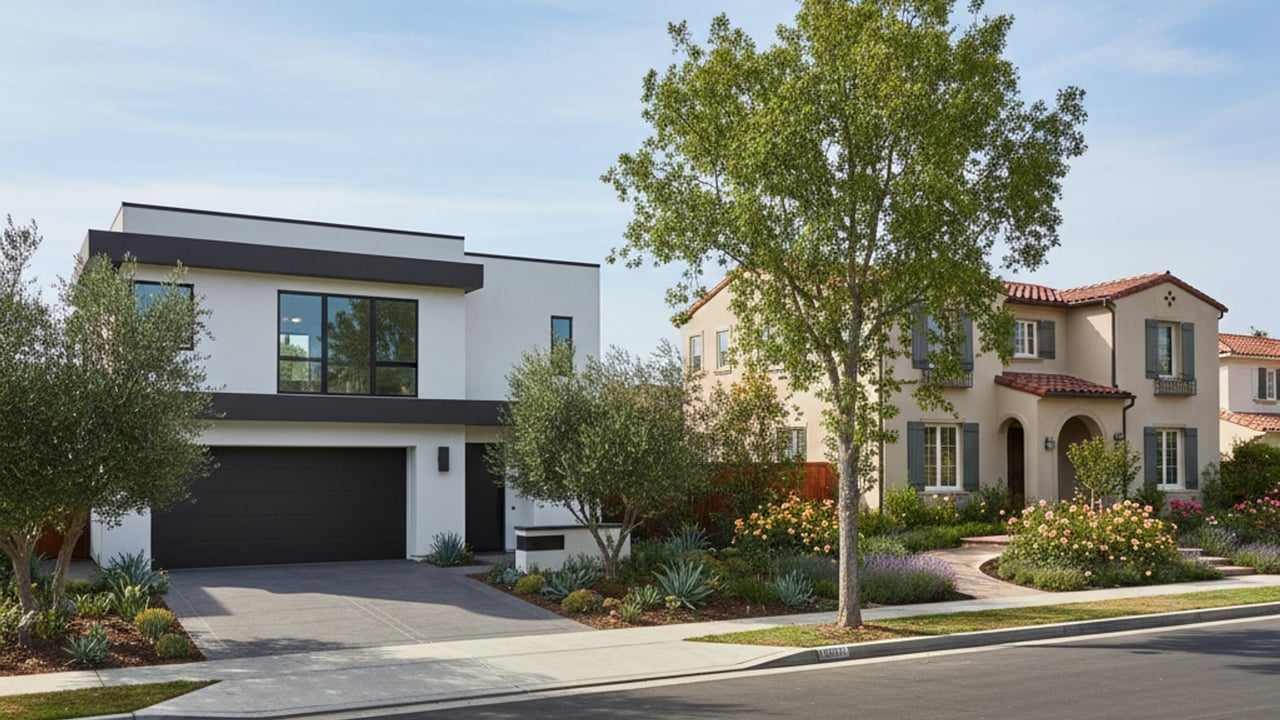
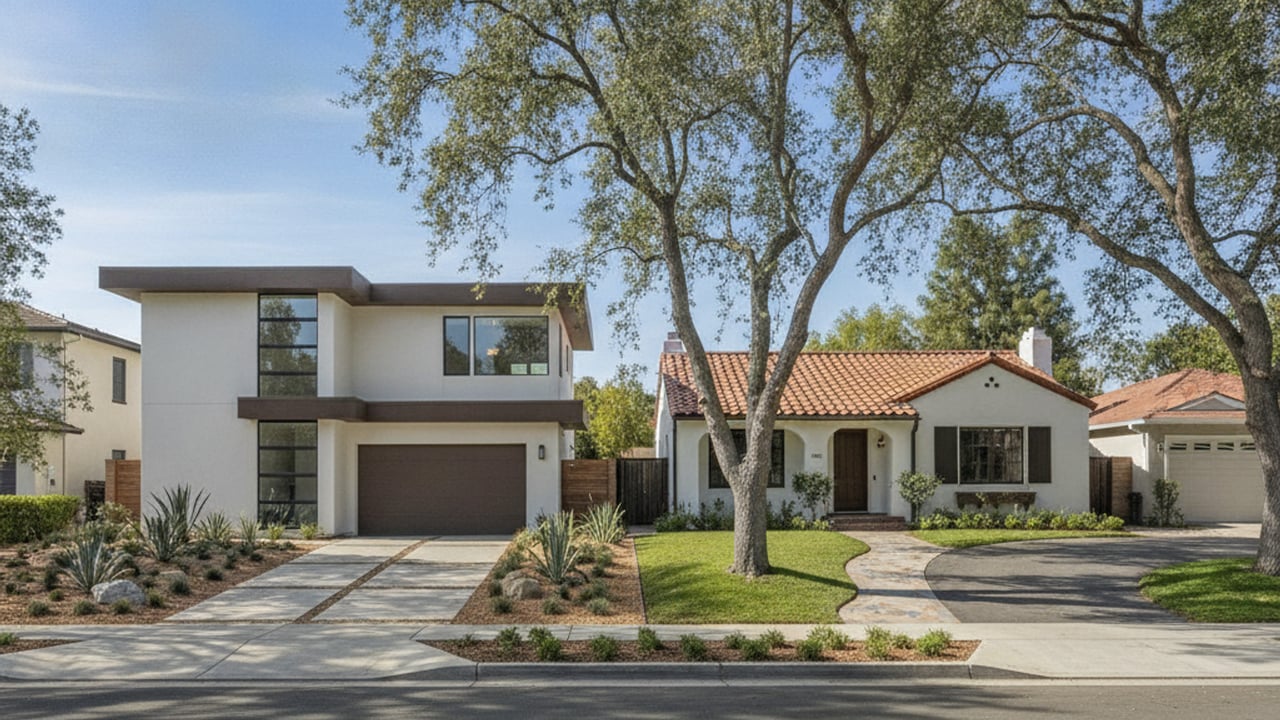
Condo, townhome and single family are three different ownership types, not just three sizes. A townhome usually gives you the walls and sometimes a small yard while sharing some structure, and a single family home stands alone with no shared building. Which one fits depends on your budget, how much maintenance you want to take on and how long you will stay. If you are weighing the choice, start with the buyer's guide, then let us talk through the trade offs for your situation.
career sales
of Irvine agents
n Irvine real estate
English, Mandarin, Cantonese, Taiwanese
I am Regina Chen, a top 1 percent Irvine agent with more than 150 million dollars in career sales and over eight years working these villages. I help buyers read the fine print that decides whether a condo is a good buy, the dues, the taxes, the rental rules and the reserve fund, and I represent you through the offer and the close. I work in English, Mandarin, Cantonese and Taiwanese.
Sell your home faster
Condo prices in Irvine move with the market and the village. As a current benchmark, attached starter homes have recently listed between $400,000 and $2.5 million range. Tell me your budget and I will send what is active now.
Many of the newer villages do, and many established ones do not. It is charged on top of regular property tax for a set term. Always ask for the exact amount and the remaining years before you make an offer.
Sometimes, but not always freely. A lot of associations cap the number of rentals, require a minimum lease, or keep a waitlist, and some bar short term rentals. Check the CC&Rs first, and I confirm the current policy in writing before you commit.
They can be, especially as an entry point in a city with steady demand and strong schools. The return depends on the dues, the taxes, the rental rules and how well the association is run, which is exactly what I help you check.
Usually shared landscaping, common areas and amenities through the village association, plus the building's exterior, roof and shared insurance through the condo's own association. Ask for both budgets so you know what your monthly figure buys.